Oil Price Shocks Historically Signal Stock Market Buying Opportunities
Global Markets React to Sudden Oil Price Surge
A sharp two-day spike in oil prices has once again drawn the attention of investors and economists worldwide. Historically, such dramatic price movements in the energy market have often preceded notable rebounds in equity markets. Over the past four decades, data indicate that sudden oil price shocks have represented significant buying opportunities for stock investors, particularly in the United States.
The recent surge, which saw crude oil rise more than 20% in just 48 hours, echoes previous energy market disruptions that tested investor sentiment but ultimately fueled longer-term rallies. Analysts note that volatility in commodities frequently triggers short-term uncertainty, yet the broader market has shown a consistent ability to absorb and recover from such energy-related shocks.
A Consistent Pattern Over Four Decades
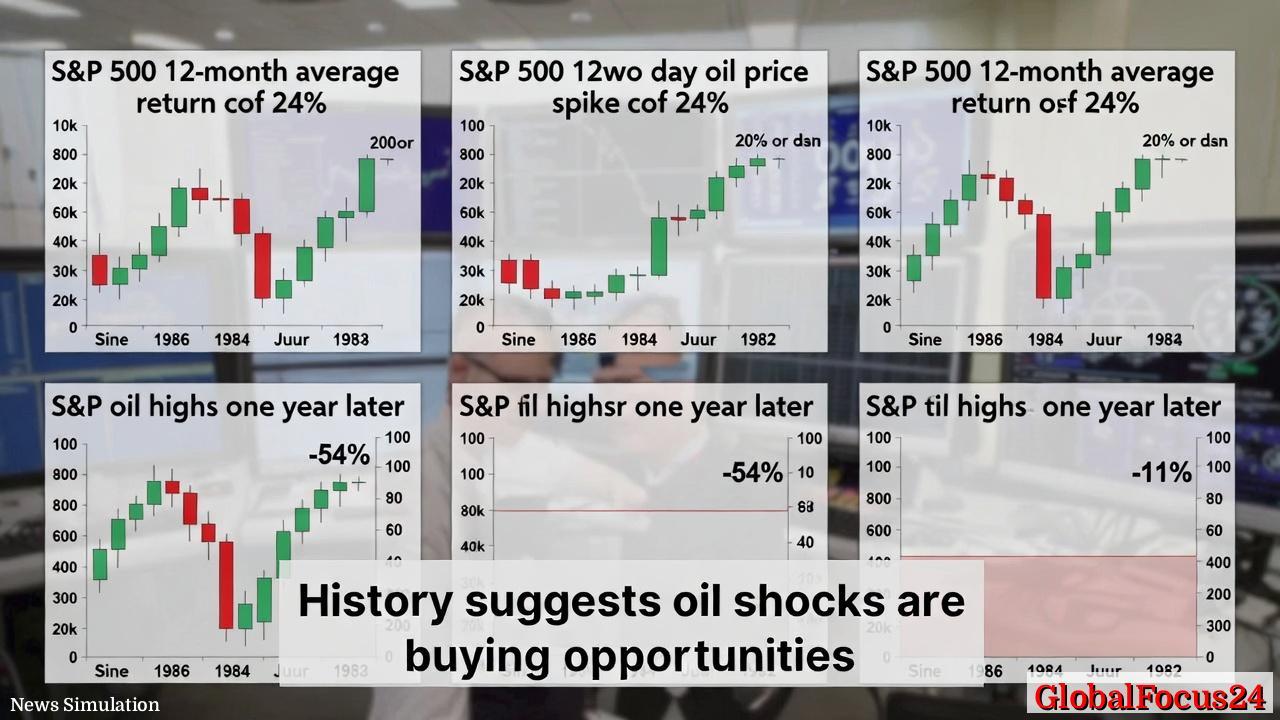
Since 1986, there have been seven distinct occasions when oil prices spiked by 20% or more over two trading days. In six of those instances, the S&P 500 index posted gains over the subsequent 12 months. On average, the benchmark returned roughly 24% across those periods — a remarkable pattern that underscores the resilience of U.S. equities to short-term energy disruptions.
The largest post-shock gain came in 2020. Following a collapse in both equity and energy markets triggered by the outbreak of the COVID-19 pandemic, a swift and aggressive policy response from central banks and governments propelled markets higher. Within twelve months, the S&P 500 had climbed 54%, marking one of the fastest rebounds in modern financial history.
The only exception in the historical dataset occurred in 2008 during the global financial crisis. That period was marked by deep systemic distress in the banking system, leading the S&P 500 to fall by 11% in the year following an oil price spike. Outside that anomaly, the correlation between oil shocks and subsequent stock market gains has held steady.
Why Oil Price Shocks Often Fuel Stock Market Rallies
At first glance, surging oil prices might seem like a clear negative for global growth. Higher fuel and transportation costs can weigh on consumer spending and industrial margins. However, several key mechanisms explain why markets often rebound strongly after such shocks.
First, oil price surges typically occur amid robust economic demand or geopolitical events that temporarily restrict supply. These conditions, while disruptive, rarely persist long enough to derail broader growth. Once markets adjust — either through supply normalization or demand moderation — investor sentiment tends to recover quickly.
Second, energy sector earnings often rise sharply during these periods. Because many major indexes, including the S&P 500, have significant exposure to large oil and gas producers, their improved performance offsets broader economic concerns. As the energy sector’s profits surge, this strength can attract investors back into equities overall.
Lastly, central banks and policymakers frequently respond to oil-driven volatility with accommodative measures to stabilize markets. Lower interest rates, liquidity support, or fiscal stimulus can accelerate asset price recovery, as seen in the aftermath of both the 1991 Gulf War and the 2020 pandemic crash.
The Role of Investor Psychology and Market Positioning
Investor psychology plays a crucial role in turning oil shocks into buying opportunities. When energy prices soar suddenly, risk aversion typically spikes, prompting sharp selloffs not only in energy-linked sectors but across broader markets. This behavior often overshoots fundamentals, setting the stage for rebounds once fear subsides.
Historically, professional money managers and long-term investors have taken advantage of these dislocations. By recognizing that such shocks are more likely to be temporary than systemic, they position portfolios to capture recovery-driven gains. As liquidity returns and confidence rebuilds, valuations normalize, driving broad-based equity rallies.
In modern markets dominated by algorithmic trading and derivatives, these cycles can unfold even faster than in the past. Short-term momentum algorithms amplify moves on both the downside and upside, turning abrupt declines into equally rapid recoveries.
Economic Impact Across Regions
The impact of oil price spikes varies considerably by region. Energy exporters such as Saudi Arabia, Canada, and Norway often benefit from rising oil revenues, which strengthen fiscal balances and national currencies. Conversely, major importers like Japan, India, and many European economies face near-term inflationary pressures as higher energy costs feed through to consumer prices.
In the United States, the mixed nature of its economy — as both a major producer and consumer of oil — tends to moderate the extremes. Surging oil prices boost profitability in the shale and energy infrastructure sectors while weighing on transportation, manufacturing, and consumer discretionary spending. This diversification has contributed to the U.S. equity market’s relative stability during recent oil shocks.
Regional comparisons over the past 20 years reveal that American markets have generally fared better than their European or Asian counterparts following oil price surges. Europe’s heavy reliance on imported energy has made its markets more sensitive to price changes, especially during geopolitical conflicts affecting supply routes. Asian economies, while also major energy importers, have increasingly offset vulnerabilities through strategic reserves and long-term contracts, reducing their exposure to sudden spikes.
Lessons from Past Oil Shocks
Each major oil shock over the past four decades has emerged from a unique set of global circumstances. Understanding these episodes provides insight into why markets tend to rebound.
- 1986: A partial collapse in oil prices earlier in the year was followed by brief rebounds as OPEC adjusted production. Equities faced short-term volatility but stabilized quickly once price equilibrium returned.
- 1990–1991: The Gulf War led to rapid oil price escalation, but once hostilities concluded, crude prices fell sharply, and global stocks rallied through the rest of the decade.
- 2003: The Iraq invasion disrupted supply expectations, but the simultaneous global recovery from the early 2000s tech downturn propelled markets higher.
- 2008: The exception to the rule. Oil prices surged to historic highs preceding the financial crisis, and systemic financial weakness overwhelmed energy-related optimism.
- 2014: Price fluctuations from OPEC’s market-share strategy caused volatility, yet U.S. markets remained resilient, aided by low interest rates and expanding corporate profits.
- 2020: The pandemic’s unprecedented supply and demand collapse caused wild energy price swings, but fiscal and monetary interventions fueled a historic equity rebound.
In nearly every case, once the initial uncertainty passed, the broader market recovered strongly.
Market Outlook and Investment Perspectives
As investors assess the latest oil price surge, many are drawing parallels to past episodes that ultimately favored long-term equity positions. Inflation concerns and growth risks are valid, particularly if energy costs remain elevated for a sustained period. However, historical evidence suggests these shocks more often signal short-term turbulence rather than prolonged downturns.
Energy sector performance remains a key barometer of recovery. Rising capital expenditure in oil exploration and refining, combined with strong balance sheets across major producers, points to renewed momentum in global energy markets. At the same time, diversified equity investors benefit indirectly as profits from energy firms strengthen corporate earnings at large.
Market strategists caution, however, that while buying into dips following oil shocks has been historically rewarding, investors should consider broader macroeconomic conditions. The outlook for interest rates, currency movements, and global demand are crucial factors determining how quickly markets rebound from commodity-driven volatility.
The Historical Betting Odds Remain Favorable
The enduring pattern connecting oil shocks and subsequent equity gains highlights resilience as a defining feature of modern financial markets. Over 40 years of data reveal that while energy price spikes often rattle short-term sentiment, they rarely derail long-term wealth creation.
In six out of seven major oil shock events since 1986, the S&P 500 ended the following year higher — often substantially so. This record suggests that today’s turbulence may once again represent more of an opportunity than a threat for investors willing to look beyond immediate volatility.
As markets digest the latest oil price surge, historical precedent continues to send a clear message: abrupt energy shocks, while jarring, have consistently marked the beginning of new chapters in equity market recovery rather than enduring declines.