s
Italian Authorities Arrest Nine in €7 Million Hamas Fundraising Case, Seizing €8 Million in Assets
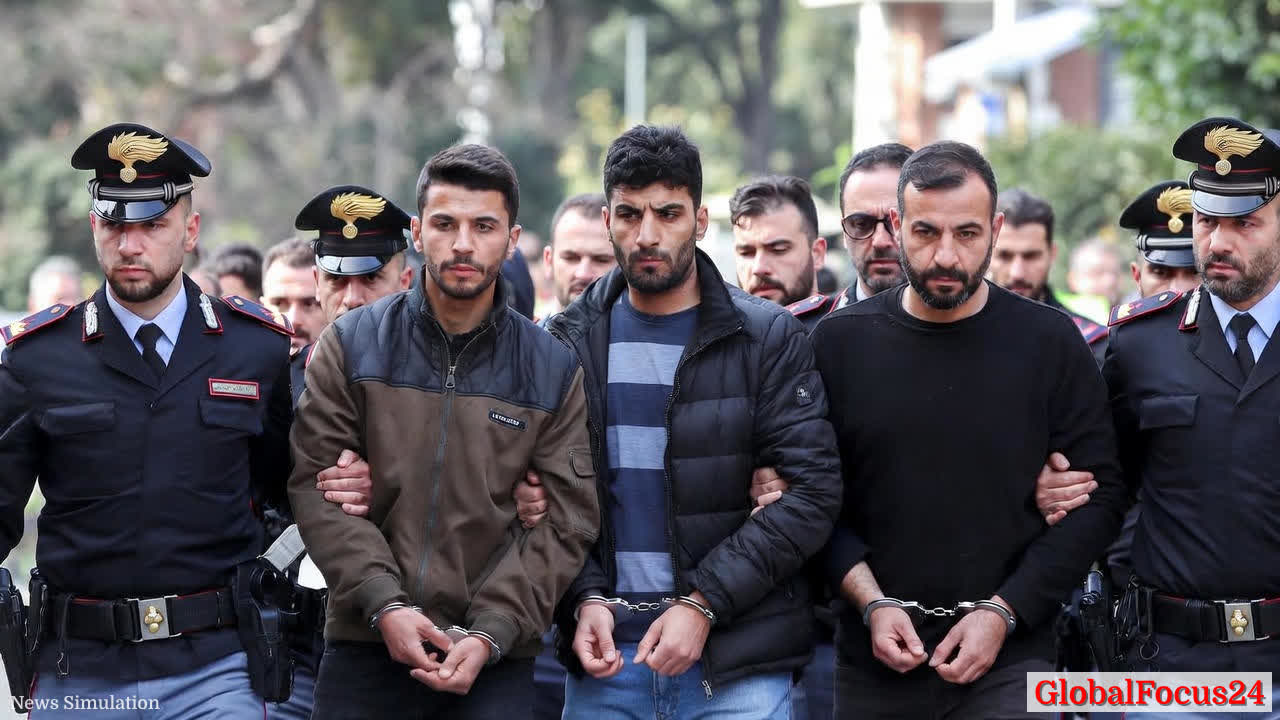
A major counter-terrorism operation in Italy has culminated in the arrests of nine individuals accused of raising roughly €7 million over more than two years under the pretense of humanitarian aid for Palestinian civilians in Gaza. Investigators say a substantial portion of the funds—over 71 percent—was redirected to Hamas’s military wing or used to support families connected to terrorism charges, prompting authorities to seize more than €8 million in assets as part of the ongoing probe.
Historical Context and Prelude to Action
Italy’s experience with terror financing is not new, but the scale and sophistication alleged in this case mark a notable development in the country’s ongoing efforts to curb funding networks that support extremist activities. Italy has long maintained robust financial intelligence capabilities and a legal framework designed to interrupt money flows associated with terrorism. The current investigation builds on years of collaboration among national police, financial investigative units, and international partners to map out complex fundraising structures that can span multiple regions and cross borders.
The operation reflects a broader global trend: charity-driven fundraisers can be repurposed to finance violence and militant operations, a pattern seen in various theaters around the world. Italian authorities note that the network allegedly leveraged legitimate charitable frameworks to provide cover for transfers, complicating early detection and interdiction. The case underscores why financial transparency, enhanced due diligence for charitable organizations, and cross-border information sharing remain central to counter-terrorism strategies.
How the Network Operated and Geographic Reach
According to investigators, the fundraising network was anchored in Genoa, with operational links extending into Milan and potentially other major urban centers. The use of well-known community organizations, religious associations, and cultural groups can create credible front organizations that attract donations from diaspora communities and sympathizers. In this instance, the authorities highlight that the funds were reportedly diverted away from charitable purposes and funneled toward activities associated with Hamas.
Authorities emphasize that the alleged scheme exploited the discrepancy between stated humanitarian aims and actual disbursements. Financial trails suggest a pattern of transfers designed to obscure the final destination of funds, a tactic that has complicated traceability and verification of the use of donations. Law enforcement agencies stress the importance of real-time monitoring and risk-based financial scrutiny for organizations operating in high-risk environments or with opaque governance structures.
Economic Impact and Broader Implications
Beyond the immediate legal ramifications, the alleged fundraising activity has ripple effects on regional and national economies. The seized assets—valued at more than €8 million—represent a significant financial sum that could otherwise have circulated within legitimate sectors, potentially affecting charitable giving dynamics, local economies, and community programs aimed at humanitarian relief. The case also reinforces the importance of robust compliance regimes for non-profit and charitable organizations, including rigorous beneficiary screening, transparent accounting practices, and independent audits to deter misappropriation of funds.
From a regional perspective, the investigation touches major economic hubs, including Genoa and Milan, both of which are critical nodes in Italy’s logistics and business landscape. The case prompts a broader discussion about the role of charitable entities within complex supply chains and the need for ongoing vigilance by banks, payment processors, and regulatory authorities to prevent abuse without constraining legitimate humanitarian aid.
Legal Framework and Charges
The nine individuals face charges related to financing operations that contributed to terrorist activities. Italian prosecutors are pursuing a framework of counter-terrorism finance laws that allow authorities to seize assets linked to suspected fund-raising and to dismantle networks before they can price further violence or disruption. The proceedings likely involve financial forensics, transaction tracing, and collaboration with international partners to map out cross-border flows and identify beneficiaries and intermediaries.
Interior Minister Matteo Piantedosi, commenting on the case, stressed the presumption of innocence while acknowledging the seriousness of the allegations and the public interest in eradicating terrorist financing. The government’s stance reflects a balance between due process and the imperative to protect security and social cohesion.
Notable Individuals and Institutional Roles
Among those arrested is Mohammad Hannoun, identified as the president of the Palestinian Association in Italy. His involvement highlights the risk that recognized community leaders or organizational chairs can be drawn into complex fundraising schemes, whether by intent or coercion. Investigators will assess communications, organizational governance documents, and financial records to determine the extent of any complicity or awareness of how funds were allocated. The case therefore also raises questions about governance practices within community groups and the safeguards needed to prevent abuse of charitable platforms.
Public Reaction and Security Discourse
Public reaction to the arrests has been mixed, reflecting a broader tension between safeguarding civil liberties and maintaining security. Community members and humanitarian actors stress the importance of distinguishing between lawful charitable activity and illicit fundraising. Authorities have asked for continued cooperation from communities to report suspicious activity while emphasizing that the investigation is ongoing and that individuals are presumed innocent until proven guilty.
Regional observers note that the case could influence donor confidence, particularly within diaspora communities that regularly engage in cross-border humanitarian fundraising. To mitigate potential chill effects on legitimate aid efforts, experts suggest transparent reporting, third-party audits, and clear beneficiary disclosures as part of best practices for charitable organizations operating in high-risk environments.
Comparisons with International Trends
Italy’s counter-terrorism financing case aligns with a broader international pattern where illicit funds are masked as humanitarian aid or development support. Similar investigations in other European states, North America, and the Middle East have illustrated the fragility of oversight mechanisms in the face of sophisticated concealment strategies. Lessons drawn from these cases emphasize the need for:
- Enhanced due diligence for charities and intermediaries handling large sums
- Real-time transaction monitoring and red-flag indicators for rapid interdiction
- Stronger cooperation between financial intelligence units (FIUs) and law enforcement across borders
- Cultural and linguistic competence in investigators to navigate diaspora networks while preserving civil liberties
The outcome of this case could influence policy discussions on how to balance humanitarian access with rigorous financing controls, particularly in regions experiencing high volatility and conflict.
Operational and Investigative Trajectories
Authorities indicate that the investigation is ongoing, with further inquiries into the network’s leadership, funding channels, and specific beneficiaries. Forensic examination of bank records, wire transfers, and exchange house activity will continue to play a central role. Investigators may also pursue asset preservation measures to ensure that frozen or seized funds remain unavailable to any party suspected of involvement in terrorism.
As the legal process unfolds, regional police departments and financial authorities are expected to publish periodic updates that clarify the scope of the network, identify additional accomplices if any, and outline steps to prevent similar schemes in the future. International partners may contribute intelligence and support, given the transnational nature of modern fundraising operations and the potential implications for regional security dynamics.
Security and Community Resilience
The case underscores the importance of community resilience and vigilance in safeguarding charitable activities. Community organizations can contribute to resilience by adopting robust governance structures, transparent accounting practices, and regular external audits. Education and outreach initiatives can help community members recognize red flags, such as mismatches between stated charitable goals and fund utilization, or pressure to contribute to urgent causes without verifiable oversight.
Public authorities, meanwhile, reiterate their commitment to protecting civil liberties while ensuring security. Transparent communication about investigative progress, without compromising sensitive operational details, can foster trust and collaboration between law enforcement, communities, and donors.
Conclusion
The nine arrests in Italy mark a consequential moment in the ongoing effort to cut off terrorist finance networks while safeguarding legitimate humanitarian aid. The seizure of assets and the charges filed against the individuals involved illustrate the dual challenge of preventing misuse of charitable channels and ensuring due process for those accused. As investigators pursue a deeper understanding of the network's structure and the flow of funds, policymakers and practitioners alike will watch closely for lessons that can strengthen safeguards, improve cross-border cooperation, and sustain the essential work of humanitarian assistance without enabling misuse.
End of article