)
Nigeria’s Oil Resurgence: A New Chapter for Africa’s Largest Crude Producer
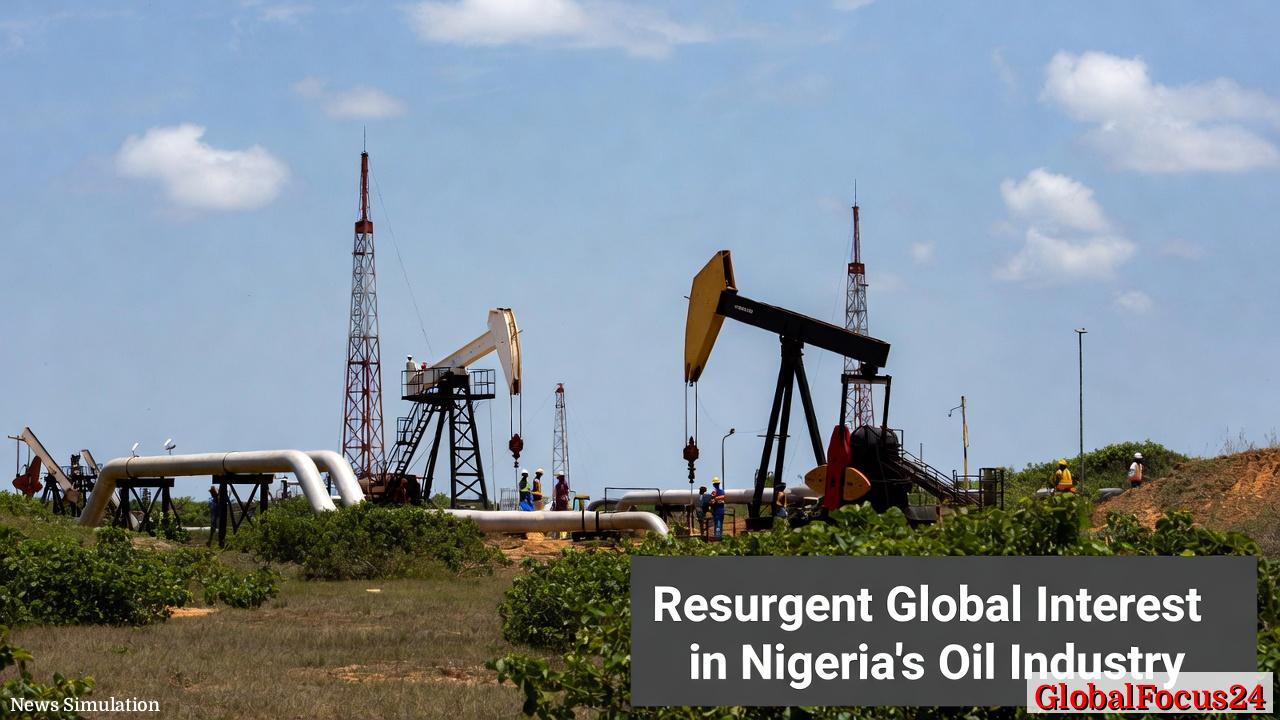
Nigeria, Africa’s largest oil producer, is experiencing a renewed wave of interest in its oil industry after a years-long slump that pushed production to a two-decade low in 2022. The resurgence comes amid a global shift in energy markets, new investment commitments, and a cautious optimism about the country’s ability to stabilize output, boost revenues, and attract long-term capital. This article situates the current momentum in historical context, evaluates its potential economic impact, and compares Nigeria’s trajectory with regional peers to provide a clear sense of where the industry stands and where it might go next.
Historical context: a long arc from boom to bust and back Nigeria’s relationship with oil has always been transformative and, at times, fragile. Discovery in the late 1950s opened the door to rapid development, and by the 1970s oil export revenue became a dominant pillar of national income. The subsequent decades brought cycles shaped by global price volatility, governance challenges, and infrastructural constraints. The two-decade low in 2022 did not occur in a vacuum; it reflected a confluence of aging fields, security concerns in key producing regions, and disruptions in supply chains that all contributed to production declines. The recent uptick signals a potential rebalancing, but it is essential to distinguish between short-term gains and a durable recovery. The historical arc shows that sustained production growth in the Nigerian context requires not only favorable prices but also resolute improvements in investment climate, refinery capacity, and reconciliation between fiscal policies and oil-sector needs. This nuanced backdrop helps explain why today’s renewed interest is viewed with both caution and guarded optimism by industry observers and government planners alike.
Economic impact: balancing revenue, investment, and development Oil remains a critical source of foreign exchange earnings and government revenue for Nigeria, but the structure of dependency has evolved. A recovery in crude output can have meaningful macroeconomic spillovers, including:
- Revenue stabilization: Higher production supports government budgets by widening the tax base and increasing royalty inflows, which can fund social programs and infrastructure projects if managed transparently.
- Investment signals: A renewed interest from foreign and domestic investors can spur capital expenditure on upstream projects, midstream networks, and downstream facilities, potentially enhancing efficiency and reducing bottlenecks in logistics.
- Local capacity and employment: An expansion of production tends to create indirect jobs in services, maintenance, and logistics, as well as opportunities for local content development in line with Nigerian policy objectives.
- Refining and value addition: The trajectory of domestic refining capacity remains a critical hinge. Progress on refining can reduce import dependence, improve trade balances, and support price stability for consumers, though it requires careful project management and credible cost controls.
- Exchange rate and inflation dynamics: A stronger oil revenue outlook can influence macroeconomic variables such as the naira’s exchange rate and inflation, particularly if energy subsidies or subsidies reforms are part of the policy mix.
Regional comparisons: Nigeria in West Africa’s oil landscape Nigeria does not operate in isolation, and its revival sits within a broader regional context where neighboring producers are pursuing parallel goals — stabilizing output, expanding refinery infrastructure, and diversifying economies away from a sole reliance on oil. A comparative frame highlights both shared challenges and distinctive paths:
- Angola and Ghana: These countries have pursued different models of oil governance and fiscal management. Angola’s heavy reliance on oil has prompted diversification efforts, while Ghana seeks to optimize offshore reserves and improve fiscal transparency. Nigeria’s challenge is to consolidate gains in governance and efficiency to avoid the pitfalls seen in other regional cases where revenue volatility can undermine development programs.
- Regional logistics: West Africa’s oil industry is closely tied to infrastructure for export terminals, pipelines, and storage facilities. Improvements in port access, pipeline integrity, and emergency response capabilities can collectively bolster Nigeria’s competitiveness by shortening lead times and reducing operational risk.
- Market access and pricing: Oil markets are global, but regional buyers and refiners often weigh risk, reliability, and price certainty. Nigeria’s ability to offer consistent supply alongside competitive terms will shape its standing in regional crude markets and could affect bilateral energy cooperation with neighboring countries.
Operational dynamics: producers, policy, and performance A renewed interest in Nigeria’s oil industry comes with several operational realities that determine how lasting the rebound might be:
- Field aging and development: Many Nigerian fields are mature, requiring enhanced oil recovery techniques and investment in new development to sustain flow rates. The pace of technological adoption and capital allocation will influence long-term output trajectories.
- Security and governance: Stability in oil-producing regions supports uninterrupted production. Improvements in security for personnel and infrastructure, coupled with transparent governance, can attract risk-aware investors who seek predictable project timelines.
- Public-private collaboration: A healthier investment climate depends on a transparent framework for licensing, revenue sharing, and contract sanctity. Clear rules and credible dispute resolution mechanisms increase confidence among international partners and help align expectations across stakeholders.
- Local content and capacity: Policies that prioritize local participation can expand domestic capabilities in engineering, fabrication, and services. When designed appropriately, these measures can widen the economic benefits of oil-sector activity beyond simple production metrics.
Impact on energy security and consumer markets Nigeria’s oil performance has direct consequences for domestic energy security and consumer markets. A resilient output supports a steadier supply of crude for refining, which can help stabilize local fuel prices and reduce volatility in related consumer costs. As refining capacity comes back online or expands, it could ease imports in the medium term, contributing to a more balanced energy portfolio. However, achieving this requires a synchronized approach across policy, investment, and logistics to ensure that gains in production translate into tangible benefits for households and businesses.
Public reaction and societal dimensions The prospect of a renewed oil boom evokes cautious optimism in many Nigerian communities. Local stakeholders weigh potential benefits such as job creation and revenue for public services against concerns about environmental stewardship, revenue management, and the distribution of gains. Community engagement, environmental safeguards, and transparent revenue-sharing arrangements will shape public perception and the sustainability of any revival. As the industry gains momentum, the public discourse increasingly emphasizes the need for accountability and sustainable development alongside economic growth.
Policy implications: steering toward sustainable growth To sustain a positive trajectory, policymakers face a suite of strategic choices:
- Fiscal reform and revenue transparency: Establishing robust budgeting practices and transparent reporting can help ensure that oil revenues translate into broad-based development outcomes rather than fiscal fluctuations.
- Investment climate improvements: Streamlining licensing, reducing bureaucratic hurdles, and delivering predictable regulatory frameworks encourage both foreign and domestic investment in exploration, production, and midstream infrastructure.
- Infrastructure modernization: Priorities include upstream facilities, pipelines, refinery capacity, and storage networks. Efficient logistics reduce bottlenecks, lower costs, and enhance Nigeria’s market competitiveness.
- Environmental and social governance: Implementing strong environmental safeguards and community engagement programs helps align oil development with sustainable development goals and enhances social license to operate.
- Energy diversification: While oil remains central, parallel investments in gas, renewables, and energy efficiency can reduce single-asset risk and position Nigeria as a more resilient energy hub in West Africa.
What this means for the global energy mix Nigeria’s potential revival contributes to the broader dynamics of the global oil market. A steadier production profile from Africa’s largest producer can influence regional supply balances, affect price expectations, and shape strategic planning for refiners and trading houses that rely on stable throughput from key corridors. In a world navigating energy transition pressures, Nigeria’s ability to monetize reserves responsibly while supporting domestic development will be of interest to policymakers, industry players, and financial markets seeking diversified, stable supply sources.
Conclusion: a pivotal moment with careful navigation ahead The renewed interest in Nigeria’s oil industry marks a critical moment in the country’s economic evolution. The degree to which this momentum translates into durable growth depends on a sustained combination of technical investment, governance reform, infrastructure upgrades, and inclusive policy design that links production gains to broad-based development. Nigeria’s oil story, historically shaped by price cycles and policy choices, now potentially moves toward greater resilience if the current momentum is matched by credible execution, strategic partnerships, and a steadfast commitment to transparent management of resources. As West Africa’s energy landscape evolves, Nigeria’s path could serve as a benchmark for how large-scale resource economies navigate the challenges of volatility, modernization, and inclusive growth in the 2020s and beyond.