Natural Gas Prices Surge 70% in Five Days Amid Impending Arctic Storm
A dramatic surge in natural gas prices over the past five days has captured the attention of energy markets and households alike. The Henry Hub benchmark closed at 5.34 USD per million British thermal units on January 23, signaling a gain of roughly 69% over the five-day period. The move reflects a confluence of robust near-term demand expectations, tightening supply signals, and weather-driven volatility that has become a defining feature of the winter energy market.
Historical context and market dynamics
Natural gas has long served as a weather-sensitive fuel, with prices oscillating in response to temperature swings, seasonal demand patterns, and evolving production cycles. The current spike comes amid forecasts of an intensifying winter across large swaths of the United States, including a polarized weather system described by forecasters as a polar vortex and arctic blast. Such conditions typically drive household and commercial heating demand higher, while also stressing energy infrastructure that must operate under extreme cold. Historically, similar weather-driven episodes have created near-term price squeezes, particularly when supply and demand expectations align with periods of market thinness.
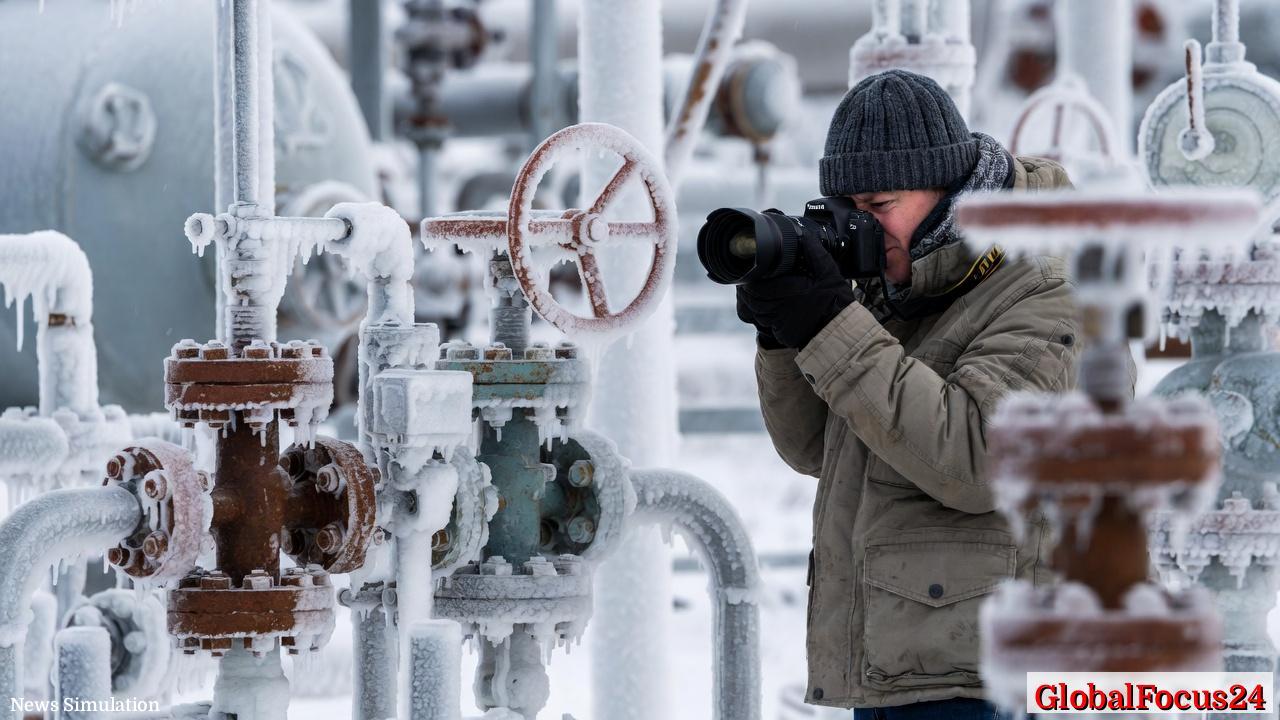
The Permian Basin, a cornerstone of domestic natural gas production, has emerged in the narrative as a potential point of disruption. Freeze-offs—the temporary shutdowns of gas wells or associated infrastructure due to freezing temperatures—can reduce output in tight markets. While the magnitude of predicted reductions varies by producers and regions, even a modest decline in a high-demand period can amplify price volatility when opposite forces collide: upward pressure from demand and limited incremental supply.
Beyond regional supply considerations, the market has faced the psychology of positioning. Traders holding concentrated, short-term bets in a relatively thin market can accelerate moves through rapid buy-side chasing, contributing to squeezes. In contemporary energy markets, liquidity conditions and cross-asset linkages—such as storage economics, pipeline nominations, and global gas price benchmarks—can magnify prices in the short run even as longer-term fundamentals stabilize.
Regional comparisons illuminate the evolving landscape
The United States remains a mosaic of regional natural gas markets, each with distinct demand drivers and supply constraints. In the Northeast, where winter heating needs are intense and infrastructure constraints can accumulate, price spikes frequently translate into noticeable retail implications. The Midwest and parts of the Southeast often experience parallel dynamics, though local weather patterns and storage levels modulate the exact price trajectory. The Western regions, with their own gas balance and electricity market interactions, can see price behavior diverge from the national benchmark during extreme cold events.
Internationally, global gas markets provide a context for how domestic price movements reverberate beyond national borders. LNG imports and global pipeline flows influence pricing dynamics, particularly when domestic demand surges are matched with limited export capacity or when storage injections abroad alter the price calculus. While natural gas prices in the United States are largely governed by Henry Hub benchmarks for futures contracts, the interconnection with international markets helps set expectations for both producers and consumers and can shape hedging strategies for utilities and industrial users.
Economic impact and consumer considerations
The near-term economic implications of a sharp price uplift are multifaceted. Utilities facing higher wholesale gas costs frequently pass a portion of those costs to consumers, especially in regions where heating is a major monthly expense. Higher energy bills can translate into broader consumer sentiment shifts, influencing discretionary spending and household budgeting during the peak of winter.
Power generation economics also respond to elevated gas prices. Gas-fired plants, valued for their flexibility, may see higher marginal costs, impacting electricity prices if gas-fired generation supplies a larger share of power supply during cold spells. However, the energy market has learned to lean on diversified generation portfolios and the role of weather-driven demand signals in shaping peak-load pricing. In some cases, higher natural gas prices can prompt a pivot toward alternative fuels or strategic energy efficiency measures as utilities reassess short-term generation mixes.
Producers and investors watch for longer-term implications as well. If the Arctic weather pattern persists or recurs in multiple cold snaps, sustained pressure on gas markets could influence investment decisions in exploration, drilling activity, and midstream infrastructure. Conversely, if supply resilience improves—through enhanced wellhead reliability, pipeline capacity, or new LNG export capacity—the market could stabilize more quickly than feared. In any scenario, price volatility remains an intrinsic feature of the natural gas market, particularly in winter months when demand for space heating is at its seasonal peak.
Weather risk, storage, and market expectations
Weather forecasting continues to be a critical driver of market expectations. A serious cold spell elevates the probability of gas injections from storage facilities during periods when the market would otherwise rely on prompt purchases. Storage levels, typically measured as working gas in storage (WGS) and total gas in storage, provide a buffer against temporary supply disruptions and price spikes. If storage withdrawals align with cold-weather demand, prices may retreat after the peak of the cold front; if, instead, weather surprises extend or storage levels are constrained, prices can stay elevated longer.
In parallel, market participants monitor the balance between spot prices, futures curves, and seasonal contango or backwardation. A steep upward move in front-month contracts can influence hedging strategies for businesses with fuel-intensive processes, including manufacturing, ceramics, and chemicals that rely on natural gas as a feedstock or energy source. For households and small businesses, price pass-through to bills remains the most visible consequence, underscoring the social and economic importance of reliable, timely energy supply during extreme weather.
Regional policy context and infrastructure considerations
Policy discussions around natural gas often center on resilience, reliability, and affordability. Regions with aging pipelines or limited pipeline capacity may face heightened risk during demand surges, prompting investments in weatherization, insulation programs, and demand-response initiatives. Utilities and regulators weigh trade-offs between maintaining affordable energy and ensuring grid reliability, especially as energy demand patterns evolve with population growth and economic activity.
Infrastructure investments, including pipeline capacity expansions, LNG import and export facilities, and processing capacity, play a crucial role in shaping price dynamics. While LNG markets add a global dimension to domestic energy security, they also introduce price linkage to international demand and supply shocks. Strategic reserves and storage optimization continue to be essential tools in managing risk and smoothing price volatility in the face of severe winter weather.
Public reaction and consumer outlook
Public response to energy price volatility is often shaped by the immediacy of cold-weather hardship. In regions expecting heavy snowfall and sub-zero temperatures, households prepare by stocking up on heating fuel, insulating properties, and adjusting thermostat settings. Local media coverage and utility communications influence how communities anticipate and cope with price fluctuations. Public sentiment typically centers on the balance between reliability, affordability, and the proactive steps utilities take to cushion customers from sharp market movements.
Looking ahead, analysts assess the trajectory of natural gas prices through a combination of weather forecasts, storage dynamics, and supply-side developments. A confluence of favorable factors—such as milder weather, restored production after freeze-offs, or enhanced storage injections—could ease price pressure in subsequent weeks. Conversely, prolonged cold spells, supply constraints, or unexpected disruptions could extend the volatility as markets digest evolving information.
Outlook and regional benchmarks
While similar weather-driven episodes have occurred in past winters, each cycle leaves a distinct imprint on market structure and pricing expectations. The near-term outlook emphasizes a continued sensitivity to arctic conditions and regional demand signals. Balanced against this, supply-side resilience and ongoing infrastructure projects offer a path toward stabilization, though the timeline is contingent on weather, production performance, and regulatory or logistical developments.
In a broader regional comparison, U.S. markets show a pattern of regional price divergence during peak cold events, with some areas experiencing sharper spikes due to balancing-area constraints and upstream production bottlenecks. As the winter progresses, traders closely monitor storage withdrawals, pipeline nominations, and cross-border gas flows to gauge the risk of renewed volatility. The interaction between domestic demand, international LNG markets, and global energy prices remains a defining feature of the current cycle.
Bottom line for stakeholders
For consumers, the immediate takeaway is the potential for higher winter heating costs as wholesale natural gas prices exhibit elevated volatility. Retail energy bills can reflect this volatility, particularly in regions with price-sensitive rate structures. For producers and traders, the focus remains on weather forecasting accuracy, storage management, and adaptive hedging strategies to navigate expected demand surges and supply constraints. Regulators and policymakers are likely to continue emphasizing reliability and affordability, ensuring that infrastructure and market mechanisms help absorb shocks without compromising consumer access to essential energy.
In sum, the five-day surge in natural gas prices underscores the enduring link between weather, energy supply, and economic activity. As households brace for cold conditions and markets digest evolving information, the balance between supply resilience and demand resilience will continue to shape the trajectory of natural gas pricing through the current winter season and into the next planning horizon.