Brooklyn Incident Spurs Broad Community Response as NYPD Searches for Suspect
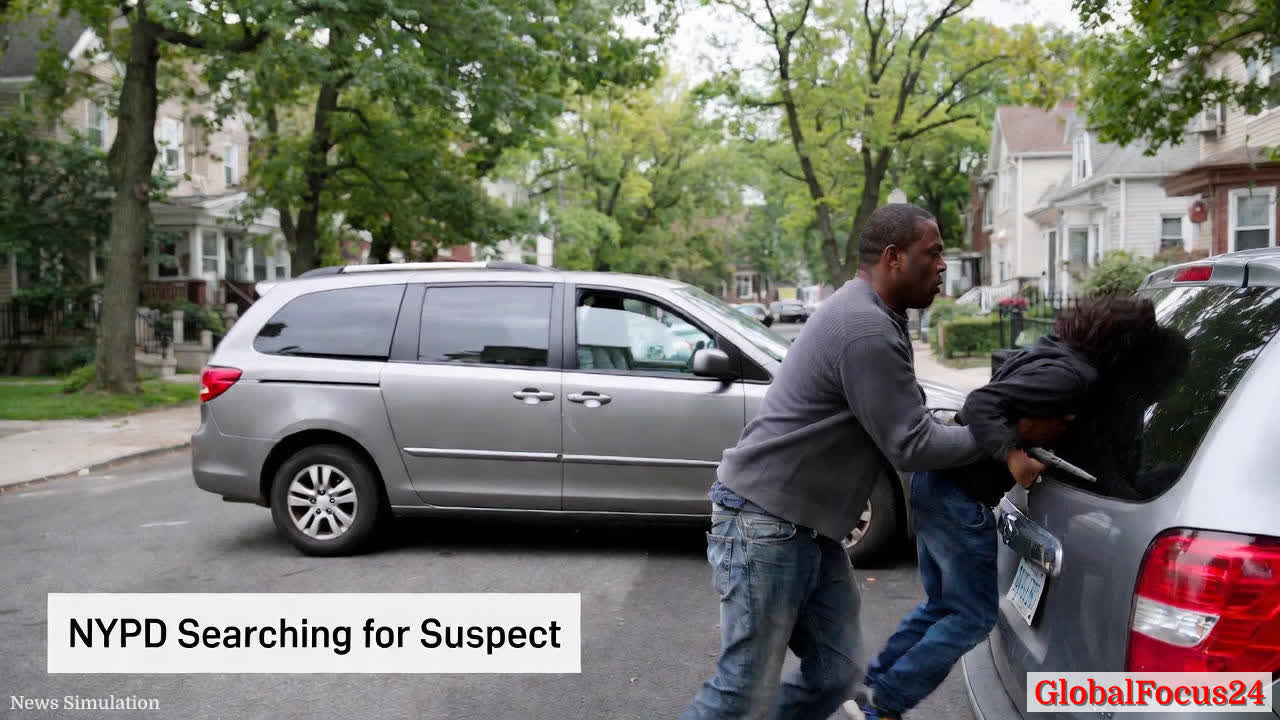
An incident in Brooklyn involving a confrontation between a passerby and a 10-year-old boy has intensified conversations about public safety, community vigilance, and the responsibilities of bystanders. Police say the 10-year-old was struck after what authorities described as a verbal dispute that escalated when the child tossed a snowball at a vehicle. Surveillance footage captured the moment a man approached the boy, grabbed him, and allegedly slammed his head into the rear window of a parked car before fleeing in a silver minivan. The distressing event occurred around 4 p.m. on December 17 outside a residence on Ocean Parkway in the Kensington neighborhood, a corridor known for its mix of residential blocks, local businesses, and pedestrian activity.
From the initial report to the ongoing investigation, authorities have emphasized that the boy sustained pain on the right side of his head and in his left hand and was transported to Maimonides Medical Center in stable condition. Medical professionals have described the injuries as non-life-threatening, though they necessitated prompt evaluation and care. In the hours since the incident, investigators have sought to reconstruct the sequence of events, verify the identity of the suspected aggressor, and gather additional evidence to determine motive and accountability.
Historical context provides a useful lens for understanding how communities respond to sudden violence in urban settings. Brooklyn has long been a focal point for discussions about public safety, youth activity, and crisis intervention. Over the past decade, crime statistics in numerous New York City neighborhoods have shown fluctuations shaped by broader economic cycles, policing strategies, and social services investments. In Kensington and neighboring areas, residents have often highlighted the importance of neighborhood watch programs, well-lit streets, and accessible community centers as buffers against impulsive acts and threats to public well-being. The current case intersects with those conversations by highlighting the role that community members and local institutions play in reporting suspicious behavior and supporting affected families.
Economic impact considerations extend beyond the immediate medical costs and potential legal proceedings. When a community experiences incidents of violence, there can be ripple effects on local commerce, school attendance, and consumer confidence. Small businesses along Ocean Parkway and in adjacent commercial strips may monitor foot traffic more closely, potentially altering hours or staffing in response to evolving safety dynamics. For families, the financial dimension includes medical expenses, transportation needs for hospital visits, and the broader costs of safeguarding children—such as after-school programs, tutoring, and counseling services. Local policymakers, in evaluating public safety strategies, must balance enforcement with community-based interventions that address root causes and promote long-term resilience.
Regional comparisons offer a broader perspective on how different cities and neighborhoods manage similar incidents. In several major urban centers, rapid response from law enforcement and clear channels for public tip-offs have contributed to swifter case progression and greater transparency for residents. Some regions have integrated mobile crime-stopper hotlines with social media alerts and neighborhood alert systems, enabling real-time information sharing that can accelerate investigations. By contrast, areas with resource constraints or fragmented communication networks may experience longer timelines for identifying suspects and communicating updates to the public. The current Brooklyn case underscores the value of robust, cross-agency coordination, community engagement, and accessible reporting mechanisms as essential components of public safety infrastructure.
Law enforcement officials have urged the public to provide any information that could assist investigators. The NYPD Crime Stoppers Hotline is available to residents and visitors who may have witnessed the events or who possess security footage from the surrounding streets, intersections, and nearby businesses. Authorities have stressed that tips can be submitted anonymously, a feature that has historically encouraged community participation without fear of repercussion. The process by which tips translate into actionable leads often involves cross-referencing surveillance footage, corroborating eyewitness accounts, and identifying patterns that could link this incident to broader safety concerns in the area. As investigators move forward, they will likely review vehicle registration data, nearby camera networks, and any prior incidents involving the suspect or the vehicle described in the report.
Public reaction to the incident has been shaped by concerns about childhood safety and the responsibilities of guardians, bystanders, and drivers in urban environments. Community leaders have called for calm, clear communication, and a measured approach to safety that avoids stigmatization while promoting vigilance. Schools, after-school programs, and youth organizations in the vicinity may respond by reinforcing safety guidelines, increasing visibility during peak activity hours, and offering informational sessions for families about recognizing and reporting dangerous behavior. Local residents may also pressure city agencies to assess street lighting, crosswalk timing, and traffic calming measures on routes commonly used by children and families.
Sociologists and security experts often emphasize that isolated acts of aggression can reflect wider social stressors, including economic pressures, mental health issues, and access to services. Analysts suggest that a comprehensive public safety strategy should blend rapid law enforcement response with preventative programs that address emotional regulation, conflict resolution, and community cohesion. In this context, the Brooklyn incident serves as a reminder of the ongoing work required to foster safe, inclusive neighborhoods where children can play and learn with confidence. Local universities and non-profit organizations might respond with collaborative initiatives designed to study incident patterns, evaluate intervention programs, and share best practices with city agencies and community groups.
As the investigation continues, authorities are asking anyone with information to contact the NYPD’s Crime Stoppers Hotline at 1-800-577-TIPS (8477) or 1-888-57-PISTA (74782) for Spanish speakers. Information leading to the identification of the suspect could be eligible for a monetary reward, depending on the tip’s usefulness and relevance to the case. Investigators will likely seek permission to review the suspect’s social media activity, public records, and any camera footage that might corroborate eyewitness statements. The vehicle involved—described as a silver minivan traveling westbound on Ditmas Avenue toward Cortelyou Road—will be a critical piece of the investigative puzzle, with investigators checking nearby toll-free entry points, gas station surveillance, and neighborhood storefront cameras for additional angles or corroborating images.
Looking ahead, the community’s overall sense of safety may hinge on a combination of visible police presence, ongoing neighborhood policing efforts, and public-facing communications that keep residents informed without sensationalizing the incident. City officials might consider convening a community safety forum to discuss preventive measures, share resources, and outline steps for supporting families affected by violence. Such forums can also serve as a platform for educators, healthcare providers, and social workers to coordinate services, identify at-risk youth, and reinforce support networks that promote resilience.
Beyond the immediate case, regional patterns in urban safety demonstrate that proactive approaches—centered on prevention, rapid reporting, and community trust—tend to yield stronger long-term outcomes. In comparing similar incidents across the Northeast and Mid-Atlantic regions, communities with integrated safety nets that connect law enforcement with social services tend to experience better cooperation from residents and higher success rates in apprehending suspects. This alignment between public safety and social support systems is increasingly viewed as essential to sustaining livable cities where families feel secure in their neighborhoods.
As the investigation unfolds, observers will be watching for procedural updates from the NYPD, including any newly released surveillance footage, public safety advisories, or community outreach efforts. In cases involving minors, authorities typically prioritize sensitive handling of information, balancing transparency with the protection of the child’s privacy and well-being. The ongoing dialogue between police, residents, and local organizations will shape the narrative around this incident and influence how similar situations are addressed in the future.
In conclusion, the Brooklyn case highlights the delicate balance cities must strike between swift enforcement and community-based prevention. While the immediate priority is to locate the suspect and ensure the boy’s continued recovery, the broader takeaway centers on reinforcing neighborhoods where children can move freely, families can rely on support networks, and residents collaborate with authorities to safeguard public spaces. By combining precise investigative work with sustained community engagement, Brooklyn and comparable urban communities can strengthen public safety infrastructure, promote resilience, and reduce the likelihood of similar episodes repeating in the months ahead. The public’s participation remains a vital element in solving this case, and authorities remain committed to pursuing every credible lead with care and diligence.