ProShares Ultra Silver ETF Plunge Highlights Risks of Leveraged Gold and Silver Bets
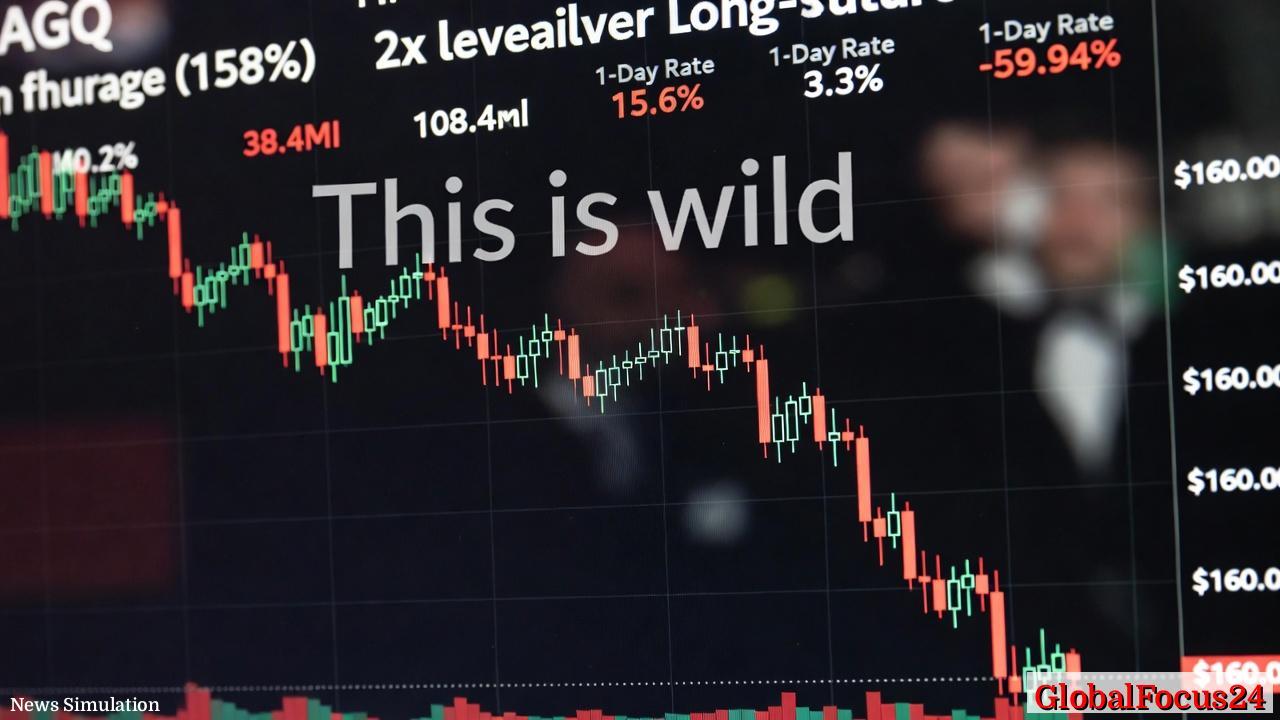
A dramatic selloff in ProShares Ultra Silver ETF (AGQ) on Friday underscored the high-risk, high-volatility nature of leveraged commodity ETFs and prompted fresh scrutiny of how investors navigate silver markets and related financial products. AGQ, which seeks twice the daily performance of silver futures, tumbled as much as 70% intraday and finished the session with substantial declines, erasing most of its year-to-date gains and leaving the fund with only a fractional advance for the year. The episode, characterized by record trading volume and an exceptionally sharp plummet, reverberated through the broader precious metals complex and drew attention to the mechanics of leverage, daily rebalancing, and market liquidity.
Historical backdrop: what levering means for silver exposure
Leveraged exchange-traded products like AGQ are designed to amplify the daily moves of their underlying assets. AGQ targets 2x the daily performance of silver futures, using a suite of futures contracts and related strategies to achieve its objective. Investors typically turn to such funds for tactical bets on short-term price moves or for hedging purposes. However, the same architecture that magnifies gains also magnifies losses, especially in markets marked by swift reversals, steep contango or backwardation in futures curves, and periods of elevated volatility.
The silver market has long been characterized by periodic supply-demand dynamics, investor flux, and macroeconomic catalysts. Industrial demand from sectors such as electronics, automotive manufacturing, solar energy, and medical devices can interact with speculative positioning in futures markets. Historically, spikes in demand or shifts in bullion sentiment have translated into meaningful moves in spot prices, but leveraged funds may amplify those swings in unpredictable ways due to daily rebalancing. Friday’s close, at a price of around $160 per share for AGQ after a steep decline from a recent high, exemplifies how quickly a leveraged product can swing when underlying futures markets experience rapid direction changes.
Economic impact: where the weakness shows up
The day’s events offered a case study in how leveraged ETFs ripple through markets, affect liquidity, and influence investor behavior. A 60% decline in AGQ in a single session is not merely a portfolio setback; it has broader implications for risk management practices, trading desks, and risk tolerance levels across institutions and retail investors who use these instruments for short-term exposure to silver prices.
- Liquidity concerns and trading velocity: AGQ’s record intraday volume—exceeding 38 million shares—suggested an unusually high concentration of trading interest and a willingness among market participants to exit positions promptly. In periods of heavy redemptions or rapid deleveraging, liquidity can tighten, widening bid-ask spreads and complicating exit strategies for large positions.
- Risk management and margin pressure: leverage magnifies both gains and losses, which can lead to heightened margin calls or abrupt portfolio de-leveraging, particularly when pricing gaps occur or when the futures curve is in an unfavorable state. Institutions and funds employing leverage for short-term tactical bets must maintain robust risk controls to withstand sudden drawdowns.
- Investor sentiment and educational gaps: moves of this magnitude often surface questions about the suitability of leveraged commodity products for individual investors and the importance of understanding daily rebalancing mechanics. Public reactions can range from renewed skepticism about leverage to renewed interest in hedging strategies or alternative exposure through non-leveraged vehicles.
Regional comparisons: how other markets fared and what it means regionally
While AGQ’s decline was notable, the broader precious metals segment experienced mixed performances in the same window. Silver prices, which often act as a barometer for industrial demand and macroeconomic expectations, fluctuated in tandem with broader risk-on and risk-off dynamics. The incident serves as a reminder that leverage-driven products can behave differently from their underlying assets, particularly in markets with uneven liquidity or complex futures structures.
In comparison to other regions, U.S.-listed leveraged commodity ETFs like AGQ are subject to U.S. regulatory and market infrastructure conditions, including strict disclosure requirements and ongoing risk disclosures. Investors elsewhere may access silver exposure via different vehicle types, such as non-leveraged gold and silver ETFs, physically backed products, or futures-based funds with distinct risk profiles. The Friday event thus highlights how instrument design, regulatory environments, and market microstructure can influence outcomes for similar exposure in different jurisdictions.
What moved AGQ: key factors behind the one-day collapse
Several factors typically interact to drive such extreme intraday moves in leveraged silver ETFs:
- Daily rebalancing and compounding effects: because AGQ aims to deliver 2x daily performance, its sensitivity to price changes is recalibrated every trading day. During a volatile session, this compounding can produce outsized losses if the underlying silver futures move sharply downward and stay there.
- Contango and backwardation in silver futures: the shape of the futures curve affects roll yield, which can impact ETF performance beyond simple price movements. If the curve is unfavorable, roll costs can erode returns over time, particularly for leveraged products that rely heavily on ongoing futures exposure.
- Market stress and liquidity strain: during periods of rapid selling, market makers and liquidity providers may pull back, amplifying price declines and increasing the difficulty of executing trades at quoted prices.
- Positioning and crowded trades: if a large share of market participants is positioned for a near-term rally, a sudden reversal can trigger sweeping deleveraging, magnifying losses and volatility across the ETF’s constituent positions.
What this means for investors moving forward
For investors currently holding leveraged silver exposure or considering it in the near term, several practical takeaways are worth noting:
- Revisit objectives and time horizon: leveraged ETFs are generally designed for short-term tactical trading rather than long-term buy-and-hold strategies. Clarify whether your objective aligns with rapid, directional bets or if a more conservative approach better suits risk tolerance.
- Understand the mechanics: daily rebalancing means the ETF’s performance can diverge significantly from the underlying asset over longer horizons, especially in sideways or choppy markets. Awareness of this dynamic helps set realistic expectations for potential outcomes.
- Monitor liquidity and spreads: during periods of high volatility, liquidity can worsen, and bid-ask spreads may widen. Consider execution costs and the potential impact on net returns when entering or exiting positions.
- Diversify exposure thoughtfully: rather than concentrating risk in a single leveraged vehicle, investors might seek alternative routes to access silver exposure, such as non-leveraged bullion ETFs, physical silver allocations, or diversified commodity funds that offer broader exposure with different risk characteristics.
- Use risk controls: define stop-loss levels, position size limits, and hedging strategies to manage downside risk. Given the speed at which leveraged positions can move, automated risk checks and predefined exit strategies can be valuable.
Narrative backdrop: public reaction and the broader market mood
Friday’s events drew public attention to the inherent fragility of highly leveraged financial products in volatile markets. Market observers noted the rapid shift from a year-to-date rally to a dramatic reversal, illustrating how quickly sentiment can reverse in commodity markets when leveraged bets unwind. Financial commentators and veteran traders often emphasize that while leverage can amplify profits, it can equally magnify losses, particularly in assets with cyclical demand, price sensitivity to macro news, and complex futures dynamics.
The silver market and the energy transition context
Silver’s role in the economy extends beyond its role as an investment asset. It is a critical industrial metal with applications in electronics, solar panels, medical devices, and jewelry. The energy transition and increasing demand for solar technologies have periodically supported silver demand projections, while macroeconomic conditions—such as interest rate expectations, inflation pressures, and currency strength—shape both investor sentiment and industrial fabric. In this environment, investors seek exposure to silver as a hedge or as a proxy for broader commodity cycles, but leveraged vehicles like AGQ can produce outsized outcomes that require careful risk budgeting.
Looking ahead: potential scenarios and monitoring signals
As markets digest Friday’s volatility, several potential pathways could emerge in the near term:
- Stabilization with selective reflation: if volatility cools and silver prices stabilize, leveraged products may rebound in line with or outpace the underlying asset, depending on intraday momentum and futures positioning.
- Prolonged consolidation: the silver market could enter a period of range-bound trading, with leveraged ETFs continuing to reflect the cautions associated with daily rebalancing and the potential for episodic drawdowns.
- Policy and macro-driven shifts: shifts in monetary policy expectations, inflation dynamics, and demand signals from key industries could influence silver’s trajectory and the attractiveness of leveraged exposure.
Conclusion: a reminder of risk and opportunity in leveraged markets
The Friday movement in AGQ serves as a salient case study for traders, risk managers, and investors weighing exposure to leveraged commodity products. It demonstrates how the design of leverage, the behavior of futures markets, and market liquidity interact to produce outsized moves in a single session. For market participants, the episode reinforces the importance of aligning investment choices with time horizons, risk tolerance, and a clear understanding of product mechanics. As silver markets continue to respond to industrial demand, investor sentiment, and macroeconomic currents, the conversation about appropriate use of leverage in commodities will remain a central theme in risk-aware portfolio construction.