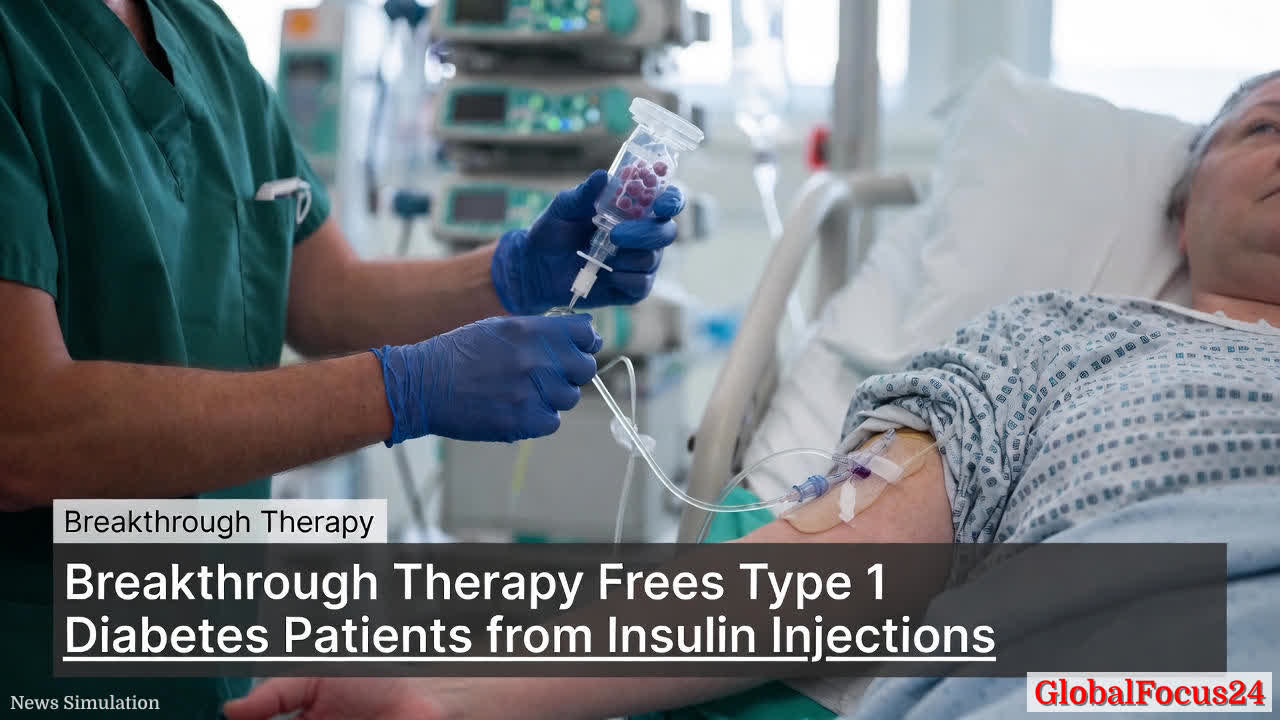
Breakthrough Therapy Frees Type 1 Diabetes Patients from Insulin Injections
A new clinical approach using lab-grown pancreatic cells delivered through a single infusion is offering a potential path toward long-sought insulin independence for people with type 1 diabetes. In a small but promising study, researchers reported that most participants were able to produce their own insulin after the procedure, reducing or eliminating the need for daily injections. The breakthrough, if validated in larger trials, could shift the standard of care for a condition that affects millions worldwide.
Historical context: the quest to restore endogenous insulin production Type 1 diabetes is a chronic autoimmune disease characterized by the destruction of insulin-producing beta cells in the pancreas. For decades, the medical community has pursued therapies that restore natural insulin production or reduce the need for external insulin. Early efforts focused on transplantation of pancreatic islets from deceased donors, which showed potential but faced severe shortage of donor tissue, immune rejection, and issues with long-term graft function. Over the years, researchers explored alternatives, including stem cell–derived beta cells and bioengineering approaches, to create a renewable source of insulin-secreting cells. The current study builds on this trajectory by leveraging lab-grown islet cells derived from stem cells and delivering them through a vascular route to engraftment sites in the liver, aiming to reestablish autonomous insulin regulation.
What happened in the trial In the reported study, fourteen participants with type 1 diabetes received a single full-dose infusion of stem cell–derived islet cells. The cells were delivered intravenously, allowing them to migrate to the liver, where they form engraftments capable of producing insulin in response to blood glucose levels. One year after the infusion, ten of the twelve participants who received the full dose no longer required supplemental insulin. Two additional participants reduced their insulin needs by up to 70 percent. While the body’s ability to regulate blood sugar improved substantially for many, the study also noted that immunosuppressive therapy was necessary to prevent rejection of the transplanted cells. Side effects attributed to immunosuppressants included diarrhea, headache, nausea, and infections. There were two unrelated deaths during the trial, one due to a surgical complication and another linked to a preexisting injury, which underscores the complexity and risks associated with immune suppression and invasive procedures.
Economic impact: potential shifts in costs, access, and healthcare planning If larger trials confirm these results, the economic implications for diabetes care could be substantial. The biggest ongoing expense for many patients is daily insulin therapy, continuous glucose monitoring, and the associated caregiving logistics. A durable, insulin-independent solution could reduce long-term costs for some patients, particularly those with poorly controlled blood sugar or high needs for insulin therapy. However, the upfront costs of cell manufacturing, immunosuppression management, and the medical procedures themselves could be significant. Payers will weigh upfront investment against anticipated long-term savings from fewer diabetes-related complications, hospitalizations, and ambulance visits. Health systems might need to adjust to a model that blends cell-based therapy with ongoing surveillance for graft function and potential immunosuppressant side effects. Insurance coverage, patient eligibility criteria, and multidisciplinary care pathways will likely evolve as this approach moves toward broader clinical testing and potential regulatory approval.
Regional comparisons: examining global readiness and capacity Regenerative therapies for diabetes are advancing in several regions, but readiness varies. In countries with robust biomanufacturing ecosystems and specialized transplant centers, the translation from early trials to standard care could occur more quickly, supported by streamlined regulatory processes and established immunosuppression protocols. Regions with strong public health infrastructures and comprehensive diabetes management programs may experience faster integration of novel therapies into care pathways, provided safety and efficacy continue to be demonstrated. Conversely, areas with limited access to advanced cellular therapies, stringent cost considerations, or constrained healthcare budgets may face longer timelines for adoption. Global collaboration, including shared data from multicenter trials and harmonized regulatory standards, will be critical to ensuring that breakthroughs reach diverse patient populations equitably.
Clinical considerations: benefits, risks, and patient selection The potential benefit of this therapy is clear: a move toward endogenous insulin production can reduce the daily burden of disease management for many patients. The most immediate hurdle is the need for lifelong immunosuppressive therapy to prevent graft rejection, which introduces risks such as infection, cancer, and drug interactions. Long-term immunosuppression remains a significant consideration in evaluating the net benefit for patients, particularly those with lower risk profiles or alternative therapy options. Patient selection will likely focus on individuals with long-standing insulin dependence, suboptimal glycemic control, and a willingness to manage immunosuppressive therapy under close medical supervision. Ongoing monitoring of engraftment health, liver function, and immune tolerance will be essential components of post-treatment care.
Scientific context: how the therapy works in practice The infusion aims to establish a functioning pancreatic islet bed within the liver. Once engrafted, the lab-grown islet cells sense blood glucose levels and secrete insulin accordingly, striving to mimic natural pancreatic activity. The approach is designed to overcome the donor tissue shortages that have hampered islet transplantation. The liver provides a vascular and regulatory environment conducive to cell survival and function, enabling the transplanted cells to contribute meaningfully to glucose homeostasis. Early responses suggest that the transplanted cells can act with rapid kinetics, aligning insulin release with fluctuating glucose levels. Still, the durability of engraftment and long-term functional stability remain key questions as researchers design subsequent trials with more participants and longer follow-up periods.
Public reaction and practical implications Public interest in regenerative therapies for diabetes has surged as personal stories of improved independence circulate. For many patients, the possibility of living without daily injections represents a transformative shift in quality of life. Clinicians emphasize informed decision-making, noting that enthusiasm must be balanced with a careful assessment of risks, including infection and potential complications from immunosuppressants. Public health messages stress that, while breakthroughs are encouraging, they do not yet eliminate the need for ongoing medical oversight. Clear communication about realistic timelines, potential side effects, and the importance of adherence to follow-up care is vital in shaping patient expectations.
Regulatory outlook and next steps The research team plans to expand the trial to fifty participants, which will provide more robust data on safety, efficacy, and durability. Regulatory agencies will closely scrutinize outcomes related to immune suppression, graft longevity, and the incidence of adverse events. If future results reinforce current findings, regulatory submissions for broader approval could follow in 2026. The approval pathway will likely involve phased indications, starting with highly selected patient groups who stand to gain the most from insulin independence, before expanding to wider populations as safety data accumulates. Collaboration with patient advocacy groups and medical societies will help shape guidelines for clinical use and post-market surveillance.
A broader context: how this fits into the diabetes treatment landscape The pursuit of a functional cure for type 1 diabetes has evolved alongside advances in continuous glucose monitoring, advanced insulin formulations, and personalized medical devices. This therapy represents a complementary avenue by targeting the underlying cellular deficit rather than solely managing symptoms. While not yet a universal cure, it could complement existing strategies, offering an option that reduces the daily burden of disease management for a subset of patients. The broader landscape continues to include research into immune modulation, beta-cell preservation, and alternative cell sources, reflecting a diversified strategy toward more sustainable diabetes control.
Key takeaways for readers
- Lab-grown islet cells infused intravenously may engraft in the liver and begin producing insulin, potentially reducing or eliminating the need for daily injections in some patients.
- Immunosuppressive therapy remains a central component, with associated risks that require careful management and patient selection.
- The trial’s positive signals justify expanded studies, with regulatory review anticipated in the near term as researchers seek to confirm durability and safety.
- Global differences in biomanufacturing capacity, regulatory frameworks, and healthcare funding will influence how quickly this therapy becomes available in different regions.
- This development sits within a broader continuum of diabetes research, offering a complementary pathway toward restoring natural insulin regulation.
Conclusion: a potential turning point in diabetes care, contingent on further validation If upcoming trials with larger and more diverse patient populations corroborate these early results, this stem cell–based islet therapy could redefine expectations for type 1 diabetes management. The prospect of regaining natural insulin production—and with it greater autonomy over daily health—marks a meaningful advancement in a field defined by incremental improvements and careful caution. As researchers push forward, clinicians, patients, and policymakers will be watching closely for signs of durable engraftment, manageable safety profiles, and clear pathways to broader access. The coming years will determine whether this approach becomes a standard option in the diabetes treatment arsenal or remains a promising but limited option for a subset of patients.