Patient With Triple Autoimmune Disorders in Complete Remission After Pioneering CAR T-Cell Therapy
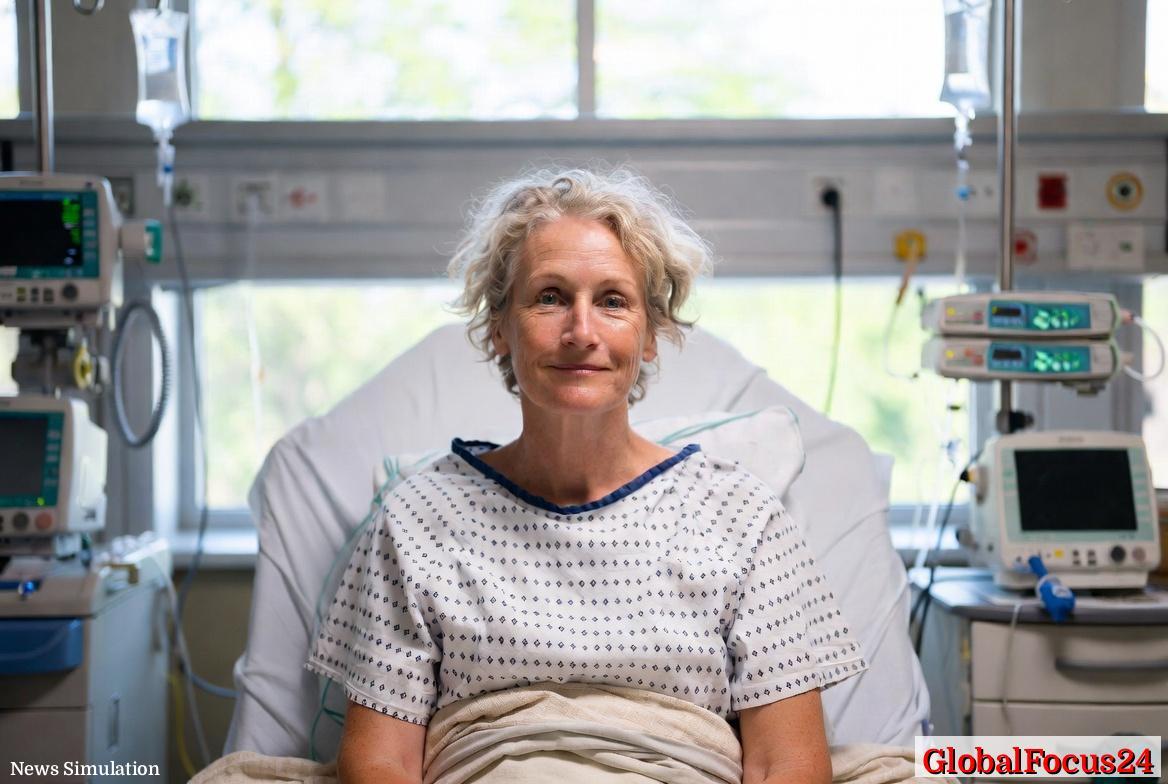
A 47-year-old woman in Europe with an unprecedented combination of three severe autoimmune diseases—autoimmune haemolytic anaemia, immune thrombocytopenia, and antiphospholipid syndrome—has achieved complete remission following a single infusion of engineered immune cells. The patient has remained symptom-free and free of medication for 14 months, a result experts describe as “exceptional” and potentially transformative for the field of immunology.
A Case That Defied Medical Convention
Before treatment, the patient’s health had deteriorated to the point of being life-threatening. Her immune system was destroying her own red blood cells and platelets, while also producing antibodies that triggered dangerous blood clots. She required up to three blood transfusions a day to survive, endured crippling fatigue, and lived under constant risk of uncontrolled bleeding or thrombosis. Standard therapies—including steroids, rituximab, and other immunosuppressants—had all failed.
According to clinicians involved, her case presented an almost impossible challenge. Each of her three conditions independently is rare, but their combination is virtually unheard of in medical literature. The woman’s body had become trapped in a vicious cycle: the same immune system designed to protect her was systematically attacking essential components of her blood and vascular system.
Engineering the Immune System to Heal Itself
In early 2025, a team of hematologists and immunologists proposed a bold experimental therapy that had previously been used primarily for cancer. They extracted her T cells—white blood cells responsible for immune defense—and genetically modified them to create chimeric antigen receptor T cells, or CAR T cells. These cells were engineered to identify and destroy B cells expressing a specific surface protein involved in producing harmful antibodies.
Before the infusion, the patient underwent chemotherapy to temporarily clear existing immune cells and make space for the incoming CAR T cells. The procedure carried risks, including infection and severe immune reactions. But within one month, the results were beyond expectations: her red blood cell count stabilized without transfusions, platelet levels returned to normal ranges, and laboratory markers of autoimmune activity dramatically declined. Fourteen months later, she remains in remission with no detectable disease activity and no need for ongoing therapy.
The Rise of CAR T Therapy Beyond Cancer
CAR T-cell therapy is among the most groundbreaking innovations in modern medicine. Originally developed to treat blood cancers such as leukemia and lymphoma, the therapy has shown striking success by reprogramming a patient’s own immune cells to recognize and eliminate malignancies. Over the past few years, researchers have begun to explore its potential in treating autoimmune diseases, where the immune system mistakenly attacks healthy tissue.
One of the earliest demonstrations came in late 2022, when patients with severe lupus experienced long-term remission following a single CAR T-cell infusion. Since then, similar reports have surfaced for conditions such as multiple sclerosis and myasthenia gravis. These early cases suggest that CAR T therapy could effectively “reset” the immune system—eliminating malfunctioning cells and allowing the body to rebuild healthy immunity from scratch.
The success of this latest case involving three concurrent autoimmune disorders underscores the versatility of the approach. It suggests that even complex, overlapping immune dysfunctions may be reversible when the root cause—autoantibody-producing B cells—is eliminated at the source.
Historical Context: From Transfusion Dependence to Immune Engineering
Historically, patients with autoimmune haemolytic anaemia and immune thrombocytopenia have relied on corticosteroids, plasmapheresis, or splenectomy to control symptoms. These treatments often provide temporary relief but carry significant side effects and limited long-term success. Antiphospholipid syndrome adds further complications, increasing the risk of stroke, heart attack, and miscarriage due to recurring clot formation.
The concept of using engineered immune cells to treat autoimmune conditions represents a seismic departure from traditional immunosuppression. Rather than broadly weakening the immune system, CAR T-cell therapy targets the specific offenders, leaving healthy immune functions intact. This precision offers the promise of durable remission without the infection risks associated with chronic immunosuppressive therapies.
The fact that a patient who once faced daily transfusions now leads a normal life without medication signals what could be a turning point comparable to the introduction of monoclonal antibodies in the late 20th century—a shift from symptom management to immune modulation at the cellular level.
Economic and Healthcare Implications
The potential expansion of CAR T-cell therapy into autoimmune disease raises both hope and logistical challenges. Each treatment currently costs hundreds of thousands of dollars, reflecting the complexity of personalized cell manufacturing. Yet long-term economic models suggest these high upfront costs could be offset by the elimination of lifelong drug regimens, recurring hospitalizations, and productivity loss associated with chronic disease.
For example, patients with refractory autoimmune conditions may collectively spend millions of dollars per year on intravenous immunoglobulin, steroids, and biologic drugs that require continuous administration. A one-time curative therapy—even at a high initial price—could substantially reduce long-term healthcare expenditures. Moreover, as manufacturing processes become more automated and scalable, costs are expected to decline.
Beyond finances, the psychological and social benefits of remission are immeasurable. The ability to resume daily activities, employment, and independence after years of disability has profound implications for patient well-being and healthcare systems alike.
Regional Comparisons and Global Research Race
The success of this case follows a series of exploratory CAR T trials across Europe, the United States, and China. European researchers have taken a leading role in treating autoimmune patients with CD19-targeted CAR T cells, leveraging infrastructure built for hematologic cancers. In the United States, a growing number of academic centers, including programs in California and Texas, are preparing phase 2 clinical studies for diseases such as systemic lupus erythematosus and scleroderma.
Meanwhile, China has rapidly expanded its CAR T pipeline through partnerships between hospitals and biotech companies, with an emphasis on cost reduction and large-scale application. Analysts expect that as clinical data accumulate, regulatory agencies across major regions may begin formal approval processes for autoimmune indications as early as 2027.
The global competition could accelerate innovation, leading to standardized protocols and streamlined access to what might become a new class of curative therapies.
Expert Perspectives on Immune Reset
Immunologists caution that while the current results are unprecedented, they must be interpreted carefully until verified through controlled studies. A complete and sustained remission after 14 months represents a strong signal, but long-term monitoring is essential. Questions remain about the durability of immune reconstitution and the potential for relapse once B cells naturally repopulate.
Nevertheless, many experts describe the mechanism as a true “immune reset.” By eradicating disease-causing B cells and allowing new ones to develop without the faulty programming, the immune system effectively starts over. Some liken it to rebooting a corrupted computer—shutting it down, clearing the problematic code, and restarting it in a normal state.
Dr. Anke Lorenz, an immunologist not involved with the case, commented that this paradigm could redefine how chronic inflammatory and autoimmune conditions are viewed: “If these results are replicated, we may move from lifelong disease management to genuine immune restoration.”
Public Reaction and the Path Ahead
The story has sparked global attention, particularly among patients and advocacy groups who have long awaited breakthroughs beyond suppressive treatments. Across online communities, individuals living with autoimmune disorders have expressed both excitement and cautious optimism. Many hope the approach could soon extend to more common conditions such as rheumatoid arthritis, type 1 diabetes, and multiple sclerosis.
For now, medical teams are planning longitudinal monitoring to observe whether the patient’s remission persists over several years. Additional trials involving small patient groups with overlapping autoimmune syndromes are expected to begin later this year. If outcomes remain consistent, specialists predict a gradual expansion of CAR T-cell therapy into broader autoimmune applications within the next decade.
A Milestone in the Evolution of Medicine
This single case marks not just a medical triumph but a glimpse into the future of precision immunotherapy. The ability to reprogram the immune system to cure rather than control disease represents a fundamental shift in medicine’s trajectory. While challenges of cost, safety, and accessibility remain, the evidence from this patient’s recovery suggests that the boundaries between cancer therapy and autoimmune treatment are beginning to erase.
The convergence of genetic engineering, cellular immunology, and biotechnology has delivered a treatment once considered impossible. Fourteen months without a relapse, without a pill, and without symptoms may foreshadow an era in which the immune system can be rewritten—with lasting, life-changing results.