Japanese investors rebalance: shifting tides in global fixed-income as domestic yields rise
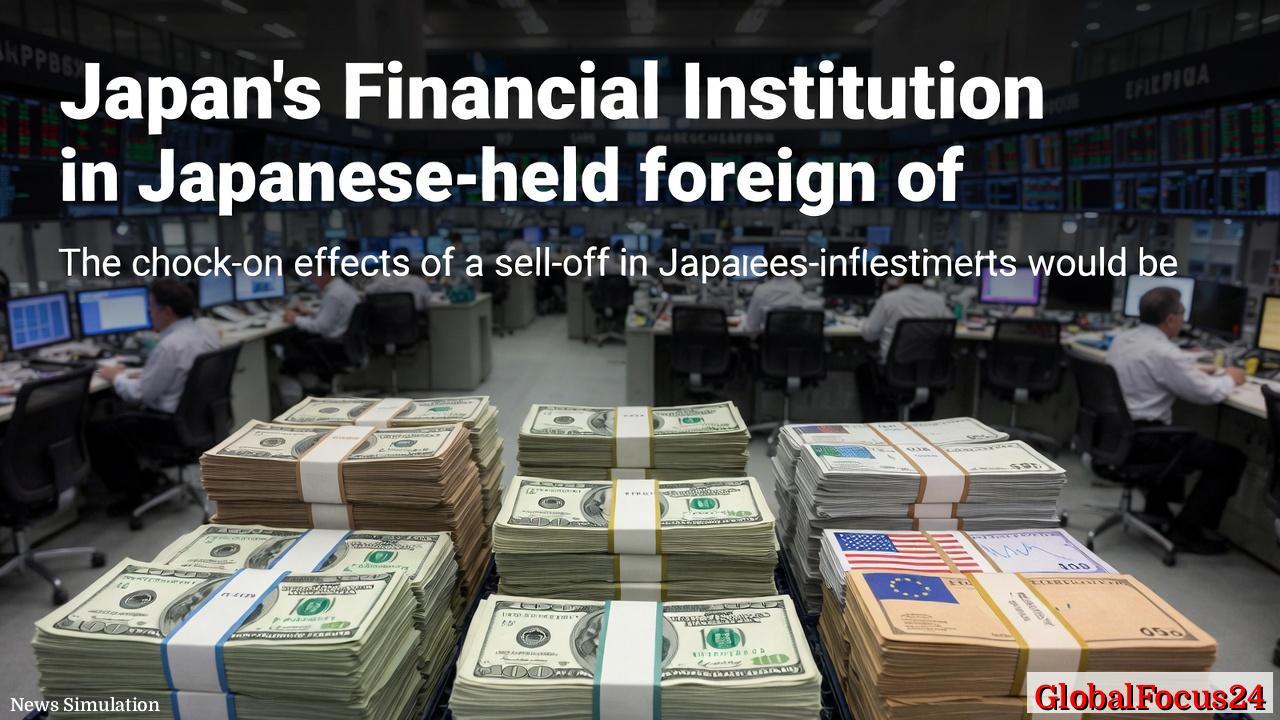
In a landscape defined by persistently low domestic interest rates for more than a decade, Japan’s financial institutions have quietly built one of the world’s largest pools of foreign securities. Estimated at roughly $6 trillion, the country’s overseas holdings include substantial portfolios of bonds and equities issued by the United States and major European economies. Over the past twenty years, this foreign allocations strategy has grown in parallel with Japan’s own economy, reflecting a deliberate pursuit of diversification, risk management, and yield opportunities beyond a constrained domestic market. As Japan’s domestic bond market shows signs of a potential turn—yields rising in the wake of fiscal policy debates and evolving market dynamics—the trajectory of these foreign holdings is entering a critical phase. The potential repatriation of capital could ripple through global financial markets, altering demand patterns for key assets, and reshaping regional comparisons in Asia and beyond.
A historical context for Japan’s overseas tilt
Japan’s postwar financial arc is characterized by long periods of low inflation and low interest rates, a combination that encouraged institutions to seek returns beyond national borders. After the asset-price busts and the banking crises of the 1990s, the country’s financial sector shifted focus toward managed liquidity and diversified risk, often by expanding overseas exposure. The Bank of Japan’s policy framework, including unprecedented monetary easing in recent decades, further anchored this approach. By the 2000s and into the 2010s, large Japanese insurers, pension funds, banks, and asset managers had established sizable foreign-security portfolios, particularly in U.S. Treasuries and European sovereign debt and equities. This strategy helped stabilize returns when domestic bonds offered little coupon income and supported hedging against domestic rate volatility. The result was a global footprint: Japan became a major source of capital flow, supporting both U.S. and European markets while maintaining a robust domestic investment program.
Today’s domestic yield environment and its implications
In Japan, the yield landscape for government and corporate bonds has gradually shifted. A combination of aging demographics, government financing needs, and policy experimentation has contributed to higher yields on some Japanese government bonds (JGBs) in recent periods. While still lower on average than many other advanced economies, these rising domestic yields increase the appeal for local investors to reallocate capital from foreign securities toward domestic fixed income and higher-yield options. The logic is straightforward: if the domestic risk-adjusted return improves, institutions may prefer to place more money at home to fund pensions, balance sheets, and long-term liabilities. This potential reweighting is not just a domestic story; it carries implications for international markets that rely on steady demand from Japanese buyers.
Potential channels of impact on global markets
- U.S. Treasuries and other major government bonds: Japan’s holdings of U.S. Treasuries exceed $1 trillion, a cornerstone of the global sovereign-bond market. A sizable shift toward repatriation could reduce demand for Treasuries, exerting upward pressure on global yields. Higher yields can cascade through borrowing costs, affecting mortgage rates, corporate borrowing, and sovereign financing costs in many economies.
- Equity and credit markets: Beyond government bonds, Japanese investors hold substantial equity positions and corporate debt overseas. A tilt toward domestic options could dampen foreign equity inflows and influence currency valuations as capital flows adjust. This rebalancing may also alter the risk premia embedded in international credit markets, with implications for investors seeking yield in a low-rate world.
- Currency dynamics: Shifts in cross-border asset allocations can influence currency markets. If Japanese institutions repatriate capital, downward pressure on the yen could reverse if the inflow expectations change, or the opposite could occur depending on how the trade-weighted effects play out. Currency moves, in turn, affect export competitiveness and inflation dynamics across regions.
- Insurance and pension fund dynamics: Large Japanese insurers and pension funds bear the dual pressures of meeting long-term liabilities and managing unrealized losses on domestic debt when rates rise. A reallocation toward domestic assets could reduce the demand for foreign bonds and shift the risk balance for these institutions, potentially impacting hedging strategies and capital resilience.
Regional comparisons and strategic considerations
Japan’s overseas portfolio stands out when viewed alongside peers in Asia and beyond. In many regional markets, institutional investors face different constraints and opportunities. For example, some East Asian markets rely more heavily on domestic savings and currency stability, while others have deeper, more liquid domestic debt markets that influence allocation choices. Japan’s unique combination of mature financial markets, a highly developed insurance and pension system, and a policy environment focused on risk mitigation shapes its global footprint differently than, say, Korea’s or Taiwan’s institutional investor profiles. The contrast underscores how macro policy, demographics, and market structure influence cross-border asset decisions.
From a risk management perspective, diversification remains a central objective for Japanese institutions. The foreign-security allocations help spread exposure across geographies, sectors, and currencies, mitigating concentration risk in a single domestic regime. Yet the evolving domestic yield landscape introduces a tactical question: how much weight should be given to chasing higher yields at home versus maintaining balanced foreign exposure that supports long-term liabilities and investment mandates? The answer is seldom binary. Instead, asset managers may pursue glide-path strategies, adjusting duration, credit quality, and geographic tilt in response to inflation expectations, currency hedging costs, and regulatory considerations.
Economic impact of a potential rebalancing
The macroeconomic consequences of a significant shift from foreign to domestic assets would depend on the scale and speed of the reallocation. Potential effects include:
- Domestic financing pressure: If more funds stay in Japan, this could support government bond demand and help stabilize JGB yields, potentially reducing the need for aggressive fiscal financing tools. Conversely, if the shift accelerates to domestic assets, it could tighten liquidity in international markets and influence global risk premia.
- Inflation and wage dynamics: A higher domestic yield environment can influence corporate investment decisions, consumer borrowing costs, and wage negotiations. In an economy with aging demographics and a strong emphasis on sustainability and social welfare funding, shifts in capital allocation may affect inflation trajectories and long-term growth potential.
- Bank and insurer balance sheets: For lenders and insurers holding a mix of domestic and foreign assets, rising domestic yields could improve the value of new fixed-income allocations at the expense of unrealized losses on legacy foreign holdings, depending on hedging and duration management practices. This dynamic can influence capital adequacy, product pricing, and policy offerings.
Policy considerations and forward-looking themes
Policy makers and market participants are watching several themes that could shape the path ahead:
- Fiscal policy signaling: How the government addresses debt sustainability, spending priorities, and tax policy can influence appetite for domestic versus overseas investments. Clear, credible policy in these areas supports market confidence and informs asset allocation decisions.
- Interest-rate trajectory: The trajectory of the Bank of Japan’s monetary policy, including tightening or normalization steps, will affect the attractiveness of domestic assets relative to foreign holdings. Market expectations around inflation and growth will continue to shape this path.
- Structural reforms and growth drivers: Structural reforms, productivity gains, and demographic policy can alter the risk-return profile of domestic assets. As the economy evolves, institutions recalibrate their portfolios to reflect new growth drivers and risk profiles.
Public reaction and market sentiment
Market participants, including corporate treasurers, fund managers, and pension trustees, are weighing the potential implications of a shift toward domestic assets. While a gradual rebalancing offers time to adjust hedges and transition plans, abrupt changes could induce volatility in fixed-income and foreign-exchange markets. Public sentiment often mirrors broader economic expectations: optimism about domestic policy stability and growth can reinforce a homeward reallocation, while concerns about inflation, fiscal sustainability, or external shocks may sustain demand for safe, liquid foreign assets.
Conclusion: navigating a complex, interconnected landscape
Japan’s foreign securities portfolio has long been a cornerstone of the country’s financial strategy and an implicit pillar of global capital markets. As domestic yields rise and policy dynamics shift, the possibility of capital repatriation adds a new dimension to the ongoing dialogue about risk, diversification, and resilience. The implications extend beyond national borders, touching U.S. and European bond markets, currency trades, and international investment strategies. For now, the path forward will be characterized by careful balance: maintaining prudent foreign exposure to preserve diversification while optimizing domestic allocations to meet long-term liabilities and growth objectives. In this evolving environment, investors and policy makers alike will watch for signals that indicate how quickly and how far this rebalancing could unfold, and what that means for the global financial system in the years ahead.