Gold Prices Fall Sharply as Market Correction Deepens After Record Highs
Global Gold Market Sees Significant Pullback
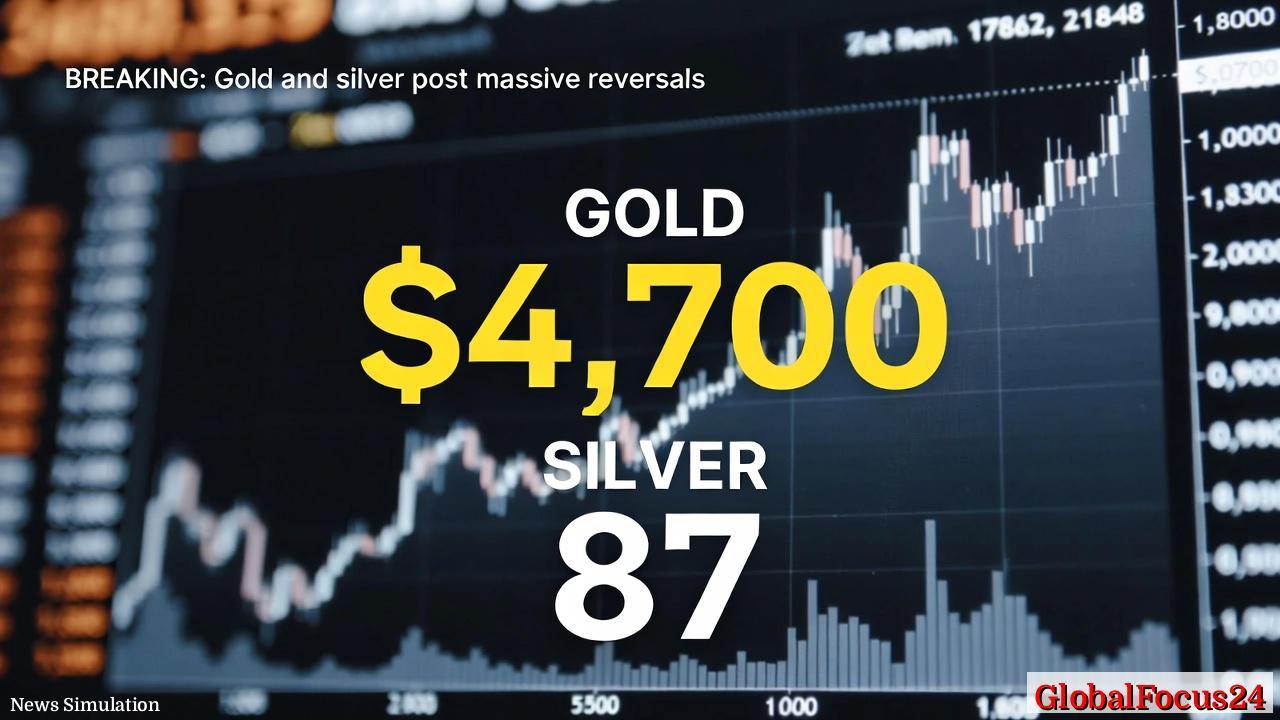
Gold prices plunged on February 2, 2026, marking their sharpest single-session decline in weeks. Spot gold fell to $4,773.12 per ounce, down $122.61, or 2.50%, as investors reacted to renewed strength in the U.S. dollar and easing inflation concerns. The downturn follows a period of record highs earlier this year, when gold nearly touched $5,600 per ounce, setting new all-time benchmarks before the latest correction.
During the latest trading session, most of the downward momentum occurred between 01:30 and 07:30, based on market activity tracking candlestick indicators that revealed consistent selling pressure and an overall bearish sentiment. Even with the drop, gold remains significantly higher on a year-to-date basis, underscoring the metal’s resilience amid persistent global economic uncertainty.
A Steep Correction After Record-Breaking Gains
The current decline represents a significant but not unexpected correction following an extended rally that began in late 2025. In that period, gold surged nearly 40% in just six months, propelled by mounting fears of a slowdown in global growth, surging energy prices, and geopolitical tensions that pushed investors toward traditional safe-haven assets.
By early January 2026, the market had largely priced in additional demand from central banks and institutional investors who sought portfolio stability amid volatile equity markets. However, as recent data signaled moderating inflation and resilient consumer spending in advanced economies, profit-taking began to accelerate. Analysts note that these sharp reversals are characteristic of commodities markets that experience prolonged speculative buildups.
Gold’s retracement from near $5,600 to below $4,800 now positions the market within a technically corrective phase, though still elevated relative to historical averages. For comparison, just two years ago in early 2024, gold traded near $2,400 per ounce—a price that was considered exceptionally high at the time.
Dollar Strength and Bond Yields Pressure Bullion
One of the primary drivers of the downward move in gold prices has been renewed strength in the U.S. dollar index, which recently climbed to its highest level in nine months. A stronger dollar makes dollar-denominated commodities like gold more expensive for foreign investors, typically weighing on prices. Additionally, rising yields on U.S. Treasury bonds have reduced the relative appeal of holding gold, which offers no yield or dividend.
Market analysts also point to growing confidence that major central banks may not cut interest rates as aggressively or as soon as anticipated earlier this year. Federal Reserve officials have reiterated a cautious approach to monetary easing, aiming to prevent inflation from reaccelerating. The result has been a more risk-on sentiment in equity markets, diverting some capital flows out of precious metals.
Historical Context: Lessons From Past Corrections
Historically, gold has exhibited similar patterns of rapid ascent followed by steep interim declines. During the 2011 rally, gold prices peaked near $1,920 before dropping 20% within months, despite ongoing concerns over sovereign debt crises. Comparable pullbacks occurred in 2020 when pandemic-related uncertainty briefly pushed gold above $2,050, followed by a 15% retreat as investor sentiment stabilized.
The 2026 correction shares several features with those earlier episodes—a buildup of speculative positions, short-term overvaluation relative to fundamentals, and a shift toward profit-taking once key macroeconomic fears began to ease. However, the scale of today’s price movements, measured in both dollar terms and percentage changes, is considerably larger, reflecting the evolving nature of global financial markets and their heightened sensitivity to liquidity conditions.
Supply and Demand Dynamics
Physical gold demand remains robust, particularly in Asia, where jewelry consumption and central bank purchases continue to underpin long-term demand trends. China and India, the world’s two largest gold-consuming nations, have both reported increased imports over the past six months, even as prices soared. Central banks in emerging markets have also been steadily accumulating gold reserves as part of de-dollarization efforts designed to diversify their foreign exchange holdings.
On the supply side, global gold production has remained relatively steady, with output estimated at around 3,600 metric tons annually. Major mining operations across Australia, China, and Russia have maintained or modestly increased their production levels, helped by high prices that made lower-grade ore extraction economically viable. Supply bottlenecks that emerged during the pandemic era have largely eased, giving the market more flexibility and moderating the upward pressure on prices.
Economic Implications of the Pullback
Although the fall in gold prices represents a loss for some investors, it may carry beneficial macroeconomic ripple effects. Lower gold prices can reduce inflationary pressures in countries where gold is an important component of consumer goods—particularly jewelry—and may even stabilize certain emerging market currencies that face high levels of gold-linked imports.
From an investment perspective, a period of consolidation could also create opportunities. Long-term holders of gold often view such corrections as entry points for portfolio diversification, particularly if they anticipate renewed volatility in equity or bond markets later in the year. Some fund managers have already suggested that a stable price range near $4,600–$4,800 may mark a sustainable level for the metal, assuming no new global shocks emerge.
Comparative Regional Reactions
Financial markets across different regions have responded unevenly to the latest drop. In Asia, markets showed only modest reactions as physical demand remains robust, especially in India’s bullion exchanges, where traders largely viewed the correction as temporary. In contrast, European investors exhibited greater caution, with gold-backed exchange-traded funds (ETFs) recording net outflows for the first time in months.
In the United States, commodities analysts observed that the sharp drop coincided with increased interest in equity markets, particularly in technology and energy sectors, as investors rotated capital into higher-yielding assets. Meanwhile, Middle Eastern markets—traditionally strong gold buyers due to cultural and investment factors—remained largely stable, supported by regional diversification strategies and relatively high oil revenues that continue to fuel broad asset purchases.
Investor Sentiment Turns Watchful
While most analysts agree that the latest decline represents a natural correction, sentiment has shifted toward greater caution. Options market data indicate that short-term volatility expectations have risen, suggesting that traders anticipate further price fluctuations in the coming weeks. Some attribute this to lingering uncertainty around central bank policy timing and potential geopolitical developments that could rekindle demand for safe-haven assets.
Still, the underlying fundamentals supporting gold’s long-term appeal remain intact. Global debt levels are high, geopolitical risks persist in various regions, and real interest rates remain historically low in several major economies. Such factors traditionally underpin sustained demand for gold as both a hedge against currency depreciation and a store of value in uncertain times.
Broader Outlook for 2026
Looking ahead, analysts remain divided on whether gold will recover its record highs later in 2026. Bulls argue that secular drivers—such as steady central bank demand and structural concerns over government debt sustainability—will continue to support the market. Bears, however, contend that as inflation moderates and equity markets stabilize, the incentive to hold large gold positions will fade, leading to a longer consolidation phase.
In any scenario, the trend over the first quarter of 2026 will be closely watched. If gold stabilizes above the $4,500 threshold, it may signal a healthy market recalibration rather than a deeper bear phase. Conversely, a break below that level could trigger further technical selling, testing investor confidence after an extended rally that had propelled prices to unprecedented heights.
Conclusion: A Pause, Not a Collapse
The February 2 correction in gold prices underscores the delicate balance between investor caution and long-term optimism that defines today’s commodity markets. Despite a sharp intraday decline, gold remains one of the strongest-performing assets of the past year. For seasoned investors and policymakers alike, this week’s drop serves as a reminder that even the most traditional stores of value are not immune to rapid shifts in sentiment and global financial dynamics.
As the metal adjusts from its record-breaking run, the overriding narrative remains one of recalibration—an essential phase in a market that has climbed faster than nearly any other major asset in the world economy.