Global Disruptions from Middle East Conflict Mount as Strait Closures Persist
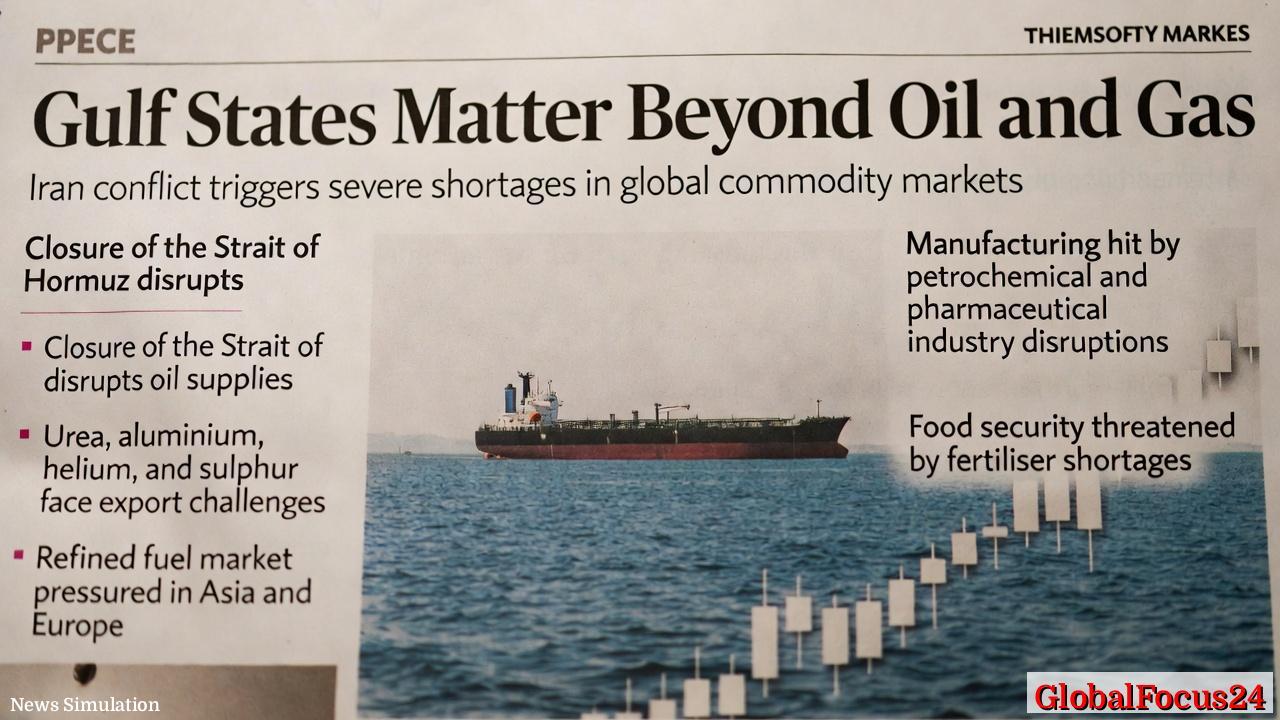
The conflict in the Gulf region, now entering its third week, is reverberating through global commodity markets and supply chains in ways not seen since major disruptions of the 2000s. With the Strait of Hormuz effectively shut or constrained by maritime blockades and export facility damages, Brent crude surged above $106 a barrel on March 16 as traders priced in the risk of prolonged disruption. The situation underscores how a single chokepoint can amplify volatility across energy, industrial inputs, and food security, even for regions far from the immediate theater of conflict.
Historical Context: chokepoints shaping global trade In the modern energy era, the Strait of Hormuz has long been recognized as a critical artery for the world’s oil. Nations across Asia, Europe, and the Americas depend on a steady flow of hydrocarbons routed through this narrow passage. The region’s strategic significance is paired with a broader pattern: global manufacturing and agriculture rely on a web of interconnected inputs sourced from a handful of geographic hubs. When a major node in that network experiences disruption—whether through war, geopolitical tension, or natural disaster—the ripple effects can travel through shipping lanes, refining capacity, petrochemicals, metals, and fertilizers.
The current conflict brings into sharp relief a parallel dynamic: many regions rely on Gulf-region electricity, gas, and chemical feedstocks to power manufacturing and agriculture. The closure of Hormuz doesn’t merely limit crude; it constrains feedstocks and intermediate products that help produce everything from plastics to pharmaceuticals to fertilizers. This is not simply a crude oil shock; it is a broad supply-shock that propagates through multiple layers of the global economy.
Energy and refined-fuel markets: a tightrope walk
- Oil prices: The immediate effect of the strait closures has been to push Brent crude higher as traders reprice risk and recalibrate supply expectations. The possibility of sustained disruption raises the prospect of longer-run price volatility, which has a deflationary or inflationary tilt depending on currency dynamics, inflation expectations, and central-bank responses.
- Refined products: Asian refineries constrained by Gulf crude access are turning to alternative grades, a process that often incurs higher processing costs and compatibility issues. This leads to reduced diesel and jet fuel output and a broader squeeze in fuels markets. Europe, historically reliant on Gulf and Asian supply routes for jet fuel, faces higher costs and potential delays, with knock-on effects for air transport schedules and consumer travel prices.
- Global tanker fleet: A portion of the global product-tanker fleet has become effectively stranded, reducing the market’s flexibility to move refined products to where demand spikes occur. This dynamic can widen price differentials between regions and increase shipping costs for importers.
- Regional price pressures: China’s decision to suspend refined-product exports serves as a counterweight to domestic fuel supply concerns but also tightens regional availability, affecting prices in hubs like Singapore. The European market, already sensitive to energy transitions and supply disruptions, faces elevated delivery costs and potential adjustments in logistics planning.
Industrial and manufacturing impact: inputs under stress
- Petrochemicals and plastics: The Gulf region accounts for substantial portions of global seaborne feedstocks, including naphtha and key plastic precursors such as styrene and polyethylene. Halts in exports translate into higher input costs and production halts for downstream manufacturers, pressuring the plastics supply chain and potentially accelerating substitution or relocation of certain activities.
- Metals and alloys: Aluminium production, a gas-intense process, has been curtailed in Gulf states due to gas shortages and disrupted raw-material imports. The London Metal Exchange has reflected price volatility, with forward prices rising as buyers seek to lock in supply amid risk. European and American buyers, who rely on Gulf metals for a sizable share of imports, are facing record premiums and timing risks that affect manufacturing costs across industries—from automotive to packaging.
- Helium supply: Qatar’s Ras Laffan complex provides a significant share of global helium, crucial for cryogenics and semiconductor manufacturing. With helium output halted, industries dependent on precise cooling and sensor technologies may confront production bottlenecks, potentially affecting semiconductor fabrication and high-tech manufacturing that rely on stable cooling systems.
- Petrochemical connectivity: The confluence of halts in crude supply, refinery processing, and petrochemical exports creates a multi-tier disruption: reduced availability of feedstocks, increased processing costs, and longer lead times for finished chemical products used in everything from consumer electronics to medical devices.
Agriculture and fertilisers: food security at risk
- Fertiliser dependence: Approximately one-third of the world’s seaborne fertiliser trade moves through Hormuz, with phosphorus, urea, and sulfur among the critical components. The Gulf is a central artery for nutrient shipments that support global crop yields. Shortfalls in urea and sulphur—rising by 35% and 40% respectively since the conflict began—raise the cost of fertilisers and threaten application rates and crop yields.
- Regional vulnerabilities: Countries with heavy reliance on Gulf fertilisers—such as Kenya, Pakistan, Somalia, Sri Lanka, and Tanzania—face elevated import costs and potential shortages. Sudan’s dependence on Hormuz for a large share of its fertiliser supplies further compounds the risk profile.
- Agricultural implications: The spring planting season in the northern hemisphere amplifies the urgency. Farmers face a three-pronged decision: absorb higher costs, reduce nutrient application, or scale back acreage for nutrient-intensive crops like corn and wheat. The short-term choices have long-run implications for yields, farm incomes, and food prices in consumer markets.
Global supply chains: the timing and the cost
- Restart timelines: Even with a potential reopening of the strait, the process of restarting idled refineries, smelters, and petrochemical facilities is likely to take months. Damaged infrastructure, heightened risk aversion among shippers, and the need to restore safety protocols all contribute to a protracted recovery period.
- Ripple effects: The immediate disruption is expected to cascade into markets through 2026 and into 2027, as production lines adapt, inventory levels adjust, and long-term procurement strategies are re-evaluated by manufacturers and governments alike.
- Regional contrasts: Europe, Asia, and the Americas face differing exposure profiles due to their distinct import mixes, refinery configurations, and dependence on Gulf versus non-Gulf supply chains. The degree of impact varies by sector, with energy, chemicals, and fertilisers showing the most acute sensitivity to the disruption.
Economic implications: a multi-sector shock
- Inflation and input costs: The convergence of higher energy prices, compressed refinery margins, and elevated raw-material costs feeds into broader inflationary pressures. Firms across manufacturing, logistics, and construction may experience margin compression or pass-through to consumers, depending on market competition and price elasticity.
- Trade balances and capital flows: Nations with significant Gulf-import dependencies could see widening trade deficits or drive diversifying sourcing strategies. Commodity markets may react with heightened volatility, influencing investment decisions, currency values, and central-bank policy considerations.
- Employment and investment: Sector-specific disruptions—such as fertiliser production, aluminium smelting, and petrochemicals—could affect jobs and capital expenditure in regions tied to those industries. Longer-term supply chain realignments may accelerate shifts toward alternate suppliers, local stockpiling, and strategic reserves.
Regional comparisons: how different economies are affected
- Europe: With substantial jet-fuel and other refined-product imports previously routed through Gulf or Asian networks, Europe faces higher costs and potential delays in aviation and manufacturing supply chains. The broader transition to energy efficiency and diversification could be accelerated by these pressures, influencing policy and corporate procurement strategies.
- Asia: Regions heavily dependent on Gulf crude and refinery feedstocks confront immediate price spikes and substitution challenges. Countries with diversified import routes and domestic refining capacity may weather short-term shocks more effectively, but the net effect is higher energy costs and potential production adjustments in chemicals, plastics, and transportation equipment.
- the Americas: North American and South American industries may experience cost pressures from elevated global fuel prices and refined-product costs. However, domestic shale and other regional energy sources could offer some insulation, depending on access to diversified feedstocks and refining capacity. The long-term implications include shifts in investment toward resilience measures, such as strategic stockpiles and diversified supplier networks.
- Africa and the Middle East: Nations within the Gulf and the Horn of Africa region face direct supply disruptions, with knock-on effects on fertilisers, metals, and other critical inputs. The economic ramifications extend to broader policy decisions around energy subsidies, industrial development, and regional trade alignments.
Public reaction and policy considerations
- Market psychology: Traders, manufacturers, and households are watching for signals about when, and if, Hormuz will reopen. The uncertainty itself becomes a cost driver, influencing purchasing lags, stockholding behavior, and long-term planning in both private and public sectors.
- Policy responses: Governments may consider measures to stabilize domestic markets, such as strategic reserves releases, subsidies or tax relief for critical industries, and increased investment in diversified supply chains. International coordination on humanitarian exemptions and safe corridors for essential goods could also shape the near-term outlook.
- Public aid and resilience: In regions facing potential shortages, public authorities may prioritize agricultural input stability, energy affordability, and essential medical supply continuity. Building resilience through diversified suppliers, regional cooperation, and improved logistics infrastructure could mitigate some risk.
What to watch next: indicators and milestones
- Strait reopening prospects: Any credible reports of de-escalation, safe passage assurances, or repair progress at critical export facilities should be monitored closely for their timing impact on markets.
- Refining capacity utilization: Tracking refinery throughput, maintenance schedules, and freight availability will provide insight into how quickly the market absorbs the disruption.
- Fertiliser and metal price trends: Street prices for urea, sulphur, and key metals like aluminium and helium will signal the pacing of recovery or further escalation in input costs.
- Agricultural planting cycles: Early-season fertilizer demand and input availability will help forecast short- and mid-term crop yields and food prices.
Strategy for businesses and policymakers
- Diversification and inventory management: Firms should assess exposure across supply chains to identify single points of failure. Building buffer stock of critical inputs, where feasible, can temper acute price spikes and delivery delays.
- Supplier resilience programs: Strengthening relationships with alternate suppliers, investing in regional production capabilities, and reducing transit times can help resilience in critical sectors such as fertilisers, chemicals, and metals.
- Pricing and hedging strategies: Enterprises facing volatility in energy and feedstock costs may benefit from prudent hedging and dynamic pricing models to protect margins while remaining competitive.
- Infrastructure investment: Public investment in transportation corridors, storage facilities, and regional interconnectors can improve market resilience and reduce bottlenecks during future shocks.
Conclusion: a fragile but navigable path forward The ongoing conflict has exposed a stark truth about the modern economy: the most basic passages of energy and feedstocks underpin a vast spectrum of activity—from manufacturing to food production to high-tech goods. While the immediate effects are severe, history shows that markets can adapt through a combination of diversification, innovation, and policy support. The next weeks will be critical for assessing whether supply chains can adjust quickly enough to avert more persistent shortages, or whether the world must brace for a drawn-out period of elevated costs and cautious procurement.
Amid the urgency, the global economy is reminded that strategic resilience depends on recognizing dependencies, investing in alternative routes and supplies, and maintaining flexible responses to evolving geopolitical risks. The path forward will hinge on coordinated action among producers, traders, governments, and the private sector to stabilize markets, safeguard critical industries, and secure the flow of essential goods for millions of households around the world.