Best Practices for Oral Health: A Comprehensive, Evidence-Based Review
Across households and clinics, one question recurs with steady frequency: what is the best way to keep your teeth healthy? The answer rests on a synthesis of routine hygiene, proven public health measures, and informed choices that reflect individual risk factors and regional conditions. This article presents a thorough, objective examination of how to maintain robust dental health, incorporating historical context, economic considerations, and regional comparisons, while avoiding political commentary. The aim is to provide practical guidance that readers can apply now, supported by widely recognized evidence and expert consensus.
Historical Context of Oral Health Practices
Modern dental care has evolved through distinct phases that illuminate why today’s recommendations look the way they do. In the late 19th and early 20th centuries, dental hygiene relied heavily on rudimentary tools and limited public health interventions. The advent of mass-market toothpaste, standardized toothbrushes, and broader access to dental services inaugurated a transformation in everyday habits. The mid-20th century introduced community flouridation as a pivotal preventive measure. Fluoride’s protective effect against tooth decay became a cornerstone of public health policy in many countries, and its integration into municipal water supplies represented a landmark in preventive medicine. Over decades, researchers have refined dosage guidelines, balancing caries reduction with considerations of potential systemic effects. In parallel, the dental profession expanded its emphasis on early intervention, sealants for children, and regimen-based care that integrates nutrition, lifestyle factors, and oral hygiene.
Today, the core elements of maintaining healthy teeth remain: diligent daily oral hygiene, access to fluoride, routine dental visits, and a lifestyle that supports oral health. While the fundamentals are stable, evolving research continually informs best practices, including how to tailor recommendations to individual needs and regional resources.
Core Principles of Personal Oral Hygiene
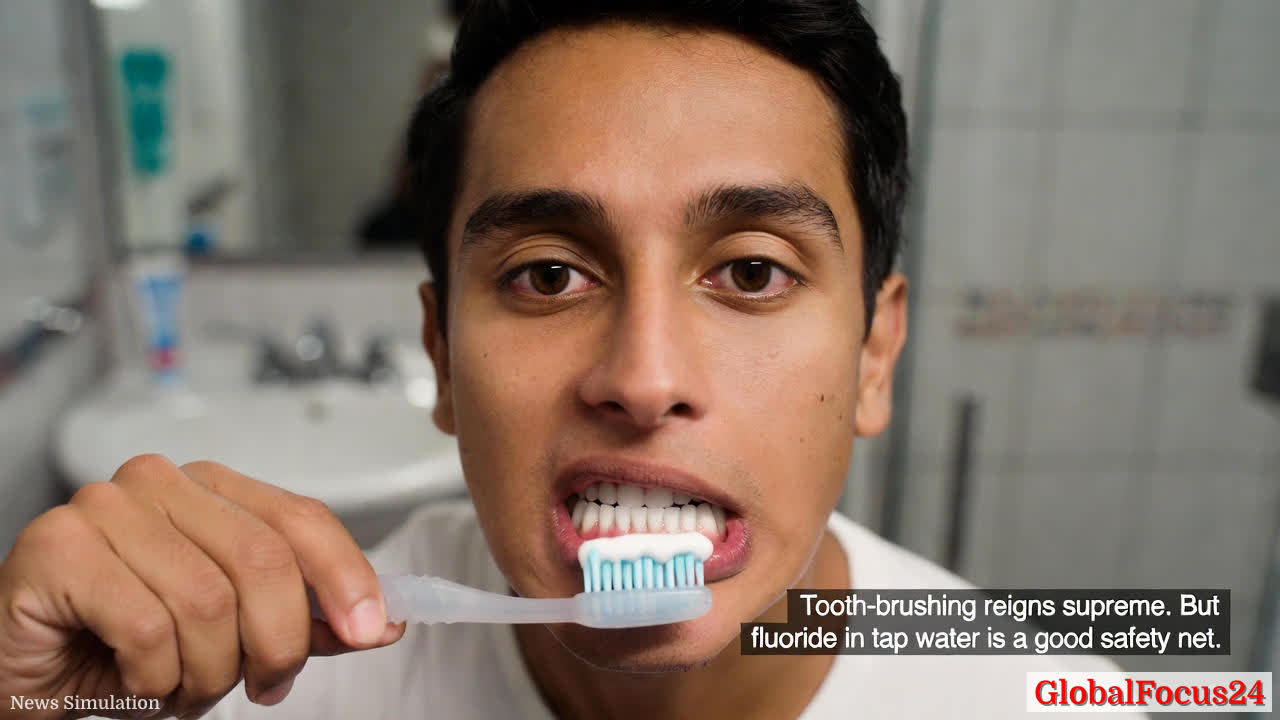
- Daily brushing with fluoride toothpaste. Brushing at least twice daily is a foundational habit that reduces plaque buildup, limits gingival inflammation, and lowers the risk of caries (tooth decay). Fluoride-containing toothpaste strengthens enamel and helps neutralize acids produced by bacteria in the mouth. The mechanical action of brushing disrupts plaque biofilms, while the chemical protection from fluoride aids remineralization of early lesions. Dentists generally recommend soft-bristled brushes to protect gum tissue and enamel, with a brushing duration of about two minutes per session.
- Flossing and interdental cleaning. Plaque tends to accumulate in interdental spaces where a toothbrush cannot reach. Regular flossing or the use of interdental brushes helps remove debris and reduces the incidence of interproximal decay and gum disease. While some debates exist about the magnitude of incremental benefit from flossing in the general population, targeted guidance suggests daily interdental cleaning for those with visible plaque, periodontal pockets, or misaligned teeth.
- Fluoride exposure beyond toothpaste. In addition to toothpaste, fluoride can come from community water supplies, mouth rinses, and professional preventive applications such as varnishes or in-office treatments. The availability of fluoride in tap water has historically contributed to broad declines in caries rates, particularly among children and populations with limited access to dental care. Regions without adequate fluoride exposure may rely more heavily on professional preventive services or alternative sources of fluoride.
- Dietary choices and timing. The frequency and kind of carbohydrate exposure influence caries risk. Limiting sugary and acidic foods and beverages, eating meals rather than grazing throughout the day, and drinking water after consuming fermentable carbohydrates can reduce enamel demineralization. Calcium- and phosphorus-rich foods support remineralization, while dairy products can provide buffering calcium and casein proteins that help neutralize acid in the mouth.
- Regular dental visits. Professional cleanings, examinations, and early detection of dental disease are essential components of an effective oral health strategy. Routine visits allow clinicians to monitor gum health, assess bite function, identify early caries, and apply preventive measures such as sealants or fluoride varnishes for high-risk individuals. The frequency of visits varies by age, risk factors, and existing conditions, but biannual check-ups serve as a widely accepted baseline in many health systems.
- Tobacco and alcohol considerations. Tobacco use is strongly linked to a higher risk of periodontal disease, tooth discoloration, and various oral cancers. Limiting or avoiding tobacco products along with moderate alcohol consumption, when applicable, contributes significantly to long-term oral health. Public health messaging has consistently emphasized these associations as part of comprehensive wellness guidance.
Regional Variations and Practical Implications
Public health infrastructure, access to dental care, and cultural practices shape how oral health is maintained across regions. The following considerations illustrate how strategies differ by locale and circumstance.
- Urban versus rural access. Urban populations often benefit from a larger concentration of dental clinics and preventive services, including school-based programs for children. Rural areas may face barriers such as provider shortages and longer travel distances to appointment sites. In both contexts, community-level interventions—public fluoridation programs, school-based sealant initiatives, and tele-dentistry efforts—help bridge gaps in access.
- Fluoride policies and impact. Many regions maintain fluoridated municipal water as a preventive measure against caries. In areas with water fluoridation, the need for additional topical fluoride products may be tailored to individual risk. Regions without fluoridation often rely more on fluoride toothpaste, varnishes, and regular professional care. Public health data from diverse locales show substantial caries reductions associated with fluoride exposure, although ongoing research continues to examine optimal concentrations and potential exposure risks.
- Socioeconomic factors. Economic constraints influence access to care and the ability to adopt preventive measures. Subsidized dental plans, community clinics, and preventive education programs play vital roles in reducing disparities. Nutrition, education, and stress-related behaviors also intersect with oral health outcomes, underscoring the importance of comprehensive public health strategies.
- Age-specific considerations. Children and older adults represent distinct risk profiles. For children, early adoption of good hygiene, fluoride exposure, and sealants can prevent decay in primary and emerging permanent teeth. For older adults, considerations include gum recession, root surface sensitivity, dry mouth due to medications, and the cumulative effects of lifelong dental care habits.
Economic Impact: Costs, Savings, and Market Dynamics
Investing in preventive dental care yields meaningful economic outcomes for individuals, insurers, and societies. The following points outline the economic dimensions of maintaining healthy teeth.
- Direct costs of preventive care versus treatment. Routine preventive services—cleanings, fluoride applications, sealants—generally cost less over time than treating advanced dental diseases such as extensive caries, gum disease, or extractions. Early intervention reduces the likelihood of complex procedures, which are often more expensive and time-consuming.
- Insurance coverage and access. Insurance design influences patient behavior. Lower out-of-pocket costs for preventive visits can motivate regular check-ups and timely treatment, while coverage limitations may discourage utilization. Value-based care models, which reward preventive outcomes and patient wellness, are increasingly considered in health system planning.
- Productivity and societal impact. Poor oral health is associated with missed work or school days, reduced productivity due to pain or discomfort, and potential psychosocial effects. Public health campaigns that emphasize prevention contribute not only to individual well-being but also to broader economic stability by reducing indirect costs.
- Industry trends. The dental materials and technology sectors have seen steady innovation, from advanced imaging techniques to minimally invasive treatment modalities. As demand for preventive care grows, markets adapt with new products that improve patient experience and outcomes, while pricing dynamics reflect regulatory environments and competition.
Historical and Contemporary Comparisons
In examining how different countries approach oral health, several patterns emerge:
- North American model. In many parts of North America, universal access to fluoridated water coupled with routine dental care forms the backbone of caries prevention. Public awareness campaigns and school-based programs have helped foster early adoption of good hygiene habits, while private and public payers influence how often people visit dentists.
- European variations. Europe presents a spectrum of approaches, from centralized public health systems with strong preventive emphasis to mixed models where private providers work alongside national health services. Fluoride exposure remains a common preventive tool, though regional policies and reimbursement structures differ.
- Global perspectives. In low- and middle-income regions, where access to professional care may be limited, community-based preventive strategies and affordable fluoride products become critical. International health initiatives often focus on education, nutrition, and basic preventive services to curb the burden of dental disease.
Integrating Scientific Findings and Practical Guidance
A recurring theme in dental science is that effective oral health depends on a combination of factors, not a single magic solution. The following actionable recommendations summarize how individuals can optimize their dental health in daily life, with an emphasis on evidence-based practice and cautious interpretation of newer findings.
- Maintain consistent brushing and flossing routines. Use a fluoride toothpaste, brush for about two minutes twice daily, and employ floss or interdental brushes to clean between teeth. Adjust the brushing technique to cover all surfaces and avoid aggressive motions that may irritate gums.
- Leverage fluoride intelligently. If you live in a community with fluoridated water, you benefit from systemic caries prevention. If not, ensure adequate fluoride exposure through toothpaste and possibly professionally applied products, as advised by your dentist. Monitor total fluoride intake to avoid excessive exposure, particularly in households with multiple fluoride sources.
- Prioritize regular dental visits. Schedule routine check-ups and cleanings at intervals recommended by your dental professional. Early detection of caries, gum disease, or bite issues can prevent more extensive interventions later and lower long-term costs.
- Make diet a pillar of prevention. Limit frequent snacking on sugary or acidic foods and beverages. Prefer meals that include balance among carbohydrates, proteins, fats, and minerals. Hydration with water and calcium-rich foods can support enamel health and saliva function.
- Be mindful of regional public health measures. If you live in an area with public fluoridation, recognize its role in population health and consult a clinician about any personal considerations, such as pregnancy or pediatric needs. If you reside in non-fluoridated regions, advocate for access to preventive services and counseling on fluoride options.
- Assess personal risk factors. Individuals with a history of frequent decay, dry mouth conditions, tobacco use, or gum disease may require tailored plans. Personalized strategies could include more frequent professional cleanings, additional fluoride applications, or sealants for children at higher risk.
A Note on Recent Scientific Discussions
Public health and scientific discussions continually evolve as new studies emerge. In recent years, there has been examination of fluoride exposure levels and potential associations with cognitive outcomes in children at high exposure levels. While these topics warrant careful, ongoing research, it is essential to interpret findings within the broader body of evidence and to balance potential risks with the well-established benefits of fluoride in reducing tooth decay. Health authorities typically emphasize that the overall population benefits from appropriate fluoride exposure when applied within recommended guidelines, and individual decisions should be made in consultation with dental and medical professionals.
Public Response and Perception
During health campaigns and policy shifts, public sentiment often shifts between concern for safety and appreciation for preventive benefits. Communities that experience noticeable reductions in tooth decay after implementing fluoridation or preventive programs tend to exhibit greater trust in public health measures. Transparent communication about both benefits and uncertainties helps sustain public confidence and encourages sustained, healthy behaviors.
Conclusion: A Flexible, Evidence-Driven Approach
Healthy teeth result from a blend of routine hygiene, scientifically supported interventions, and lifestyle choices aligned with regional realities. The historical prominence of fluoride as a public health tool reflects a successful model of population-wide prevention, while individual care plans reflect the diversity of needs across ages, health statuses, and locales. By embracing consistent brushing with fluoride toothpaste, interdental cleaning, moderated diet, regular professional care, and thoughtful consideration of fluoride exposure within local guidelines, individuals can maintain strong dental health across the lifespan. As research progresses, practitioners and patients alike can adapt, preserving the core objective: oral health that supports overall well-being, functional comfort, and confidence in daily life.