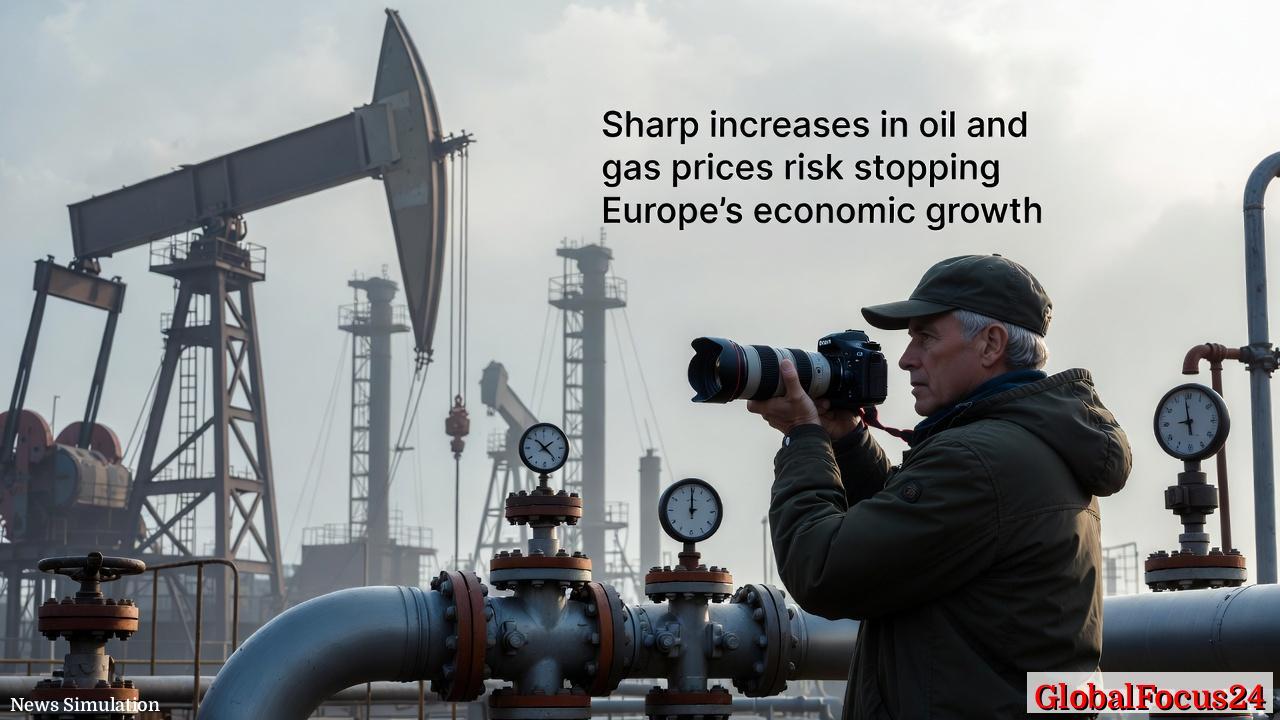
Rising Energy Turmoil Tests Europe’s Post-Crisis Recovery
European economies are again navigating a perilous energy shock, as global conflict dynamics push oil and gas prices higher and threaten to derail a fragile rebound from prior crises. In the two weeks leading up to this moment, benchmark energy metrics have surged, amplifying inflationary pressures, complicating policy responses, and prompting broader questions about Europe's industrial competitiveness in a multipolar world. While governments grapple with immediate relief measures, the longer-term implications touch upon energy security, trade balances, and regional growth trajectories.
Historical context: a pattern of energy vulnerability re-emerges
Europe’s energy story over the last decade has been defined by dependence on volatile external supplies and the quest for diversification. The 2020s brought a mix of rapid transformation and exposure to external shocks: the bloc’s push toward renewable energy and efficiency gains stood alongside continued reliance on imported gas, liquefied natural gas imports, and pipelines crossing geopolitically sensitive regions. The current crisis echoes earlier episodes where geopolitical frictions disrupted energy markets, forcing difficult policy choices. In short, Europe’s energy vulnerability is not new, but the scale and speed of the current price movements intensify both economic and social pressures.
The latest development: a new shock from global conflict
The recent turn in energy markets has been driven by a confluence of security concerns, supply disruptions, and strategic postures in the Middle East and broader globe-spanning energy routes. Oil benchmarks have climbed as producers adjust output expectations amid heightened regional risk, while natural gas prices—already elevated from the previous episodes of price volatility—have surged due to pipeline disruptions, storage concerns, and shifting demand patterns. For European consumers and industries that depend on imported gas, these price hikes translate into higher utility bills, elevated production costs, and tighter margins for energy-intensive sectors.
Economic impact: transmission through energy-intensive sectors and household budgets
- Industrial output and competitiveness: European manufacturers across chemicals, metals, cement, and other energy-intensive sectors are contending with higher input costs. The combination of pricier energy and persistent supply chain frictions translates into reduced profit margins, cautious investment, and potential relocation of some production to regions with lower energy costs. The risk is a drag on the region’s industrial base, which has historically been a backbone of economic resilience but is now navigating a higher-cost environment with faster-paced global competition.
- Inflation and consumer demand: elevated energy costs tend to propagate through the economy, affecting heating, cooling, and transportation expenses for households and businesses alike. When energy represents a larger share of household expenditures, consumer purchasing power declines, dampening demand for non-energy goods and services. If energy-driven inflation becomes persistent, central banks may face the challenge of guarding price stability without sharply stifling growth.
- government finances and policy space: energy price shocks constrain fiscal maneuverability. Governments may need to deploy targeted relief measures—subsidies, price caps, or temporary tax relief for vulnerable sectors—while preserving incentives for energy efficiency and clean-energy investments. The trade-off often involves balancing short-term relief with long-run goals of energy security and decarbonization.
Regional comparisons: where Europe stands in a crowded global landscape
- North America: The United States and Canada benefit from relatively flexible domestic energy markets and diversified energy portfolios. While European-style energy price volatility is less pronounced on the continent due to more integrated domestic production, global price movements still feed into regional markets via trade and financial channels. American tariffs and global supply chains complicate European access to affordable goods, reinforcing the importance of a robust internal market and resilience in energy supply chains.
- Asia-Pacific: Energy demand in Asia continues to rise, intensifying competition for global energy supplies. Countries in the region have pursued a mix of imports, strategic reserves, and domestic energy investments to cushion against external shocks. For Europe, the challenge is twofold: maintaining access to affordable energy while competing for global investment in green technologies and diversifying supply routes.
- Middle East and North Africa: The region remains a central node in global energy flows, with geopolitical tensions often reverberating across international markets. European economies, which import a significant portion of their energy, are especially sensitive to price movements and disruptions in this theater. The current crisis underscores the interdependence between regional security dynamics and European economic performance.
Policy responses: balancing short-term relief with long-term resilience
- Energy market stabilization: governments are weighing short-term measures to ease household energy bills and support critical industries. Price stabilization mechanisms, targeted subsidies, and temporary caps can provide immediate relief, but they must be designed to avoid fuelling long-term inefficiencies or distorting investment signals in the energy transition.
- Diversification and resilience: the crisis reinforces the imperative of diversifying energy supply sources. This includes expanding LNG import capacity, accelerating interconnections across national grids, and accelerating the deployment of renewable energy projects and energy storage. A resilient system reduces the severity of price spikes and enhances security in the face of geopolitical disruptions.
- Efficiency and demand-side measures: programs that curb demand during peak periods and improve energy efficiency deliver compounding benefits. Reforms that encourage industrial energy audits, smart-meter adoption, and building retrofit programs help reduce sensitivity to external price swings and lower overall energy intensity.
- Strategic reserves and market transparency: maintaining and expanding strategic energy reserves, coupled with transparent market data, can dampen volatility. By providing reliable buffers and clearer price signals, authorities can mitigate panic-driven responses and support more predictable investment planning.
Public reaction and social implications: the human dimension of an energy shock
- Household experiences: families facing higher heating bills, commuting costs, and higher grocery prices feel the direct impact of energy volatility. Public sentiment often centers on affordability, reliability, and the ability of government programs to shield vulnerable populations from hardship.
- Business sentiment: manufacturers and service providers weigh cost pressures against revenue opportunities. The energy shock can spur innovations in efficiency and demand management, but it can also trigger adjustments in hiring and investment plans if uncertainty remains elevated.
- Political implications: while policy discussions naturally turn to energy strategy and economic resilience, the focus remains largely on pragmatic measures that cushion the present while enabling a faster, cleaner transition in the future. The emphasis is on steady, evidence-based responses that help maintain public confidence without tilting into hyperbole or partisanship.
Regional resilience: drivers of recovery and potential bottlenecks
- Infrastructure readiness: well-maintained energy infrastructure and cross-border interconnections enable more flexible responses to price shocks. Regions with integrated grids and diversified supply lines are better positioned to absorb disruptions without compromising reliability.
- Market integration: deeper energy-market integration within Europe can help dampen price swings through shared risk and competitive pricing. This requires harmonized policy frameworks, robust regulatory oversight, and investment in cross-border transmission capacity.
- Innovation ecosystems: the pivot toward clean energy, storage technologies, and digitized energy management systems strengthens long-run resilience. Regions that nurture research, development, and deployment in these fields may gain a competitive edge as markets normalize and demand for advanced energy solutions grows.
Outlook: cautious optimism with a prerequisite of coordinated action
- Short-term trajectory: if the current shock persists, inflationary momentum could test the boundaries of monetary policy and fiscal sustainability. Central banks will carefully calibrate policy moves to avoid stifling growth while keeping price stability in view.
- Medium-term trajectory: diversification, efficiency gains, and investments in renewable energy and storage are likely to contribute to a gradual stabilization of energy costs and a reduction in vulnerability to external shocks. The pace of this transition will be crucial for regional competitiveness and social cohesion.
- Long-term trajectory: a sustained push toward energy independence, coupled with competitive industrial policies, can strengthen Europe’s economic position in a rapidly evolving global energy landscape. The key is to maintain a credible, data-driven approach that aligns energy security with environmental and economic goals.
Key takeaways for businesses and households
- Prepare for continued volatility: energy price swings may persist in the near term, so strategic hedging, contingency planning, and adaptive budgeting are essential for both corporate and household finance.
- Invest wisely in efficiency: long-run cost savings from energy efficiency improvements can offset higher input costs. Consider upgrading facilities, adopting smart energy management, and pursuing incentives for green investments.
- Leverage diversification: expanding supply options and building regional resilience through interconnections can mitigate exposure to single-source disruptions.
- Monitor policy developments: a coherent mix of market reforms, price relief measures, and decarbonization incentives will shape the operating environment for years to come. Staying informed helps businesses adjust strategies promptly.
Conclusion: navigating a fragile moment with a focus on resilience
Europe stands at a crossroads where geopolitical tensions, energy market dynamics, and economic fragility intersect. The region’s ability to weather the current energy shock without derailing growth will depend on a combination of immediate relief measures, strategic diversification, and sustained investment in efficiency and clean energy. History shows that resilience is built not by insulation from external shocks alone, but by the capacity to adapt—through infrastructure upgrades, smarter policy design, and a robust industrial base ready to compete in a high-price, high-ambition energy era. As Europe pursues that path, the world watches how effectively the continent can balance energy security, economic vitality, and the long arc of its climate commitments.