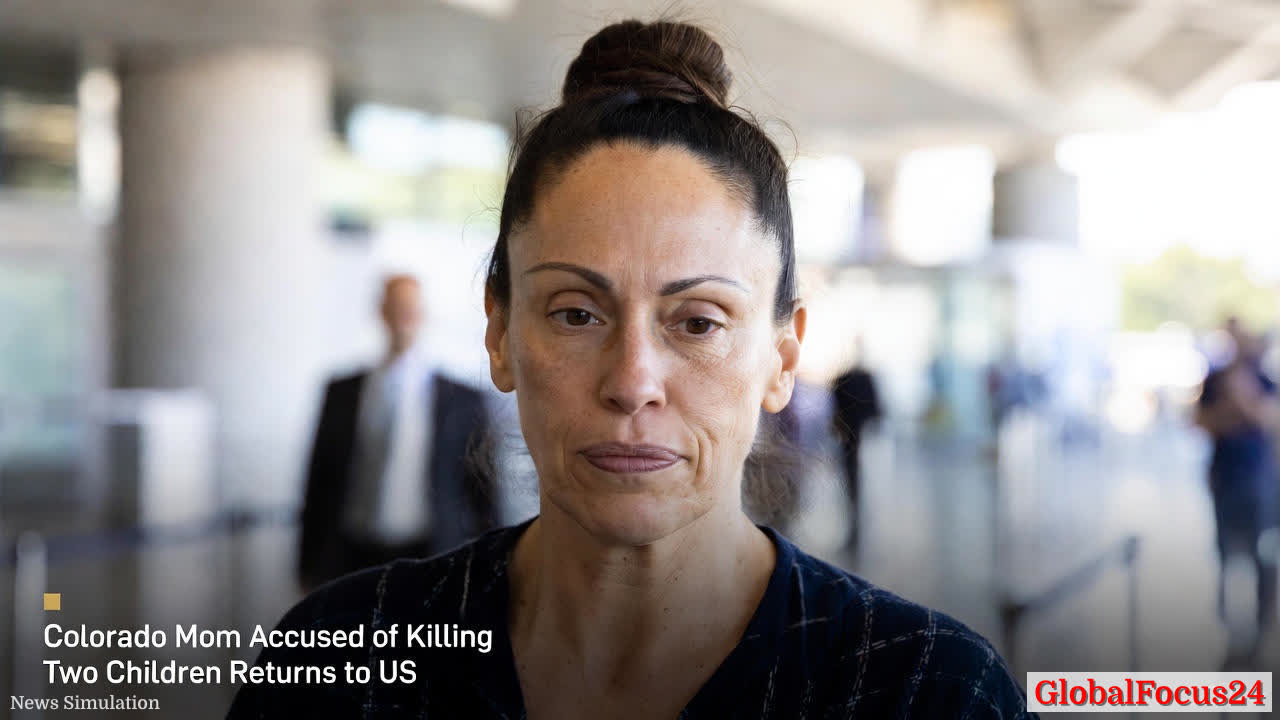
Colorado Mom Extradited to Face Murder Charges in Colorado Springs Case
A Colorado mother extradited from the United Kingdom to stand trial on two counts of first-degree murder, along with attempted murder and first-degree assault, returned to the United States this week amid a highly charged custody dispute that gripped Colorado Springs and echoed across regional courts. Kimberlee Singler, 36, touched down on U.S. soil after a protracted legal journey that involved multiple appeals and international legal questions about potential life imprisonment under European human rights standards. The case, which centers on a December 2023 tragedy in which two of Singler’s children were killed and a third was severely injured, has raised difficult questions for local prosecutors, social services, and families navigating fraught custody battles.
Extradition and charges
Singler’s extradition marks a critical turn in a case that began during a contentious custody dispute with her ex-husband, who had recently been granted expanded parenting time. Colorado authorities contend that on December 18, 2023, Singler carried out a fatal stabbing in their Colorado Springs apartment, killing her nine-year-old daughter and seven-year-old son and severely injuring an 11-year-old daughter. After the attack, she allegedly contacted police and claimed a burglary, drawing initial inquiries away from the true motive and casting doubt on early statements to investigators. An arrest warrant followed, and Singler fled the country before charges could be formally lodged in the United States.
Her return to face trial was delayed by a series of legal challenges, including arguments that a potential life sentence would be incompatible with European human rights standards. A December 2023 apprehension in London set the stage for years of procedural wrangling, but a November ruling denying the appeal cleared the path for Singler’s U.S. prosecution. The extradition process underscores how cross-border legal frameworks intersect with domestic homicide prosecutions when allegations arise from private domestic disputes that attract national attention.
Context and background
The December 2023 incident occurred amid a broader context of custody disputes that have, at times, escalated into high-stakes legal battles in courts across the country. In many such cases, judges have sought to balance parental rights with child safety, sometimes triggering court orders and supervised visitation arrangements designed to protect children while maintaining family ties. The Singler case has become a focal point for discussions about safeguarding vulnerable children in turbulent custody proceedings and the resources that families and communities allocate to mediating disputes before they escalate to violence.
Experts note that custody-related tensions can amplify stress for all parties involved, including the children, who may experience anxiety, fear, or uncertainty about living arrangements and parental behavior. In this case, investigators and prosecutors have emphasized that the alleged crime occurred during a period of enforced parental access, complicating the narrative around intent and accountability. The public reaction has reflected a mix of grief for the victims, concern for surviving family members, and questions about how best to identify warning signs in similar situations.
Legal pathways and regional implications
The case illustrates how extradition operates in practice when a defendant faces severe charges in the United States and seeks asylum through international channels. Legal experts say extradition decisions hinge on established treaty frameworks, the availability of credible evidence, and assurances about fair proceedings in the country seeking extradition. The Colorado prosecution team has stated that they will pursue a rigorous, evidence-based case to secure a conviction and ensure justice for the victims while respecting due process and the rights of the surviving family.
The broader regional landscape includes state prosecutors collaborating with federal authorities to manage complex cases that intersect with family law, criminal law, and international law. The extradition process often prompts discussions about resource allocation for homicide investigations, forensic analysis, and the preservation of sensitive information related to the surviving child. In the Singler case, authorities have publicly stressed the importance of privacy and protection for the injured daughter, who is now navigating the aftermath of the trauma in a safe and supportive environment.
Economic and social impact
High-profile homicide cases reverberate beyond the courtroom, shaping local public safety priorities and community trust in institutions. The Singler case has contributed to local discussions about the effectiveness of custody mediation services, mental health resources for families undergoing legal battles, and the availability of protective services to intervene before disputes escalate to violence. While the court is the primary venue for determining accountability, the case also highlights the ancillary costs associated with violent crime, including forensic investigations, legal defense, victim support services, and the long-term care required for surviving family members.
In the Colorado Springs region, policymakers and service providers have historically emphasized a coordinated approach to child welfare that integrates legal processes with social services, mental health support, and family counseling. The incident in question underscores the ongoing need for robust intervention mechanisms in high-conflict custody disputes, including clear pathways for reporting concerns, rapid risk assessments, and transparent communication with families involved in custody proceedings.
Historical context and regional comparisons
Across the United States, custody-related homicides are rare but have profound and lasting effects on communities. Historical analyses of similar cases show a recurring pattern: disputes over parenting time can escalate when emotions run high, sometimes catalyzing tragic outcomes. Regions with strong social services infrastructure and accessible mental health resources often face these crises with a combination of courtroom action and community-based support. Comparisons with other metropolitan areas reveal varying approaches to preventing violence in the context of child custody battles, from early intervention programs to coordinated crisis response teams.
The Singler case also invites comparisons with international responses to similar tragedies. Europe’s human rights framework, which has been cited in legal challenges to extradition or sentence planning, often requires a careful balance between protecting individual human rights and delivering justice for victims. These international considerations shape how domestic prosecutors plan trials, present evidence, and communicate with the public about the case. As the judicial process unfolds, observers will watch for how these cross-border legal dynamics influence trial strategies, sentencing options, and post-conviction oversight.
Public reaction and the path forward
Public reaction to this case has been intense, with community members calling for greater transparency in court proceedings, enhanced protective measures for children during custody disputes, and stronger support networks for families dealing with high-conflict separations. Advocates emphasize the importance of accessible counseling, mediation services, and crisis hotlines that can provide timely assistance to families under stress. Law enforcement authorities, meanwhile, repeatedly stress that accountability through the legal process remains central to preventing further tragedies and restoring public confidence in the system.
As Singler returns to face trial, the legal proceedings are expected to proceed with a focus on the evidence surrounding the alleged intent, the timeline of the events, and the precise actions taken on December 18, 2023. Prosecutors are likely to present forensic findings, eyewitness testimony, and documentary evidence related to the custody arrangement and communications surrounding the day of the attack. The defense, meanwhile, will have opportunities to challenge the state’s case, raise questions about mental health considerations, and contest any procedural issues that arise during the extradition and trial processes.
Surviving family and victims’ support
The surviving 13-year-old daughter—who was present during the events and who has since faced the dual burden of trauma and public scrutiny—remains at the center of the family’s healing journey. District Attorney Michael Allen, during a recent press conference, emphasized the need to protect the young survivor’s privacy while ensuring that her voice remains respected within the legal process. Support from social workers, therapists, and legal guardians will be crucial as the family navigates extended media attention and the ongoing legal proceedings.
In the aftermath of such crimes, communities often reflect on the resilience of families and the role of institutions in providing ongoing support. Local shelters, counseling services, and child advocacy groups typically mobilize to address the emotional and logistical needs of those affected. The case also serves as a reminder to communities about the importance of early intervention programs and accessible resources for families facing complex custody disputes, highlighting the interconnected duties of law, social services, and community networks.
Conclusion
As Kimberlee Singler faces trial on charges that carry significant potential penalties, the Colorado Springs case stands as a somber reminder of the human costs embedded in custody disputes and the imperative of safeguarding vulnerable children. The extradition and subsequent legal proceedings reflect a coordinated effort among domestic and international authorities to pursue justice while navigating the complexities of cross-border law. For families in similar situations, the case reinforces the importance of seeking timely help, accessing protective services, and engaging with trained professionals who can offer guidance through the hardest moments of family separation and conflict. The coming months will be crucial in determining accountability, the resolution of the surviving family’s needs, and the broader lessons that communities can apply to prevent tragic outcomes in the future.