China’s South China Sea Dredging Surge: Antelope Reef Transformation Signals Strategic Shift
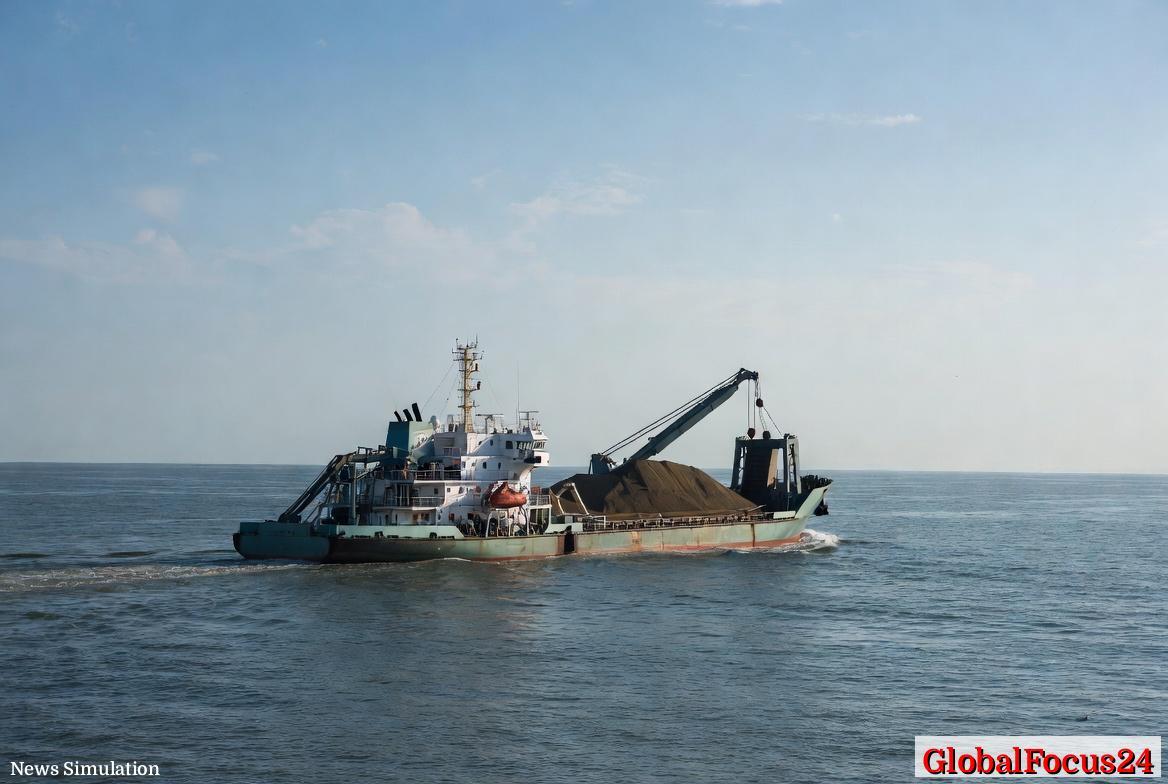
In late 2025, satellite observers detected a renewed surge in dredging activity at Antelope Reef in the Paracels, marking a dramatic departure from a decade-long pause in large-scale island-building in the region. By early 2026, a fleet of more than 20 cutter-suction dredgers had carved roughly six square kilometers of new land from the lagoon and adjacent seabed, reshaping a submerged feature into a substantial artificial outpost. The scale and speed of the project have drawn global attention to the South China Sea, where multiple coastal states maintain overlapping territorial and maritime claims.
Historical Context: A long arc of contested reclamation
- The Paracels have long been a focal point of tension in the South China Sea, with China asserting near-total control despite competing claims from Vietnam and Taiwan, among others.
- In the past decade, many countries observed a pause in large-scale reclamation after international scrutiny, changing military balance dynamics but not the underlying strategic calculus. Antelope Reef’s rapid transformation represents a notable reversal in that trend.
- The development sits within a broader pattern of how littoral nations project power in contested waters, leveraging artificial islands and advanced naval infrastructure to extend reach, improve surveillance capabilities, and influence maritime access.
What the buildup implies: Infrastructure and potential uses
- A long runway-like structure, measured at about 2,700 meters, has emerged along a straight edge on the new land—an asset that could accommodate multiple categories of air traffic and aircraft types.
- The presence of jetties and berths for roll-on/roll-off vessels indicates a robust logistics backbone, enabling sustained supply and personnel movement independent of natural harbor conditions.
- A concrete plant and other manufacturing or storage facilities suggest the capacity to support ongoing construction, maintenance, and deployment of equipment over extended periods.
- A helipad and a cluster of support structures hint at operations that extend beyond routine civilian purposes, potentially including military reconnaissance, rapid response, and field logistics.
Regional and economic implications: Shifts in maritime dynamics
- The creation of a sizable artificial landmass with substantial supporting infrastructure may alter maritime access patterns, affecting nearby shipping routes, fishing zones, and search-and-rescue responsibilities.
- Increased capacity to accommodate larger naval vessels, including submarines, could modify deterrence dynamics in the central from to the western reaches of the South China Sea, influencing how nearby economies and defense planners model risk and protection of sea lines of communication.
- The project’s economic ripple effects extend beyond the immediate area: local supply chains may benefit from demand for construction materials, fuel, and skilled labor, while regional insurers, insurers and financing institutions observe elevated risk premiums tied to heightened geopolitical tension.
Regional comparisons: How Antelope Reef stacks up
- In scale terms, the current project surpasses previous island-building efforts at other disputed features in the region, where reclamation activities typically emphasized smaller platforms or protective features rather than substantial new landmasses combined with full-service infrastructure.
- By integrating a full suite of logistical and aviation capabilities, Antelope Reef’s footprint stands out as a more complete forward operating facility than many earlier outposts in adjacent waters.
- For neighboring economies, the contrast between de facto control at the reef and recognized sovereignty claims elsewhere underscores the complexity of regional governance, where de facto presence and legitimate jurisdiction may diverge.
Environmental and legal considerations: Uncertain impacts and governance questions
- Large-scale dredging and land reclamation inevitably raise questions about ecological consequences for marine habitats, sediment dynamics, and water quality, including effects on coral ecosystems and local fisheries.
- The South China Sea presents a patchwork of legal claims under international law, with overlapping interpretations of territorial waters, exclusive economic zones, and historic rights. New infrastructure testing boundaries could influence arbitration timelines, diplomatic engagement, and negotiations among claimant states.
- Global stakeholders watch nearby shipping lanes and regional security architectures for any shifts in risk profiles, including implications for port operations, weather routing, and insurance markets.
Public reaction and broader context: Signals of urgency
- Local communities and regional maritime industries have varied responses, balancing concern over environmental impacts with recognition of potential economic opportunities tied to improved access and services.
- International observers often frame rapid reclamation as a strategic signal in a high-stakes arena, where the speed and scale of physical change can affect defense planning, alliance calculus, and regional stability perceptions.
- Public discourse may focus on the tension between infrastructure development and adherence to norms around peaceful dispute resolution and environmental stewardship—areas where diplomatic channels and confidence-building measures matter.
Economic impact: Short-term and long-range effects
- Construction activity tends to boost demand for ship fuel, cement, aggregates, and specialized equipment, generating employment and revenue for local suppliers and logistics providers.
- In the longer term, the presence of a substantial arming and support facility could influence regional trade patterns, insurance costs for vulnerable sea lanes, and the strategic calculus of neighboring nations when assessing security investments and port modernization programs.
- Touristic and recreational implications are limited in the contested zone, but adjacent coastal economies might experience shifts in port activity and service offerings as new demand centers develop in response to changing mobility and security considerations.
Geopolitical context: The balance of power in the South China Sea
- The South China Sea remains one of the most densely watched strategic theaters globally, where seaborne commerce, natural resources, and national pride intersect with international law and regional security architectures.
- The Antelope Reef project aligns with broader patterns of assertive maritime posture by claimant states seeking to solidify presence and deter challenges to sovereignty claims, while other regional players pursue diplomacy and multilateral mechanisms to manage friction and prevent escalation.
- The development’s trajectory will likely influence future negotiations, joint-development proposals, and regional confidence-building efforts designed to stabilize access to fisheries, energy resources, and safe shipping corridors.
What comes next: Monitoring, diplomacy, and vigilance
- Satellite and maritime intelligence will continue to track additional phases of construction, changes to the facility’s layout, and any deployment signals that could indicate intended roles beyond civil use.
- Policymakers, defense analysts, and regional allies will evaluate implications for alliance foundations, joint exercises, and contingency plans to preserve freedom of navigation and overflight in accordance with international law.
- Environmental monitoring and international cooperation initiatives may be pursued to address ecological concerns and establish baseline data for long-term impact assessments.
Conclusion: A pivotal development with broad repercussions Antelope Reef’s resumption of large-scale dredging and rapid land reclamation marks a significant moment in the ongoing evolution of the South China Sea’s security landscape. By transforming a submerged reef into a substantial artificial outpost with aviation, logistics, and potential military capabilities, the project underscores the enduring importance of sea power, strategic signaling, and regional governance in this highly navigated and economically vital transit corridor. As economic activity adapts to new infrastructure and regional claims continue to evolve, observers will be watching closely how this development influences maritime policy, regional stability, and the global maritime order over the coming years.