Venomous Spiders Across America: Understanding Their Habitats and Growing Encounters
Rising Awareness of Venomous Spider Habitats
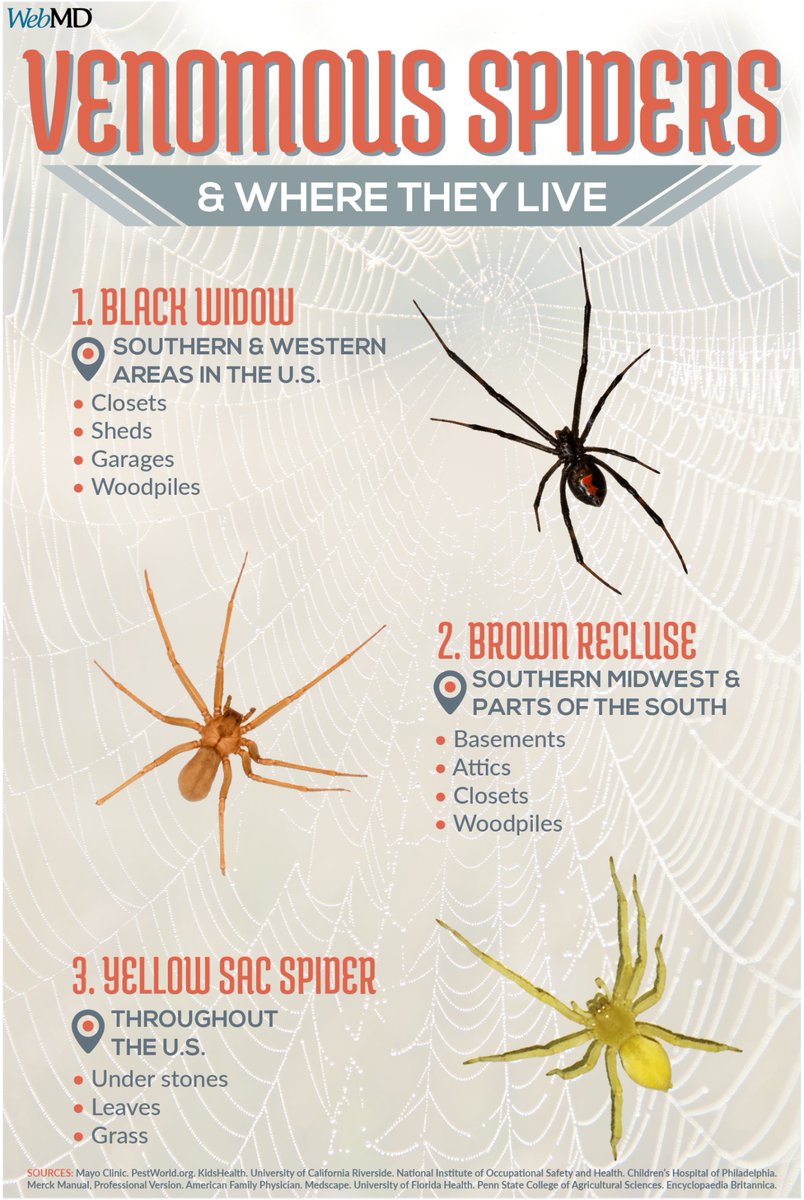
In recent weeks, new research has brought renewed attention to the habitats and habits of three of the most medically significant venomous spiders in the United States: the black widow, the brown recluse, and the yellow sac spider. As urban sprawl encroaches further into rural landscapes, experts are urging greater awareness about where these spiders reside and how to avoid dangerous encounters.
Venomous spiders in the U.S. have long been a subject of fascination and fear, and for good reason. While deaths from spider bites remain rare, the pain, swelling, and necrotic reactions caused by certain species can make even ordinary household chores risky. These arachnids, once primarily concentrated in rural or undisturbed environments, are now increasingly found in suburban yards, garages, and even inside homes.
The Black Widow: The Icon of North American Venom
The black widow spider (Latrodectus mactans) is perhaps the most recognizable venomous spider in the United States. Glossy black with a distinctive red hourglass marking on the underside of its abdomen, the female black widow is notorious for her potent neurotoxic venom. Although bites are rarely fatal, they can cause severe pain, muscle cramps, nausea, and sweating.
Black widows thrive in warmer climates, with large populations ranging across the southern and western United States, including states such as California, Arizona, Texas, and Florida. They often seek out dark, undisturbed places—closets, sheds, garages, crawl spaces, and woodpiles. Their irregular, tangled webs can usually be found low to the ground, near corners or crevices.
Historically, the black widow has maintained a consistent presence in North America’s agricultural and desert regions. With modern housing and increased construction along the southern belt, these spiders have adapted to suburban life, especially where abundant insect prey and secluded nesting spots exist. Seasonal temperature fluctuations, particularly in early summer and late autumn, often drive them closer to human dwellings as they seek stable shelter.
The Brown Recluse: The Hidden Danger of the Midwest and South
The brown recluse (Loxosceles reclusa) is a more elusive but equally concerning species. It thrives primarily in the southern Midwest and parts of the South, with a strong presence in states such as Missouri, Arkansas, Oklahoma, and Tennessee. Identified by the violin-shaped mark on its back, the brown recluse prefers to hide—true to its name—in dark, undisturbed areas such as basements, attics, closets, and behind furniture.
Unlike the web-building black widow, the brown recluse is a wandering hunter, leaving its hiding spot at night in search of prey. Its venom contains necrotic agents that can cause tissue death around the bite area. Although most bites result in mild symptoms, severe cases can lead to open lesions and secondary infections if untreated.
Historically, the brown recluse gained notoriety in the 20th century as urban development expanded through its native range. Reports of bites have sometimes been exaggerated or misdiagnosed, as its reclusive habits make direct encounters uncommon. However, accidental bites typically occur when humans disturb stored clothing, boxes, or firewood—a reminder of the importance of caution in seldom-used spaces.
In recent years, mild winters and prolonged warm seasons have extended the active period of this species. As climate trends shift, some researchers suggest that brown recluse populations may expand northward, although they remain poorly adapted to cold environments compared to black widows.
The Yellow Sac Spider: The Most Widespread Invader
Among venomous spiders found in the United States, the yellow sac spider (Cheiracanthium inclusum) may be the most widely distributed. Present across nearly all continental states, this small, pale-yellow spider is known for causing a significant share of spider bites reported in residential settings. Its presence extends both indoors and outdoors—beneath stones, leaves, and grass, as well as along ceilings, wall corners, and window frames.
Yellow sac spiders do not rely on web traps. Instead, they build silken sacs or retreats, often visible in wall crevices or vegetation. Their bites, though seldom severe, can cause localized pain, itching, and swelling. Unlike the shy brown recluse, these spiders are more likely to come into contact with people, particularly at night when they actively hunt for prey.
These spiders have adapted exceptionally well to human environments, even appearing in automobiles and household furniture. Their versatility across climates—from humid coastal regions to cooler northern states—illustrates their evolutionary advantage. Some agricultural experts note that yellow sac spiders, while venomous, also play a role in pest control, feeding on crop-damaging insects.
Understanding Why Encounters Are Increasing
The rise in reported spider sightings and bites in recent years may be linked to several environmental and social factors. Urban expansion, climate change, and changes in building materials have all contributed to altering the habitats where spiders once lived undisturbed.
- Warmer temperatures extend breeding seasons and increase prey abundance, allowing spiders to thrive longer each year.
- Deforestation and land development reduce natural shelters, prompting many spider species to adapt to man-made structures.
- Increased media attention and awareness campaigns have also led to more accurate identification and reporting, distinguishing true spider bites from unrelated skin reactions.
Moreover, storage practices can inadvertently create ideal conditions for spider habitation. Cardboard boxes, piles of old clothing, and stacked wood offer dark voids similar to their natural hiding places. As more people work from home or spend time in household workshops and garages, the likelihood of crossing paths with venomous species grows.
Public Safety and Prevention Measures
Authorities and entomologists emphasize that the majority of spiders are harmless and that even venomous species rarely attack unless threatened. Preventive actions remain the most effective defense against bites.
Key recommendations include:
- Keeping areas around the home clean and clutter-free, particularly basements, attics, and storage sheds.
- Wearing gloves and long sleeves when reaching into confined or dusty spaces.
- Shaking out clothing, shoes, and blankets that have been unused for long periods.
- Sealing cracks and gaps around windows, door frames, and foundations.
- Using yellow or sodium vapor outdoor lights, which attract fewer insects and thus fewer spiders.
Pest control professionals also suggest carefully vacuuming visible webs and egg sacs and applying insecticidal dust in difficult-to-reach spaces if infestations occur. Residents in regions known for these spiders are advised to familiarize themselves with their appearance to better distinguish dangerous specimens from harmless ones.
Regional Comparisons and Broader Context
North America is home to thousands of spider species, yet only a few pose a genuine medical risk to humans. Compared to other venomous animals, such as snakes or scorpions, spider-related fatalities in the U.S. are extremely low—typically fewer than five per year. This stands in stark contrast to regions such as Australia or South America, where species like the Sydney funnel-web or Brazilian wandering spider are more frequently implicated in severe envenomations.
Still, the cultural perception of venomous spiders remains potent across the United States. From legends of black widow bites paralyzing field workers in the early 20th century to modern online myths about brown recluse infestations, fear of spiders reflects both historical memory and misunderstanding. Scientists continue to stress education and proper medical guidance as tools to reduce panic and promote coexistence.
Medical Treatment and Modern Research
Advancements in toxicology and emergency medicine have improved outcomes for spider bite victims. Most black widow bites are now treated effectively with antivenin or muscle relaxants, and brown recluse wounds can often heal with proper wound care and antibiotics. Over-the-counter remedies, such as ice packs and antihistamines, can help with yellow sac spider bites that result in localized swelling.
Ongoing research is exploring the chemical properties of spider venom, revealing potential medical benefits ranging from pain relief to neurological therapies. Certain venom compounds are being studied for their potential role in treating chronic pain and cardiovascular disorders, suggesting that these much-feared predators could one day contribute to pharmaceutical innovation.
A Delicate Balance Between Fear and Respect
Spiders are essential components of ecosystems, controlling insect populations that threaten crops and public health. Yet, public apprehension toward venomous spiders persists, often fueled by misunderstanding. Experts stress that recognition and caution, rather than eradication, are key to safe coexistence.
By understanding where black widows, brown recluses, and yellow sac spiders prefer to live—and how to avoid their habitats—Americans can reduce the risk of bites while appreciating the ecological role these arachnids play. As changing weather patterns and human expansion continue to reshape their living spaces, awareness remains the first line of defense against fear and misfortune alike.