DEBT OUTLOOK AND REGIONAL IMPACT: A U.S. ECONOMIC LANDSCAPE IN THE NEXT DECADE
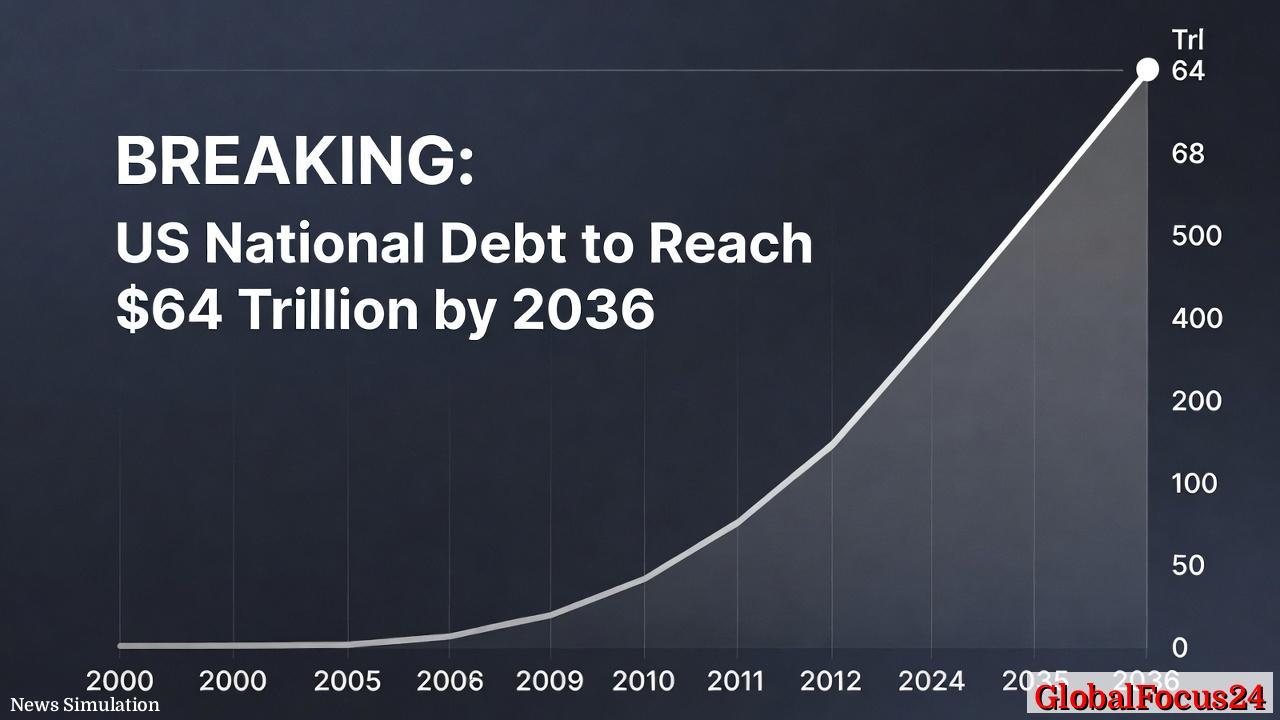
The United States’ public debt trajectory is projected to rise markedly over the next ten years, with debt outstanding expected to climb from about 39 trillion dollars in 2026 to roughly 64 trillion by 2036. This ascent translates to an average annual increase of around 2.4 trillion dollars, underscoring a persistent borrowing need amid evolving fiscal and economic conditions. The pattern, already evident in recent years, suggests a sustained upward curve as policy choices, demographics, and growth dynamics intersect to shape the federal balance sheet.
Historical context: tracing the debt path Longer-run debt dynamics are rooted in postwar fiscal architecture, where deficits expanded during periods of economic stress, wars, and expansive social programs, then sometimes moderated during stronger growth phases. The current decade follows a comparable arc: macroeconomic shocks, large policy initiatives, and ongoing mandatory spending contribute to borrowing requirements even as nominal economic output grows. Understanding this history helps frame today’s debt numbers as part of an ongoing fiscal challenge rather than a sudden anomaly. The debt path is influenced by variables such as GDP growth rates, interest costs, entitlement spending, and revenue collection, all of which interact to push or pull the deficit. This historical backdrop provides essential context for policymakers, markets, and households as they assess risks and appetite for sustained debt servicing.
Economic implications: growth, interest, and investment
- Interest costs and debt service: as the debt stock expands, so does the government's obligation to service it. Higher interest rates raise annual debt service payments, potentially crowding out other spending priorities or necessitating higher taxes or changes to spending programs. This dynamic matters for lenders, borrowers, and credit markets, where pricing and risk assessments hinge on the government’s debt affordability. The evolution of interest rates over the coming decade will thus be a critical determinant of total debt sustainability.
- Growth and productivity: debt levels interact with macroeconomic performance in complex ways. In theory, financing productive investments can bolster growth, but high and rising debt can also pressure long-run growth if it leads to higher borrowing costs or tax burdens. Regions with robust economies and diversified industries may better absorb debt-related pressures, while sectors reliant on public investment may experience shifts if borrowing constraints tighten.
- Inflation and policy flexibility: a rising debt burden can influence monetary and fiscal policy choices. If the economy faces a demand shock, policymakers may weigh the trade-offs between stimulating growth and containing inflation, with debt dynamics shaping the policy space. Market participants closely monitor how debt trajectories influence expectations about future policy paths, which in turn affect investment decisions and consumer confidence.
Regional considerations: California in context
- California’s economic profile: as a leading state economy, California embodies broad-based strengths in technology, healthcare, higher education, and international trade. The state’s size, diversity, and global links mean that federal fiscal decisions reverberate here with particular intensity, affecting public services, infrastructure, and workforce development. In a high-debt environment, California may prioritize investment in areas that yield long-term productivity gains, while balancing fiscal discipline with the need to maintain essential services.
- Local borrowing and capital markets: municipal finance in the state interacts with national debt dynamics. Local governments rely on state and federal support for infrastructure and social programs, so shifts in federal borrowing costs and budgetary flexibility can influence state and local investment plans. This interdependence underscores the importance of monitoring not only federal debt but its spillovers into state finance and regional development.
- Economic resilience and diversification: California’s diversified economy can cushion some debt-related pressures, as broad productivity growth helps sustain tax revenues and reduce per-capita debt burdens. Conversely, if borrowing costs rise sharply or if federal support tightens, sectors with lower margins or higher volatility could face greater funding challenges, potentially affecting employment and regional competitiveness.
Comparative lens: how debt signals differ across regions
- Urban vs. rural dynamics: metropolitan regions with high productivity and dense labor markets may experience different fiscal realities than rural areas where tax bases and public service demand diverge. Debt-related costs, including interest on bonds for infrastructure projects, can impact urban investment strategies and regional planning priorities.
- State-level debt and responsibilities: while the analysis centers on federal debt, state and local debt profiles vary widely. Some states maintain conservative borrowing practices and strong reserve funds, which can influence how resilient their economies are to shifts in federal policy or interest rates. Regions with healthier balance sheets may navigate debt transitions with greater agility.
- Trade exposure and supply chains: regions with heavy exposure to international trade or technology-driven manufacturing could see debt implications magnified by shifts in federal fiscal policy, defense spending, or infrastructure investments. Assessing debt through the regional lens helps policymakers anticipate where funding priorities and support may be most impactful.
Impacts on households and business decision-making
- Household financing: a rising national debt can influence mortgage rates, loan availability, and credit conditions. If debt concerns translate into tighter financial conditions, households might adjust spending, saving, or homebuying decisions accordingly. For households in California, where housing costs and living expenses are already elevated, the sensitivity to rate changes may be pronounced.
- Business investment: corporate balance sheets and investment plans respond to the macroeconomic environment shaped by debt dynamics. Companies may weigh the costs of borrowing against expected returns from capital projects, research and development, or expansion plans. Access to financing and investor confidence are linked to the broader fiscal outlook, influencing sectors ranging from technology to manufacturing.
- Public services and infrastructure: as the debt path influences government budgets, funding for public services—education, transportation, health care, and safety programs—may experience shifts. These changes can have ripple effects on local economies, workforce development, and regional competitiveness, underscoring the importance of transparent budgeting and efficient program delivery.
Policy considerations: steering toward sustainable debt
- Fiscal consolidation and reform: policy options include a mix of targeted spending reforms, revenue adjustments, and improved efficiency in public programs. The objective is to balance fiscal sustainability with the need to maintain essential services and investments that support long-term growth. Policymakers often pursue gradual, credible steps to avoid abrupt disruptions.
- Growth-focused investments: directing borrowing toward investments with high social and economic returns—such as infrastructure modernization, energy resilience, and workforce training—can help sustain economic momentum and potentially widen the tax base to support debt service.
- Monetary and financial stability: coordination between fiscal policy and monetary policy remains a key ingredient in maintaining stable financial conditions. A stable macroeconomic environment supports stronger growth and can help manage the debt burden over time.
Public sentiment and market reactions Public reaction to a rising debt trajectory typically reflects a mix of concern for future generations and reassurance that today’s needs are being addressed. Market observers monitor debt trends for signals about the cost of borrowing and the reliability of long-term projections. In regions like California, where economic intensity and housing affordability are ongoing concerns, residents may pay close attention to how future debt levels intersect with public services, infrastructure, and local job markets.
Conclusion: interpreting the next decade The projected rise in the U.S. public debt over the coming decade signals a transformative period for fiscal policy, financial markets, and regional economies. With debt likely to continue climbing, the interplay between economic growth, interest costs, and policy choices will shape the affordability of financing public programs and investments. California and other regions will navigate these changes by balancing responsible budgeting with a continued commitment to productive investments that sustain long-run prosperity. As markets adapt to evolving debt dynamics, stakeholders—from policymakers and business leaders to workers and families—will closely watch how fiscal decisions translate into everyday opportunities and challenges.