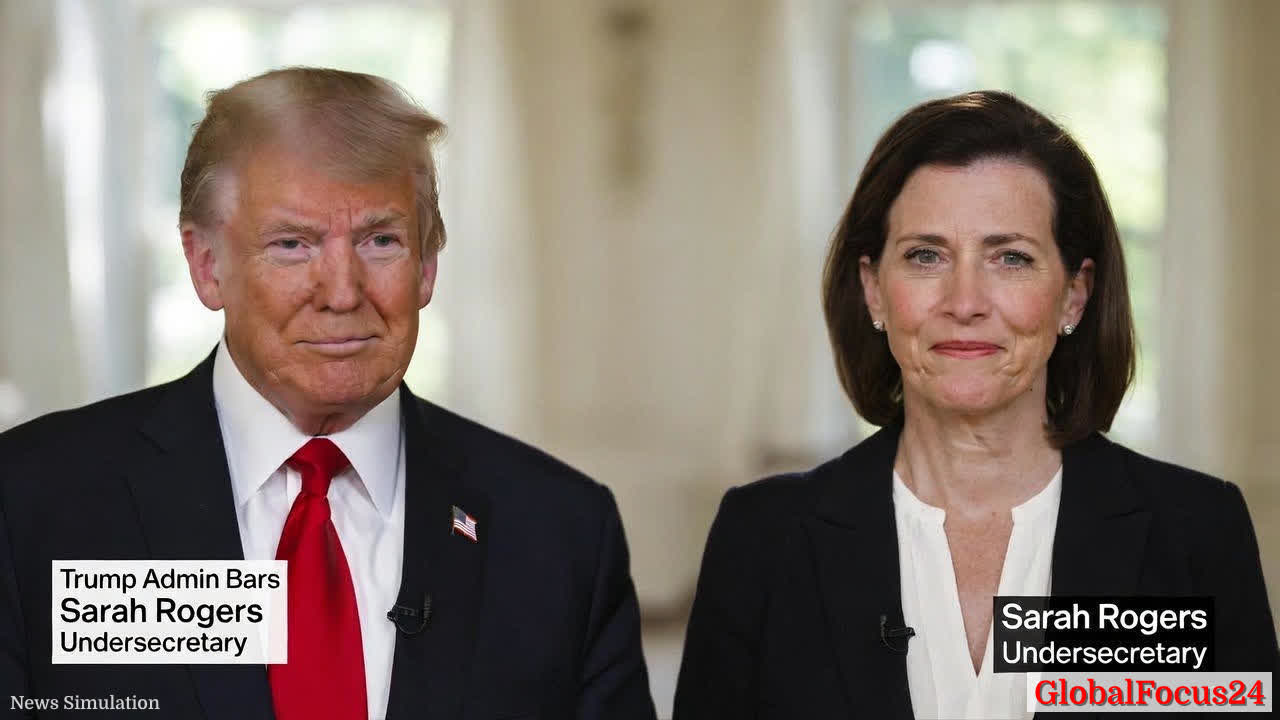
Trump Administration Bans Five European Figures Over Censorship Efforts
A new U.S. directive has barred five European figures from entering the United States, citing their involvement in activities perceived as censoring protected speech. Announced December 23, 2025, by a high-level State Department official, the measure marks a notable use of visa policy to address cross-border debates over online content moderation and free expression. The action signals a broader shift in how Washington views international pressure campaigns linked to speech regulation and platform governance.
Context and Genesis of the Policy
The ban emerges from a May 2025 visa policy expansion aimed at countering censorship efforts targeting American speech. Officials describe the policy as a calibrated response to a pattern of external actors pressing tech platforms and political institutions to suppress or alter U.S.-based discourse. The policy narrative frames censorship as a core challenge to open democratic debate, arguing that persistent foreign pressure undermines the space for lawful American speech, including political viewpoints that critics may find controversial.
Historical Background: Global Debates on Speech and Censorship
The current episode sits within a long arc of global tensions around how digital platforms moderate content. In the EU, debates over the Digital Services Act (DSA) have intensified since its rollout, aiming to increase transparency and accountability for online services. Critics argue that such regulatory frameworks may, intentionally or not, chill legitimate expression, while proponents contend they are necessary to curb hate speech, misinformation, and harmful content online. The height of these tensions frequently spills into diplomatic arenas, with governments and civil society groups offering competing visions of free speech, safety, and platform responsibility.
Within the United States, the balance between protecting speech and limiting harm has long been a contentious policy space. Legal debates have centered on the First Amendment, commercial speech, and the responsibilities of platform operators to monitor and remove disinformation, harassment, or incitement. The current sanctions reflect a stance that foreign actors who engage in or coordinate similar censorship activities against U.S. platforms or speech may be subject to travel restrictions as a diplomatic tool.
Who Was Barred and Why
The individuals named in the announcement include prominent figures involved in European and global discussions around online moderation and disinformation. Public statements emphasize that these figures were identified as central participants in efforts viewed as coercive or coercively influential in silencing or suppressing U.S. viewpoints on digital platforms. The administration characterized their actions as cross-border initiatives to shape speech standards and enforcement beyond their own borders, allegedly involving collaboration with U.S. or allied officials to press for speech suppression.
Key personalities cited include:
- A former European Union commissioner associated with regulatory initiatives that shape platform behavior.
- A chief executive of a think tank focused on disinformation and online safety, described as advancing campaigns against certain speech communities.
- Leaders of a German-based non-profit organization focusing on hate speech and online harassment, credited with organizing advocacy and monitoring activities that intersect with platform policy debates.
The State Department framed the actions as proportionate and targeted, aimed at individuals whose work was portrayed as systematically seeking to curb protected speech beyond domestic policy debates. Officials stressed that the measures are not intended to suppress legitimate political advocacy but to deter organized campaigns aimed at external censorship of U.S. discourse.
Regional Comparisons: Europe, the United States, and Beyond
This development sits alongside other regional dynamics in global speech governance. In Europe, the DSA has driven extensive compliance obligations on content moderation, transparency, and traceability. Some observers argue that the DSA represents a form of regulatory harmonization intended to protect users, while others worry about the potential for overreach or inconsistent enforcement across member states. Comparisons with U.S. approaches reveal divergent legal frameworks, with the United States prioritizing a robust protection of free expression while encouraging platforms to enforce policies that address hate, violence, and misinformation.
Meanwhile, in other regions, different models of platform governance are taking shape, reflecting varied legal cultures, political philosophies, and social norms. These global tensions contribute to ongoing debates about the proper boundaries of state influence, corporate responsibility, and individual rights in digital spaces. The current action can be viewed as part of a broader, evolving pattern where national security, diplomacy, and civil liberties intersect in the realm of online speech.
Economic and Industry Implications
The sanctions carry potential implications for the digital economy and the broader policy ecosystem surrounding online platforms. First, there could be increased uncertainty for cross-border collaborations involving researchers, policy analysts, and advocacy groups who monitor or study platform behavior and content moderation practices. While the targeted individuals may not be conventional business actors, their networks and influence can affect the strategic directions of NGOs, think tanks, and advocacy coalitions that operate internationally.
Second, the decision underscores the financial and reputational risks associated with policy advocacy that crosses borders. If more figures are restricted from entry, think tanks and civil society organizations may reassess how they engage with policymakers and global audiences. This could lead to a shift toward more anonymized or indirect methods of research dissemination and advocacy, at least in contexts involving sensitive policy disputes.
Third, the episode may influence technology firms' risk assessments and regulatory compliance strategies. Platforms routinely navigate a patchwork of international rules and expectations. Heightened scrutiny of external influence campaigns could prompt firms to invest more heavily in compliance, due diligence, and transparent governance practices to demonstrate resilience against political pressure abroad.
Public Reaction and Media Landscape
Public and industry reactions have been mixed, reflecting the broader divide over how to balance free expression with concerns about manipulation and censorship. Supporters of the ban argue that it sends a clear signal against external efforts to shape U.S. speech and that it protects the integrity of open forums. Critics contend that such measures risk politicizing travel policy and may chill legitimate dialogue about platform governance or human rights concerns in Europe.
Media coverage across the political spectrum has highlighted the complexity of cross-border speech regulation in the digital era. Analysts emphasize that the issue encompasses not only legal and policy questions but also cultural values about speech, safety, and the role of technology in society. Public sentiment may evolve as more details emerge about the specifics of each case, the evidence cited by officials, and the potential for further actions.
Operational Details and Implementation
The new policy clarifies that entry bans apply to individuals deemed to have engaged in, or substantially supported, activities that censor protected speech. While the public briefing avoided naming all potential diplomatic triggers, officials indicated that the approach could be expanded if warranted by ongoing international developments. The mechanism involves visa restrictions rather than broader travel bans on organizations or entire cohorts of people from certain countries, which helps to preserve broader movement of travelers and diplomats while addressing specific activities.
Questions remain about how this policy will interact with established visa processes, such as the visa waiver program, which historically has enabled many Europeans to visit the United States without formal visas. The practical implications for travelers who fall into broader categories of policy-impacted individuals are still uncertain, and details are likely to unfold through subsequent guidance and potential legal challenges.
Historical Context: Past Precedents
Enforcement actions of this nature have precedent in various forms of foreign policy tools used to address perceived threats to democratic norms or national security. Travel restrictions tied to censorship concerns echo broader themes in diplomatic practice where states use visa controls to deter activities deemed harmful to their institutions or citizens. The contemporary landscape, however, features a highly interconnected digital sphere where information flows cross borders with speed and scale, making the implications of such measures both consequential and complex.
Looking Ahead: Potential Outcomes and Scenarios
Several scenarios could unfold in the near term:
- A continued roll-out of targeted visa restrictions, expanding to additional individuals or groups linked to cross-border censorship campaigns.
- Diplomatic exchanges or public statements from European governments defending regulatory approaches while acknowledging U.S. safety concerns.
- Legal challenges or policy clarifications that shape how similar actions are implemented in the future, including criteria for determining who qualifies as a partner in censorship efforts.
- Shifts in collaboration patterns among researchers, NGOs, and media organizations that monitor digital governance, potentially leading to more alternative channels for policy engagement.
Regional Comparisons: Lessons and Boundaries
Comparative analysis with other regions reveals that the effectiveness and reception of cross-border sanctions depend on a range of factors, including governance structures, media ecosystems, and public trust. In regions with strong civil society traditions and independent media, such measures may provoke robust debate about freedom of expression and the role of external actors. In regions where political control over information is more centralized, the response could be more limited or uniform, potentially reducing public visibility of such actions.
Implications for Freedom of Expression and Platform Policy
The incident highlights a persistent tension in modern democracies: how to protect free expression while countering organized efforts to silence or manipulate discourse. The policy underscores the importance of transparent governance in both domestic and international policy circles. For platforms, the episode reinforces the expectation that content moderation practices are consistent, accountable, and subject to scrutiny, while also illustrating the political realities of external influence on platform governance discussions.
Conclusion
As digital governance continues to evolve, the United States’ approach to cross-border influence campaigns marks a notable moment in the ongoing conversation about speech, safety, and sovereignty in the online world. The targeting of European figures reflects a proactive stance aimed at safeguarding the integrity of protected speech while navigating the complexities of international diplomacy. Observers will watch closely how this policy evolves, how foreign governments respond, and what it means for scholars, advocates, and industry professionals who study and participate in the global discourse on online expression and platform responsibility.