Terraform Collapse: Insider-Trading Allegations Against Jane Street Prompt Legal and Market Repercussions
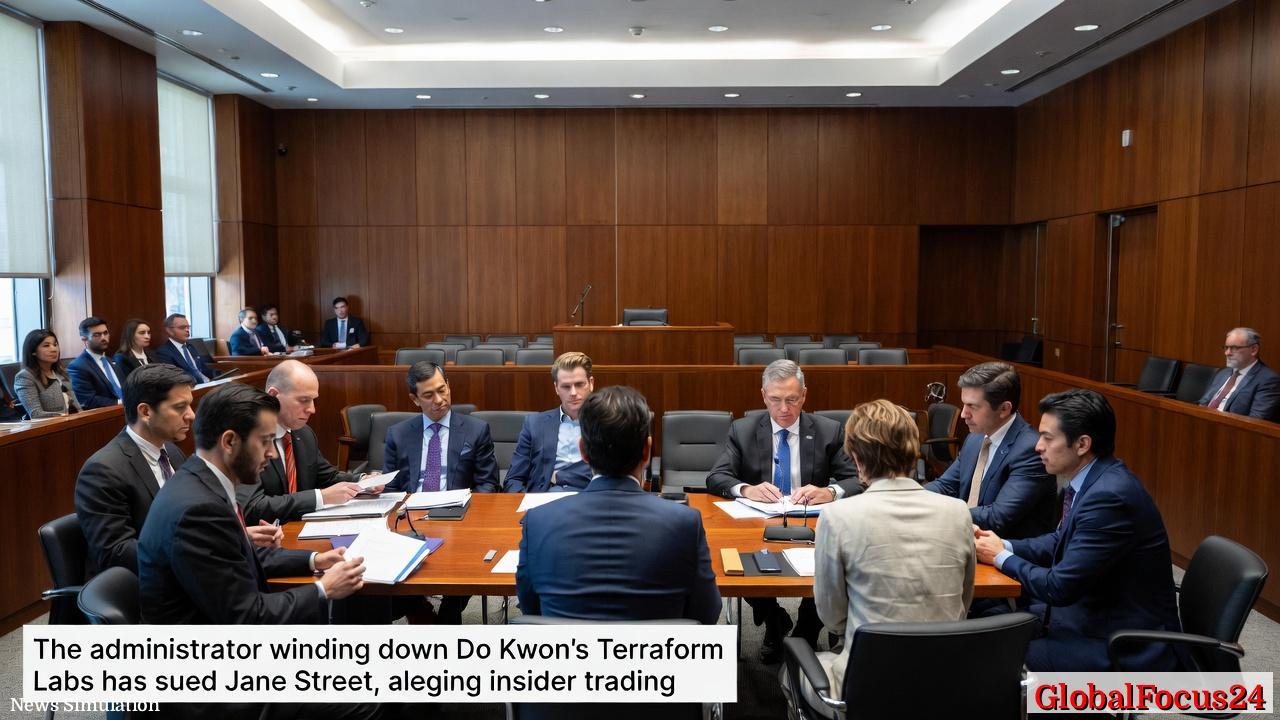
A landmark lawsuit filed in Manhattan federal court alleges insider trading by a major Wall Street trading firm connected to the dramatic unraveling of Terraform Labs, the crypto empire once heralded as a beacon of decentralized finance. The administrator overseeing Terraform’s wind-down accuses Jane Street of using nonpublic information obtained from secret chats with Terraform insiders to front-run trades, a move the suit contends hastened a multibillion-dollar collapse that roiled markets worldwide.
Historical context: from fast growth to sudden peril Terraform Labs, founded to bring algorithmic stablecoins and sophisticated smart contracts into mainstream use, surged to prominence in the crypto ecosystem during the early 2020s. Its stablecoin ecosystem and related tokens attracted billions in liquidity, drawing attention from retail investors and institutional traders alike. The project’s meteoric rise reflected a broader period of exuberance in digital asset markets, marked by rapid token launches, aggressive liquidity mining incentives, and ambitious, highly visible marketing narratives about the future of money and finance.
Yet, the ascent was not without warning signs. The Terra ecosystem relied on complex algorithms designed to maintain peg mechanisms under varying market conditions. When confidence eroded and macro conditions shifted, the dynamics that had sustained the peg faltered. The resulting depegging, liquidity withdrawal, and cascading liquidations exposed underlying fragilities—structural leverage, concentrated holders, and the reliance on continued inflows to preserve price stability. The subsequent collapse—significant in both scale and speed—invoked a broader reckoning about risk management, transparency, and governance within the digital-asset space.
Economic impact: spillovers across markets and counterparties The Terra collapse reverberated beyond the crypto sphere, affecting liquidity providers, hedge funds, and other participants who had calibrated risk models around Terra-linked instruments. Market-makers and traders faced marked losses, volatility spikes, and a reevaluation of risk premia across digital assets. Exchanges and custodians experienced a surge in withdrawal activity as investors sought to reassess holdings and reposition portfolios. The incident underscored the interconnectedness of crypto derivatives markets with traditional financial infrastructures and the potential for rapid contagion when a high-profile project experiences distress.
In the near term, the allegations against Jane Street, if proven, could intensify scrutiny of how major trading desks interact with nascent and volatile assets. Insiders and market participants alike may re-evaluate the ethics, governance, and compliance frameworks governing off-exchange communications, information sharing, and front-running risk in markets that combine traditional liquidity with decentralized technologies. Regulators around the world have already signaled periodic intensification of oversight for digital-asset trading venues, market-making activities, and the use of sensitive information in crypto-linked trades.
Regional comparisons: U.S., Europe, and Asia-Pacific perspectives
- United States: The case sits squarely within a framework of robust enforcement capabilities and a long-standing emphasis on market integrity. Civil actions alleging insider trading or improper information advantage are typically pursued through federal courts with explicit allegations of misappropriation or concealment of material information. The outcome could influence how agencies coordinate with private administrators overseeing wind-downs of failed crypto projects, potentially shaping future governance standards for liquidations in the sector.
- Europe: European regulators have pursued a mix of restrictive and clarifying measures concerning crypto markets, including requirements around market abuse and transparency for exchanges and trading firms. A high-profile case involving a major trading firm and a collapsed crypto project could accelerate discussions about cross-border enforcement cooperation and the harmonization of market-structure rules affecting digital assets.
- Asia-Pacific: The APAC region has observed rapid adoption of crypto technology alongside diverse regulatory approaches. Jurisdictional responses to allegations of insider trading in crypto markets may influence the tempo of licensing, disclosure requirements, and the oversight of market-making activities. The case may prompt regional debates about how traditional financial players integrate into crypto ecosystems without compromising regulatory expectations.
Industry ripple effects: governance, risk, and ethics
- Governance: The Terraform episode has intensified discussions about corporate governance in crypto projects, including transparency around treasury management, reserve strategies, and reserve adequacy for maintaining stability across linked assets. Stronger governance mechanisms may emerge as a competitive differentiator for projects seeking long-term credibility.
- Risk management: Market participants are likely to revisit risk controls around liquidity risk, peg maintenance, and exposure to correlated positions. Firms may enhance surveillance around unusual trading patterns and implement stricter controls for information flow between insiders and external counterparties.
- Ethics and compliance: The allegations highlight the ongoing tension between fast-paced innovation and the need for robust compliance programs in crypto trading. Firms could respond with more transparent policy disclosures, heightened internal audits, and clearer boundaries on information-sharing practices.
Technical backdrop: what the alleged actions imply The core accusation centers on nonpublic information gleaned from private chats with Terraform insiders, allegedly used to influence trading activity in a way that profitably exploited a developing crisis. If the allegations hold, this could involve misappropriation of confidential information and front-running in a highly volatile environment. The technical implications extend to how trading desks monitor order flow, how off-exchange communications are regulated, and how automated systems respond to sudden liquidity shifts. Prosecutors and plaintiffs typically seek evidence of intent, control over sensitive information, and demonstrable timing that links information access to profitable trades.
Market structure and liquidity considerations The Terra incident underscored the fragility of liquidity in certain digital-asset ecosystems. When large redemption events or liquidity withdrawals occur, market depth can quickly thin, amplifying price movements and slippage. Market-makers, arbitrage desks, and hedge funds often rely on robust information signals and transparent airing of risk management metrics. The alleged misuse of insider information would threaten the perceived fairness of markets and may prompt exchanges and liquidity venues to reevaluate listing standards, surveillance tools, and market-structure rules designed to deter abusive trading practices.
Public reaction: investor sentiment in a volatile landscape Public reaction to the Terraform collapse has included renewed skepticism about stablecoins, the fragility of algorithmic peg mechanisms, and the reliability of project disclosures. Retail investors who experienced losses as prices declined faced a broader conversation about risk tolerance in crypto markets and the role of due diligence when evaluating new technologies. The legal dispute, if it reaches a resolution, could influence investor confidence by highlighting the enforcement of market integrity principles and signaling a commitment to accountability in a space frequently perceived as high-risk.
A look ahead: potential outcomes and implications
- If the court finds merit in the insider-trading allegations, the case could set a precedent for how similar disputes are pursued in the crypto context, influencing enforcement priorities and civil remedies.
- A dismissal or unfavorable ruling for the plaintiff might shift focus toward corporate governance reforms, enhanced disclosure practices, and improved risk controls within platforms that support volatile digital assets.
- Regardless of the legal outcome, the narrative around Terraform’s rise and fall is likely to become a reference point in discussions about the sustainability of algorithmic stablecoins, the allocation of capital in crypto markets, and the evolving regulatory landscape governing digital asset trading and wind-down procedures.
Key figures and timeline context
- Terraform Labs emerged as a major player in the crypto ecosystem with ambitious technical ambitions and substantial liquidity inflows.
- The depeg and subsequent collapse unfolded rapidly, prompting questions about liquidity provisioning, reserve strategies, and risk management within the project’s ecosystem.
- The lawsuit against Jane Street, alleging insider trading tied to a pivotal liquidation event, adds a new dimension to the discourse on market integrity, information asymmetry, and the responsibilities of large trading desks operating in crypto markets.
Operational lessons for market participants
- Strengthen information governance: Firms trading in volatile ecosystems should adopt clear policies delineating permissible communications, chains of custody for sensitive information, and oversight mechanisms to prevent potential misuse.
- Enhance surveillance for unusual activity: Real-time monitoring of trades in response to confidential disclosures can help identify patterns that may require intervention or escalation.
- Prioritize risk disclosures: Transparent communication about risk exposures, liquidity strategies, and potential vulnerabilities can improve investor understanding and trust.
Conclusion: a pivotal moment for crypto market integrity The Terraform collapse, viewed through the lens of insider-trading allegations against a major trading firm, crystallizes a wider debate about fairness, governance, and resilience in digital asset markets. As the legal process unfolds, market participants and regulators will be watching closely to see whether this dispute yields clearer standards for information handling, strengthens defenses against market abuse, and clarifies the path forward for projects pursuing ambitious technological breakthroughs in a rapidly evolving financial landscape. The outcome could influence how crypto markets balance innovation with accountability in a space that continues to attract global investment and scrutiny.
Would you like a version of this article tailored for a specific publication style or audience, such as institutional investors or general readers, with alternative subheadings or emphasis?