The Right to Die Expands Across the United States: A Wave of Assisted-Dying Legislation in 2026
In early 2026, the United States is witnessing a pivotal shift in medical ethics and personal autonomy as more states adopt or consider statutes that permit assisted dying for terminally ill adults. This growing legal framework, which allows physicians to prescribe life-ending medications under strict conditions, reflects enduring debates about patient choice, palliative care, and the role of medicine in end-of-life decision-making. The trajectory of these laws is shaping access, healthcare practice, and regional disparities in how society approaches end-of-life care.
Historical context: from slow beginnings to broad conversation
The modern movement toward legal assisted dying in the United States began decades ago, with Oregon pioneering a regulatory framework in 1997 through the Death with Dignity Act. Over time, a mosaic of state-level policies emerged, each crafted to balance patient autonomy with safeguards intended to protect vulnerable populations. Early adopters established procedural requirements—duration of terminal illness, two physicians’ confirmation of prognosis, and mandatory waiting periods—while later iterations refined access for patients with non-cancer illnesses and introduced additional oversight mechanisms.
The 2010s and early 2020s saw a widening patchwork: some states expanded eligibility, broadened physician participation, and clarified the roles of healthcare teams in evaluating requests. By the middle of the decade, the public conversation had become less about whether assisted dying should exist and more about how to implement it responsibly, with attention to medicine’s core commitments to do no harm, uphold informed consent, and support patients and families facing arduous trajectories of illness.
Current landscape: where assisted dying is legal, where it is considered, and what’s next
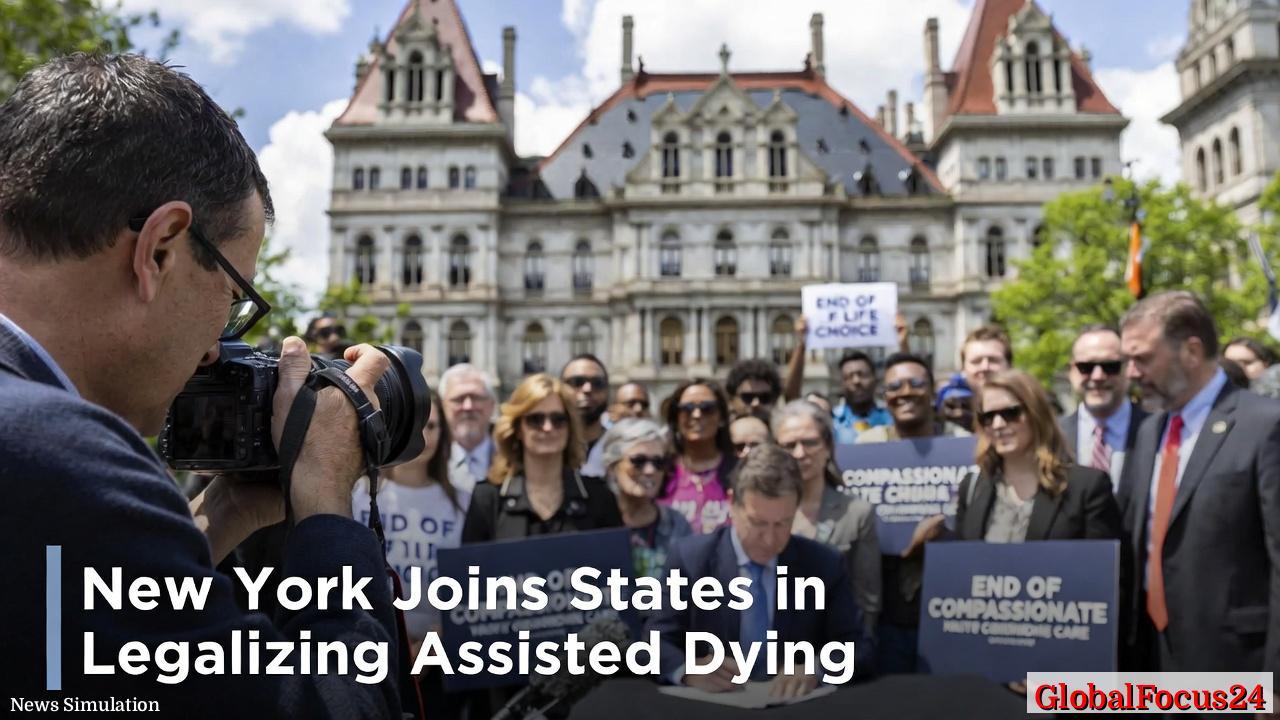
As of January 27, 2026, a growing coalition of states has established legal pathways for physician-assisted death, with several others actively considering bills. States where assisted dying is legally available include California, Colorado, Delaware, the District of Columbia, Hawaii, Illinois, Maine, Montana, New Jersey, New Mexico, Oregon, Vermont, and Washington. New York is widely anticipated to join this group as governors indicate readiness to sign forthcoming legislation, signaling a potential tipping point for the Northeast and Midwest regions where policy momentum has been building.
Beyond those already enacted, several states approved or advanced related measures in 2025, and proponents maintain that 2026 could bring further expansions. Delaware and Illinois, for example, enacted assisted-dying statutes in the prior year, while bills to authorize or study the practice in 2026 have been filed in states including Arizona, Indiana, Kentucky, Massachusetts, Minnesota, Missouri, New Hampshire, Pennsylvania, Rhode Island, Tennessee, Virginia, and others such as Connecticut and Maryland. If enacted, these measures are expected to broaden patient access, particularly in rural areas where alternatives to terminal care may be limited.
Regional comparisons: how availability and access vary
- West Coast and Mountain States: California, Oregon, and Washington have long-standing programs with robust regulatory frameworks. These states emphasize clear eligibility criteria, multiple-layered safeguards, and comprehensive physician and institutional participation. The result is relatively streamlined patient access within a well-established system, alongside ongoing debates about cost, insurance coverage, and caregiver burdens.
- Northeast corridor: States like Maine, Vermont, New Jersey, and New York (pending) are expanding access through legislative action and regulatory guidance. New England’s approach places a premium on independent medical oversight, hospice integration, and ethical considerations that reflect the region’s high utilization of palliative care services.
- Midwest and South: The Midwest shows a mixed landscape, with some states pursuing permissive legislation while others have refrained or enacted more restrictive measures. In the South, adoption has been slower, with discussions often framed by a broader regional discourse on end-of-life care, patient autonomy, and cultural norms. In several states, initiatives aim to strike a balance between patient rights and physician conscience protections.
- Rural vs. urban: Across regions, rural communities face unique challenges in access, including physician supply, hospital infrastructure, and travel requirements for consultations and medication supplies. In contrast, urban centers may benefit from greater provider density and more integrated palliative care networks, but may also experience policy friction related to hospital systems and professional norms.
Economic impact: implications for healthcare systems, families, and markets
The expansion of assisted-dying laws intersects with multiple economic dimensions in healthcare:
- Healthcare costs and utilization: The availability of physician-assisted death can influence end-of-life care decisions, potentially affecting hospital days, intensive care utilization, and palliative care services. In some cases, patients who opt for assisted dying may shorten the duration of expensive hospital-based care, while ensuring that their preferences for end-of-life management are respected. Policymakers and insurers are watching for net effects on costs and resource allocation.
- Pharmacy and pharmaceutical markets: Medication protocols for end-of-life care involve specific drug formulations and supply chains. Market dynamics may shift as hospitals and pharmacies adjust to regulatory requirements, nursing education needs, and procurement processes to ensure safe and timely access to life-ending medications where permissible.
- Hospice and palliative care: Providers in hospice and palliative care can experience changes in demand, with some patients choosing assisted-dying options. This can influence staffing, training, and program design as teams adapt to a broader spectrum of patient preferences while maintaining core goals around comfort and dignity.
- Legal and compliance costs: States implementing or refining assisted-dying laws incur administrative costs related to licensure, reporting, audits, and safeguarding measures. Healthcare organizations bear ongoing compliance burdens, which can affect small practices differently from larger hospital systems.
- Economic equality and access: Regions with robust healthcare infrastructure and provider availability are more likely to implement and sustain assisted-dying programs successfully. In contrast, areas with limited access may experience disparities, raising policy questions about equity, financing, and support for patients and families across socioeconomic backgrounds.
Public health and ethical considerations
The spread of assisted-dying statutes raises important public health questions. Proponents argue that legally regulated assisted dying upholds patient autonomy, reduces suffering, and provides a transparent process with built-in safeguards. Critics caution against potential coercion, the risk of marginalized individuals feeling compelled to choose death due to systemic shortcomings, and the need to ensure that quality palliative care remains central to all discussions about end-of-life care.
Healthcare professionals, policymakers, and researchers are increasingly focused on refining criteria for eligibility, improving informed consent processes, and integrating mental health assessments to ensure that decisions are voluntary and well-considered. The alignment of assisted-dying policies with existing palliative-care frameworks is seen by many as essential to preserving patient-centered care while recognizing the diverse values that families bring to end-of-life decisions.
Regional comparisons also reveal how demographic factors, cultural norms, and religious beliefs shape public reception. Jurisdictions reporting broader acceptance tend to emphasize patient education, community engagement, and transparent reporting of outcomes. Conversely, areas with intense opposition or limited implementation emphasize protections for clinicians who opt out and robust safeguards against nonvoluntary or impulsive decisions.
Implementation challenges and safeguards
To operationalize assisted-dying laws effectively, states are focusing on several core safeguards:
- Eligibility and prognosis: Laws typically require a terminal illness with a prognosis of a limited life expectancy, often with corroboration from multiple medical professionals and documented treatment options.
- Waiting periods and informed consent: Waiting periods and repeated confirmation of patient requests are standard features, designed to ensure genuine, thought-out decisions rather than impulsive actions.
- Mental health evaluation: Assessments to ensure the decision-making capacity of the patient are commonly mandated, addressing concerns about depression or other conditions that might impair judgment.
- Conscientious objection protections: Many statutes provide physicians and institutions with the right to decline participation, while ensuring timely access to others who will perform the procedure.
- Safeguards against coercion: Checks and balances aim to protect vulnerable populations from coercion by family members, caregivers, or financial pressures.
- Data collection and oversight: States mandate reporting of patient data, procedures, and outcomes to inform ongoing policy evaluation and risk mitigation.
Public reaction and social impact
Public sentiment around assisted dying continues to be nuanced and evolving. In regions where the practice is well established, patients and families often describe a sense of agency and relief, tempered by emotional complexity and the enduring impact on loved ones. In other areas, communities rally around the importance of robust palliative care, spiritual and cultural considerations, and the ethical questions that such policies inevitably raise.
Media coverage frequently centers on personal narratives—stories of patients navigating terminal illness, physicians balancing professional duties with patient autonomy, and families seeking closure in the face of terminal decline. While these stories humanize the debate, they also underscore the need for rigorous data, consistent practice standards, and ongoing dialogue among healthcare providers, policymakers, and the public.
Implications for clinicians and hospitals
Clinicians must stay current with evolving statutes, professional guidelines, and institutional policies. This includes refining prognostic assessments, documenting patient requests with precision, coordinating multidisciplinary care, and navigating legal requirements for prescription authority. Hospitals and healthcare systems may invest in training programs, ethics consultations, and patient-education resources to support informed decision-making.
For rural health networks, the expansion of access to end-of-life options can be particularly impactful. Telemedicine, mobile clinics, and partnerships with regional hospices may help bridge gaps in specialty care and ensure that patients in remote areas can access appropriate services within the bounds of state law.
What the trend means for the broader healthcare landscape
The movement toward legalized assisted dying signals a broader shift in how society conceptualizes death, illness, and autonomy. As more states adopt regulated pathways, there is heightened attention to the integration of end-of-life options into comprehensive care plans. This trend also intersects with the evolution of advanced care planning, patient education, and the expansion of palliative and hospice services as cornerstones of compassionate care.
Looking ahead: potential policy developments
- Expansion or refinement of eligibility criteria: States may adjust prognosis requirements or broaden the list of qualifying illnesses to reflect advances in medical understanding and patient preferences.
- Greater emphasis on mental-health safeguards: Policymakers may enhance screening for depression and decision-making capacity to further protect vulnerable individuals.
- More robust data collection: Longitudinal studies and cross-state comparisons could inform best practices, improve safety, and address concerns about access disparities.
- Inter-state cooperation and portability: There may be discussions about cross-border considerations for patients who move between states with differing laws, aiming to maintain continuity of care while respecting local regulations.
Conclusion: a turning point in end-of-life care
The spread of assisted-dying laws in 2026 marks a significant moment in American healthcare, reflecting a nuanced balance between respect for patient autonomy and the enduring obligations of medical professionals to safeguard life and well-being. As states continue to debate, refine, and implement these policies, the healthcare system will increasingly confront questions about how best to honor individual wishes while ensuring high-quality, compassionate care for all facing terminal illness. The coming years will reveal how these laws reshape clinical practice, influence healthcare economics, and alter the lived experiences of patients, families, and communities across the United States.