Brazil Faces Renewal Debate as Lula Indicates 2026 Bid Plays Central Role in Nation’s Political Clifford
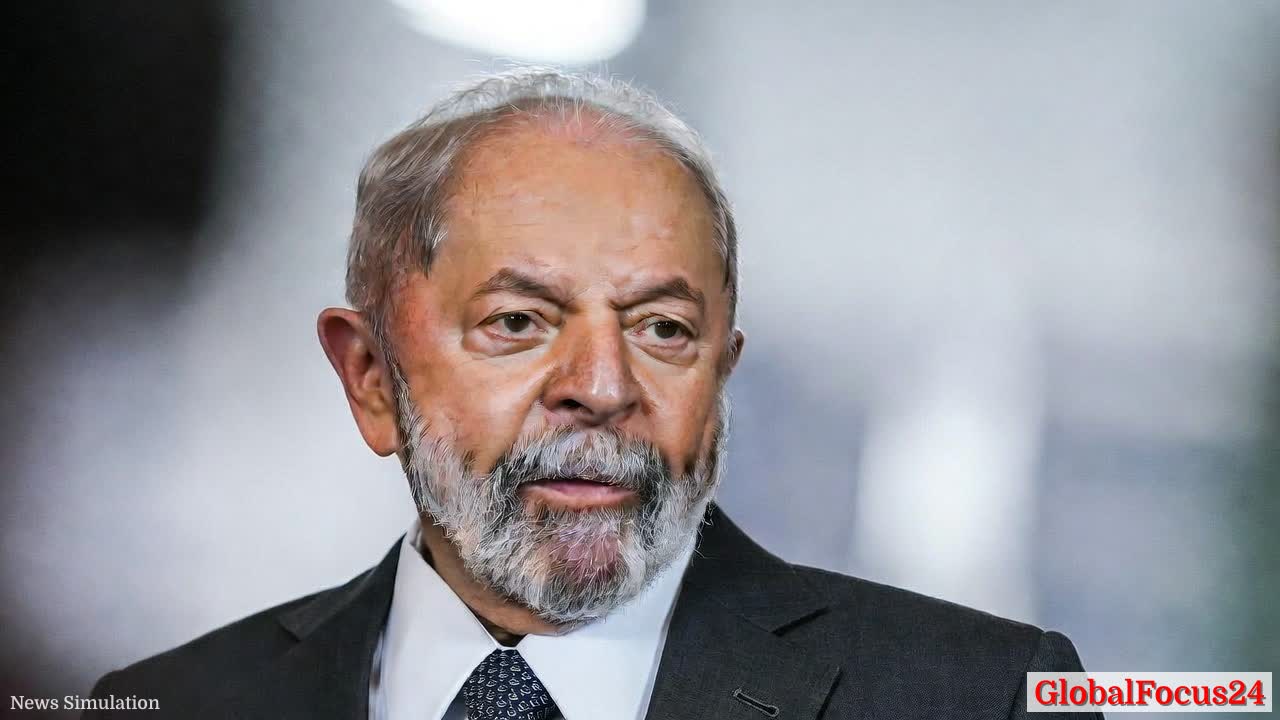
Brazil’s political landscape stands at a crossroads as discussions intensify about whether President Luiz Inácio Lula da Silva should seek re-election in 2026. At age 80, Lula’s prolonged tenure and the prospect of another campaign have become a focal point for analysts, policymakers, and ordinary citizens alike. While Lula remains a dominant figure with broad recognition and a track record spanning decades, many observers argue that a transition to new leadership could inject fresh energy into Brazil’s democratic process, economic strategy, and regional role.
Historical backdrop: Lula’s arc and Brazil’s political cycles Lula’s rise to national prominence began in a period marked by social mobilization and rapid economic changes. His earlier terms helped lift millions out of poverty through targeted social programs, industrial policy, and labor-friendly reforms. The subsequent political upheaval in the mid-2010s underscored Brazil’s volatile but resilient democratic landscape, where public trust ebbed and flowed in response to corruption scandals, macroeconomic shifts, and regional dynamics. The 2022 election solidified Lula’s return to power, making him the first president to regain office after a previous term ended in controversy and domestic upheaval. This historical thread highlights a broader pattern in Brazilian politics: voters often reward experienced leadership during times of uncertainty, while also expressing desire for renewal when fatigue with established figures becomes pronounced.
Economic context: growth, inflation, and policy continuity Brazil’s economy has faced a delicate balancing act over the last several years. After a trough in the early 2020s, the country saw a modest recovery driven by commodity prices, a resilient services sector, and ongoing public investment in infrastructure and social programs. However, inflationary pressures, global interest rate cycles, and supply chain disruptions have periodically disrupted momentum. In this environment, a candidate who can credibly articulate a mid- to long-term plan for growth, fiscal sustainability, and social equity remains highly influential in shaping investor confidence and market expectations.
A possible continuity-versus-renewal dynamic has implications for macroeconomic policy and investment decisions. Supporters of Lula’s leadership argue that his administration’s social investments and stabilization measures provide a predictable framework for business planning, particularly for sectors such as energy, agribusiness, and manufacturing that are central to Brazil’s export economy. At the same time, rivals and independent analysts emphasize the need for new tactics to address structural bottlenecks—ranging from tax reform and public-sector efficiency to digitalization and innovation ecosystems—that could unlock higher productivity and more diversified growth.
Regional comparison: Brazil within Latin America’s evolving landscape Brazil’s situation can be contrasted with neighboring economies that have pursued varying leadership trajectories and reform agendas. In some cases, regions in Latin America have benefited from leadership renewal that accompanied new policy emphases, such as modernization of regulatory frameworks, investment in education and technology, and stronger governance standards. In others, persistent governance challenges and political polarization have slowed reforms, impacting competitiveness and regional influence.
Key considerations emerge when evaluating Brazil’s path vis-à-vis its regional peers:
- Leadership renewal and policy experimentation: Fresh leadership can catalyze rethinking of outdated regulatory frameworks and foster public-private collaboration, potentially accelerating critical reforms in logistics, energy, and digital infrastructure.
- Social equity and inclusive growth: Brazil’s ongoing commitment to reducing poverty and expanding access to education and healthcare remains central to social stability and long-term productivity.
- Regional trade and diversification: A credible plan to deepen regional trade ties, reduce export bottlenecks, and enhance value-added production could strengthen Brazil’s position in Latin American and global markets.
- Public trust and institutions: The strength of democratic institutions, media freedom, and judicial independence in Brazil shapes the environment for policy continuity and investor confidence.
Public sentiment and the political environment Public reaction to the idea of another Lula tenure is mixed and nuanced. For some voters, Lula’s experience and policy track record offer reassurance during periods of global economic volatility and domestic security concerns. For others, the prospect of a protracted incumbency raises questions about turnover, generational representation, and the risk of policy complacency. Civil society groups, business associations, and regional counterparts watch closely how political leadership adapts to evolving challenges such as climate change resilience, urbanization demands, and technological disruption.
Policy themes likely to influence the 2026 campaign
- Economic resilience and growth strategy: A sustainable plan to bolster productivity, diversify exports, and stabilize public finances will be central to both sides of the electoral debate. Investments in infrastructure, logistics, and energy efficiency can support long-term competitiveness.
- Social protection and human capital: Expanding access to quality education, healthcare, and social protection remains a differentiator in Brazil’s political discourse, with implications for social cohesion and workforce development.
- Regulatory modernization: Streamlining bureaucracy, simplifying tax structures, and improving ease of doing business can attract investment and improve Brazil’s standing in global competitiveness rankings.
- Climate and energy transition: Brazil’s leadership in renewable energy and sustainable land-use practices presents opportunities to align growth with environmental objectives, potentially unlocking green finance and technology partnerships.
- Governance and transparency: Strengthening institutions, combating corruption, and ensuring rule-of-law integrity will influence both domestic confidence and foreign investor sentiment.
Regional and global implications As Brazil weighs its 2026 trajectory, the outcome will reverberate across South America and beyond. A leadership decision that leans toward renewal could signal a pivot toward more agile policymaking and enhanced collaboration with regional allies. Conversely, a continued leadership vision rooted in Lula’s long experience might emphasize continuity, social policy execution, and a consistent approach to regional diplomacy. In either scenario, Brazil’s stance on international trade agreements, multilateral cooperation, and climate commitments will shape its relevance on the global stage.
Conclusion: evaluating renewal without destabilizing continuity The central question for Brazil is not merely who sits in the presidential chair but how leadership can best serve long-term national interests. Renewal, when framed as an opportunity for fresh ideas, accountability, and inclusive growth, can strengthen democratic legitimacy and invigorate the policy process. Yet continuity—grounded in a tested understanding of Brazil’s institutions, markets, and regional relationships—also has value, particularly in navigating a complex external environment.
In evaluating Lula’s potential candidacy against the backdrop of a volatile global economy and shifting regional dynamics, voters will weigh the benefits of experience against the merits of new voices. The ultimate outcome will reflect how Brazil negotiates the tension between enduring leadership and the indispensable need for renewal—an enduring theme in democracies worldwide as they strive to adapt to evolving challenges while preserving stability and momentum.