Global Economic Pulse: A Narrow Rebound in Public Approval Mirrors Shifting Consumer Sentiment
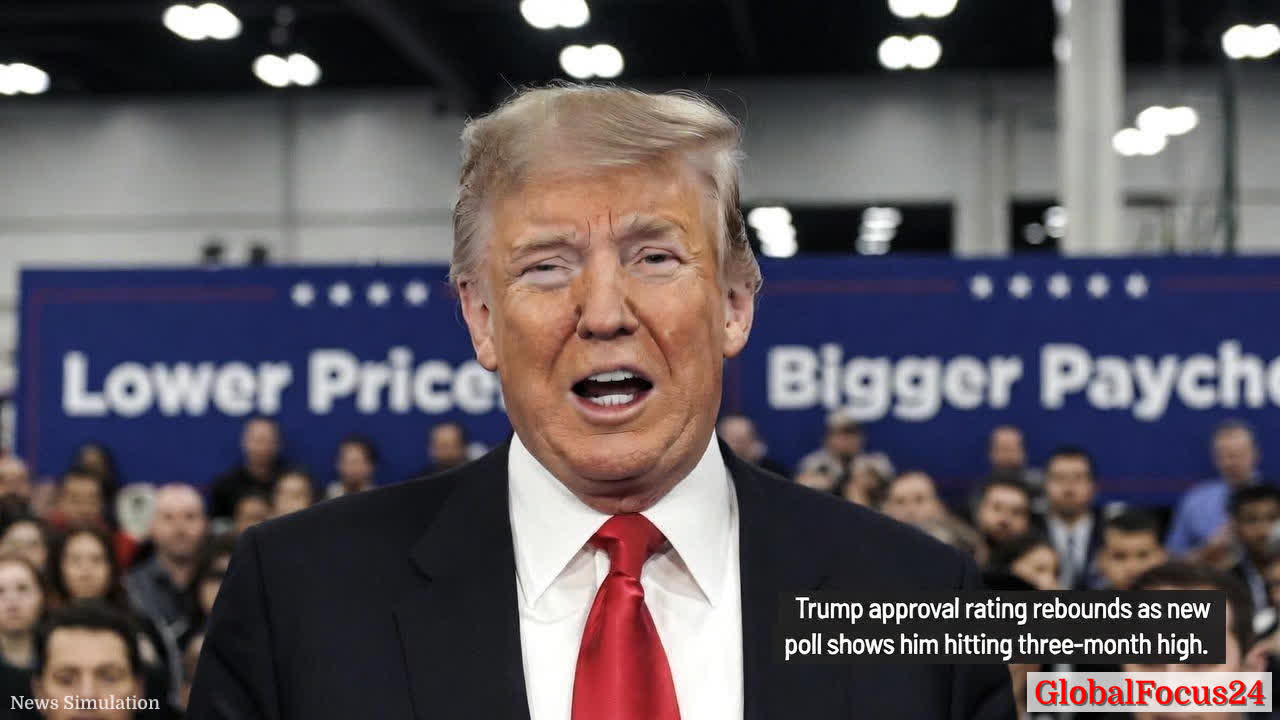
In a climate characterized by volatile markets and shifting fiscal policies, a recent public address captured a notable uptick in approval ratings, signaling a potential turning point in the broader economic narrative. The poll, conducted as part of a high-profile speech before a large, energized crowd, recorded the highest score in three months. Behind the speaker’s backdrop—an all-caps banner proclaiming “Lower Prices Bigger Paychecks”—the moment resonated with a public increasingly focused on the tangible, everyday effects of policy decisions. This article examines the context, implications, and regional dynamics surrounding the rebound in public support, as well as the economic currents that could shape momentum in the months ahead.
Historical context: from inflation shocks to policy signaling
To understand the present moment, it helps to recall the sequence of events that have shaped public perception over the past year. Surges in consumer prices during the early phase of the pandemic-to-recovery cycle left households navigating higher costs for essentials, from groceries to housing. As monetary authorities tightened policy to curb inflation, interest rate trajectories influenced borrowing costs for homes, vehicles, and business investment. The resulting period of tighter financial conditions cooled demand in several sectors, while labor markets remained comparatively resilient, creating a mixed picture for households balancing budget constraints with wage growth.
In this context, political and economic messaging has mattered more than in recent cycles. Voters often weigh one-off price spikes against longer-term structural indicators, such as wage growth, job security, and the breadth of available goods and services. The three-month rise in approval, while not a wholesale mandate, underscores a public appetite for policy signals that promise tangible relief—especially if those signals translate into lower costs of living and higher take-home pay. The backdrop of this moment includes a broader pattern: when authorities articulate credible plans to curb price pressures and bolster real incomes, poll numbers tend to respond in the near term, even as markets continue to assess risk and resilience.
Economic indicators and the mechanics of relief
The banner message—“Lower Prices Bigger Paychecks”—speaks to two intertwined policy objectives that economists often analyze in tandem. First, reducing price volatility and easing cost pressures for households can boost consumer confidence and discretionary spending. This, in turn, can sustain demand in the services economy, support small businesses, and contribute to a more dynamic labor market. Second, stronger real incomes ensure that wage gains translate into durable improvements in living standards, which helps stabilize household balance sheets and reduce saving for precautionary reasons.
Several economic channels are at play:
- Inflation trajectory: The pace at which prices rise directly influences real income, purchasing power, and the perceived effectiveness of policy measures. If inflation decelerates while wages hold steady or accelerate, households experience a clearer improvement in affordability.
- Labor market dynamics: Job creation, participation rates, and wage growth determine the sustainability of any improvements in public sentiment. A recovering job market with rising wages enhances the plausibility of the “bigger paychecks” portion of the message.
- Interest rates and housing: Mortgage rates and loan costs influence household budgets and home affordability. Policy guidance that signals a durable path toward stable or lower borrowing costs can support housing markets and consumer confidence.
- Supply chains and energy prices: Resolving bottlenecks and mitigating energy cost volatility contribute to broader price stability. Structural improvements in supply chains reduce susceptibility to external shocks, reinforcing a sense of economic steadiness.
Regional comparisons: diverse experiences across the landscape
Regional variation remains a hallmark of today’s economic landscape. Urban centers with diversified economies and robust labor markets have shown resilience, while some rural and manufacturing areas face ongoing adjustments as sectors recalibrate to evolving demand patterns.
- Coastal coastal regions with strong service sectors have benefited from solid consumer spending, travel, and hospitality activity. These areas often experience amplified sensitivity to wage growth and price changes in everyday goods, shaping regional sentiment in tandem with national signals.
- Inland and manufacturing belts have faced a more mixed recovery, with investments in automation and productivity gains offsetting some labor market softness. For communities heavily dependent on particular industries, policy clarity about energy costs, trade dynamics, and supply chain resilience can meaningfully affect outlooks.
- Emerging regional hubs—driven by technology, logistics, or renewables—are watching volatility in commodity prices and global demand carefully. The volatility itself can influence public perception, as residents experience both opportunity and risk in a rapidly changing economic toolkit.
Public reaction and the emotional dimension
Beyond the numbers, public reaction to the three-month approval uptick reflects a mix of cautious optimism and pragmatic scrutiny. Large crowds at the speech, the prominent backdrop, and the speaker’s assertive messaging contribute to a sense of momentum—but observers emphasize that sustainable improvement requires durable policy implementation and consistent delivery on promises.
Analysts note a few recurring themes in public discourse:
- Credibility of commitments: Voters respond positively when policy proposals align with observable, near-term benefits. Clear roadmaps, timelines, and measurable targets help translate sentiment into durable support.
- Real income focus: The emphasis on “bigger paychecks” resonates with households balancing rising costs against wage growth. The public tends to reward messages that connect policy with tangible financial outcomes.
- Community impact: Local businesses, schools, and public services gauge policy effects through everyday experiences. Positive signals that translate into job security, affordable housing, and accessible consumer goods heighten confidence.
Policy implications: navigating the next phase
The rebound in approval is not a mandate but a signal that policymakers may need to balance urgency with prudence as they navigate the next phase of economic management. Several policy considerations commonly accompany shifts in public sentiment:
- Price stabilization strategies: Sustained progress in reducing inflationary pressures, especially in energy, food, and housing, will be crucial. Policy tools may include targeted relief measures, supply-side reforms, and prudent fiscal coordination to avoid offsetting effects.
- Labor market policies: Initiatives that support workforce development, retraining, and productivity growth can bolster long-term real wage gains. A stable employment outlook reinforces confidence in ongoing earnings growth.
- Financial conditions: While easing near-term concerns about borrowing costs, policymakers must also guard against overheating or creating distortions in credit markets. Clear communications about policy paths help markets price risk more accurately.
- Regional support programs: Tailored programs that address regional disparities—such as infrastructure investments, small business grants, and innovation incentives—can sustain broader confidence and reduce permeability between local and national economic cycles.
Historical precedent and comparisons
Historical cycles show that public approval often tracks the perceived effectiveness of economic management, particularly when households feel relief from price pressures and see wage improvements. In periods of rising uncertainty, even modest gains in income or price relief can translate into outsized shifts in sentiment, especially if accompanied by credible policy commitments.
Meanwhile, comparisons with international peers reveal a shared pattern: economies that combine credible inflation containment with steady wage growth tend to secure more stable public support than those that rely on sudden policy pivots or exposure to external shocks. The current moment bears this out in a regional context where cross-border trade, energy markets, and supply chains have global reverberations.
Sustainability and long-term outlook
Sustaining momentum will require balancing short-term relief with long-run resilience. Structural reforms that improve productivity, reduce costs in key sectors, and expand opportunities for workers are essential for maintaining positive sentiment beyond the immediate term. The trajectory will likely hinge on:
- The persistence of price moderation across core goods and services.
- The durability of wage growth in a tight labor market.
- The ability of the economy to dampen volatility in energy and input costs.
- The effectiveness of targeted programs that support households most exposed to price shocks.
Conclusion: reading the signs beyond the moment
The three-month high in approval, observed in a public setting marked by a bold, consumer-focused message, signals more than a fleeting mood. It highlights a public that is paying close attention to how policy translates into everyday affordability and real earnings. While the data point is meaningful, its significance lies in the trajectory it suggests: a potential shift toward greater reassurance in both policy direction and economic prospects, provided near-term relief endures and is supported by demonstrable, measurable results.
As regions continue to navigate distinct economic realities, the broader narrative remains clear: credible steps toward stabilizing prices and enhancing real incomes can cultivate confidence, sustain spending, and reinforce a shared sense of opportunity. The coming quarters will reveal how enduring this moment of rebound proves to be—and whether the public’s appetite for lower prices and bigger paychecks translates into a durable, constructive cycle for the economy at large.