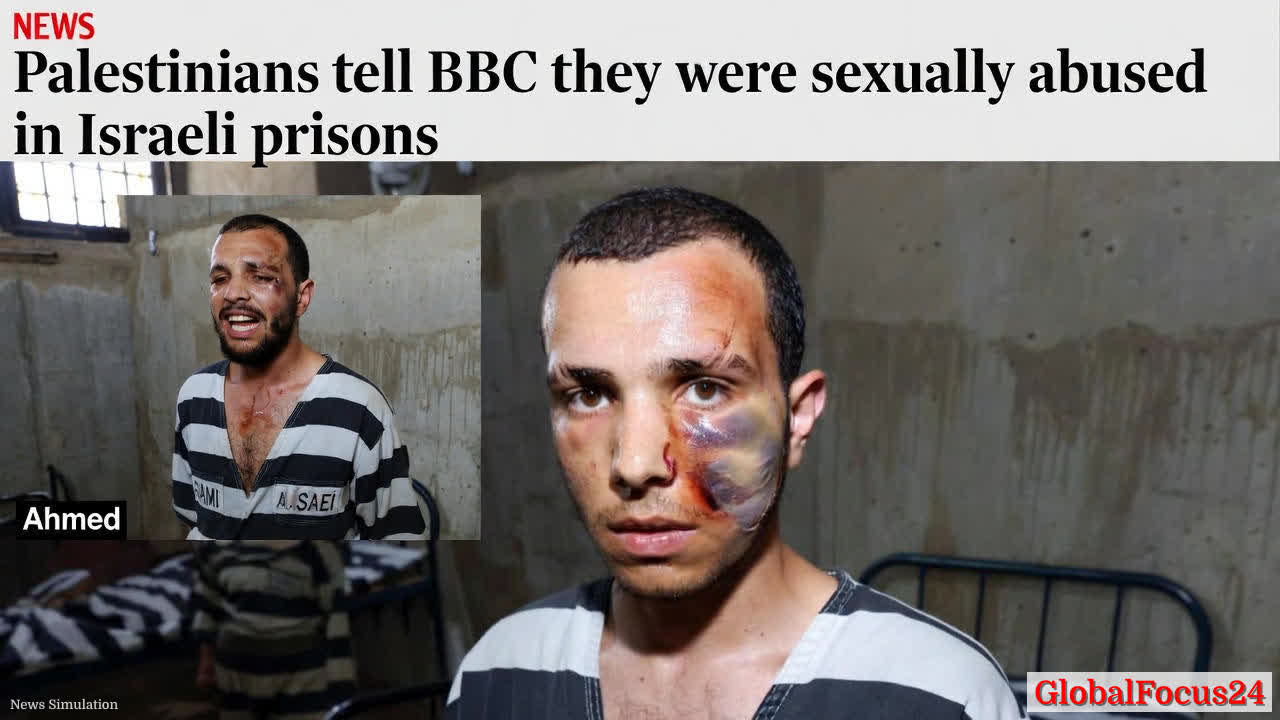
Palestinian Detainee Abuse Allegations Renew Focus on Israeli Prisons
A pair of recent testimonies from Palestinian men detailing beatings and sexual abuse in Israeli detention facilities has intensified long-running concerns about the treatment of detainees in the conflict era. The accounts come amid a broader cycle of accusations, counterclaims, and international scrutiny surrounding Israel’s prison system and the handling of Palestinian prisoners and detainees in the occupied territories.
Historical Context and Recent History
The history of detention practices in the Israeli-Palestinian conflict is deeply entwined with security concerns, military operations, and periods of heightened violence. Since the intensification of hostilities surrounding the Gaza conflict in 2023, Palestinian detainees have frequently argued that emergency- or security-driven policies have eroded established protections for prisoners. Rights groups have long warned of a pattern in which arrests, administrative detention, and confinement in facilities across Israel and the occupied West Bank intersect with political tensions and public opinion, sometimes producing an environment where oversight frays and abuses go unchecked.
Two recent cases underscore how historical grievances and institutional memory shape public reaction. First, documentation of alleged abuse in Megiddo Prison in northern Israel has provoked debate about prison culture, staff conduct, and accountability mechanisms within the Israel Prison Service (IPS). Second, leaked footage from a different facility described acts of violence and mistreatment that prompted resignations and internal disclosures within military and political leadership circles. Taken together, these incidents feed into a broader narrative about the vulnerability of detainees—especially those linked to Hamas or accused of supporting militant activity—and the difficulty of independent verification in highly charged political contexts.
Accounts of Individual Detainees
The most detailed account concerns a 46-year-old former freelance journalist from Tulkarm who was detained in early 2024 and released after 16 months in administrative detention. He reports that at Megiddo Prison he was partially stripped and subjected to sexual assault described as an attack with a baton by guards, accompanied by taunting and a prolonged period of abuse. The detainee alleges repeated patterns of violence, including near-daily beatings, while noting that the assault itself occurred on a single occasion. IPS officials have publicly stated that the service operates within the law and is committed to inmate safety, welfare, and rights, and have denied knowledge of such incidents as described.
Another case involves a West Bank resident identified as Ahmed, who was incarcerated for incitement over social media posts praising attacks in October 2023. Ahmed contends that guards forcibly exposed him, subjected him to sexual humiliation using a dog and a person in a dog-handler-like role, and beat him, including injuries to his genitals. He reports a rapid release just days after the incident and a broader pattern of routine violence during his confinement. These claims have been met with counter-claims from authorities and colleagues who emphasize security concerns and lawful detention procedures.
Leaked material and investigative challenges have intensified scrutiny. In one widely discussed instance, CCTV footage from a military prison suggested sexual abuse of a detainee by guards, prompting resignations and internal debates about how to address such allegations while preserving institutional integrity. In another case at a different facility, reports of a detainee being harmed with a sharp object led to criminal charges against several soldiers, who have disputed the claims and highlighted the procedural steps they have taken to defend themselves publicly.
Public Reactions and Political Dimensions
Public response to these incidents has been deeply polarized. Protests supporting those accused of abuses have appeared outside facilities, reflecting a segment of political society that contends security measures may justify hardline actions against detainees tied to extremist groups. At the same time, advocates for human rights emphasize the need for transparent investigations, independent oversight, and accountability for any form of torture or sexual violence. These competing pressures have framed parliamentary discussions and media coverage, with some political factions arguing that strong action against suspected militants is essential, while others stress that abuses erode legitimacy and undermine long-term security goals.
International and regional comparisons provide useful context. Within the region, detention practices in other conflict-affected areas have sparked debates about whether security imperatives can be reconciled with universal human rights standards. In many cases, independent monitoring and international involvement have served as critical check mechanisms to prevent the normalization of mistreatment. By contrast, in periods when authorities emphasize rapid counterterrorism outcomes, abuses can become embedded within operational cultures, making reform more difficult.
Economic and Social Implications
While the direct economic impact of detainee abuse allegations may appear limited, the broader implications are substantial. International scrutiny can influence foreign investment, tourism, and development aid, particularly if concerns persist about rule-of-law standards and humanitarian protections. Regions dependent on external funding or partnerships with international organizations may experience shifts in policy priorities, oversight requirements, and compliance costs as a result of intensified monitoring and potential sanctions or conditional support.
Moreover, the social and economic fabric of Palestinian communities is affected by detentions and the broader conflict. Families endure disruption and stigma when relatives are detained, often for extended periods or under administrative detention. The psychological and economic tolls reverberate through communities, shaping perceptions of governance, security, and justice on a longer horizon.
Operational Reforms and Oversight
Calls for reform in detention facilities center on several themes. Independent oversight is widely advocated by rights groups and international observers to ensure that investigations are credible and free from influence. Enhanced transparency about detainee rights, grievance procedures, and investigative results could help restore public trust and reduce allegations of impunity. Training and accountability mechanisms for staff, including clear consequences for abuse and a robust system for reporting and responding to incidents, are commonly proposed reforms.
Additionally, ensuring legal processes maintain due process for detainees—especially those held under administrative detention—remains a focal point for advocates of due process. Critics argue that administrative detention can bypass judicial oversight and contribute to a climate in which mistreatment is less likely to be challenged. Transparent judicial review and humane treatment standards are frequently cited as essential components of a comprehensive reform agenda.
Regional Comparisons and Global Context
In a broader geographic frame, the balance between security imperatives and human rights protections is a recurring theme in many conflict zones. International human rights norms and treaty obligations require states to prevent torture, provide redress for victims, and ensure access to legal recourse. Where conflicts persist, the role of international bodies—such as the United Nations and regional human rights institutions—remains pivotal in documenting abuses, facilitating investigations, and encouraging reform through diplomacy and, when appropriate, sanctions or conditional aid.
Public health and social welfare considerations also intersect with detention policies. The mental and physical health impacts of confinement, coupled with experiences of torture or sexual violence, can have long-term consequences for survivors, including trauma, stigma, and difficulty reintegrating into communities. Access to rehabilitation services, medical care, and social support becomes part of a broader human rights and public health conversation that extends beyond the confines of prison walls.
Conclusion and Forward Look
The emerging narratives from detainees emphasize an ongoing need for credible, independent scrutiny of detention practices and a robust framework to protect detainees from all forms of abuse. As international concern persists and regional dynamics continue to evolve, authorities face a critical test: can they demonstrate transparent accountability, ensure due process, and implement meaningful reforms that reduce harm to detainees while maintaining legitimate security objectives? The coming months could prove pivotal for the institutions overseeing detention and for the communities most directly affected by these enduring tensions.
The stories of those who have spoken out—deployed under the pressures of conflict and the burdens of lengthy confinement—underscore a broader imperative: safeguard human rights as a universal standard, even amid formidable security challenges. The path forward hinges on transparent investigations, reliable reporting, and steadfast commitment to humane treatment for all detainees, regardless of their background or alleged affiliations. Public confidence and regional stability may depend on it.