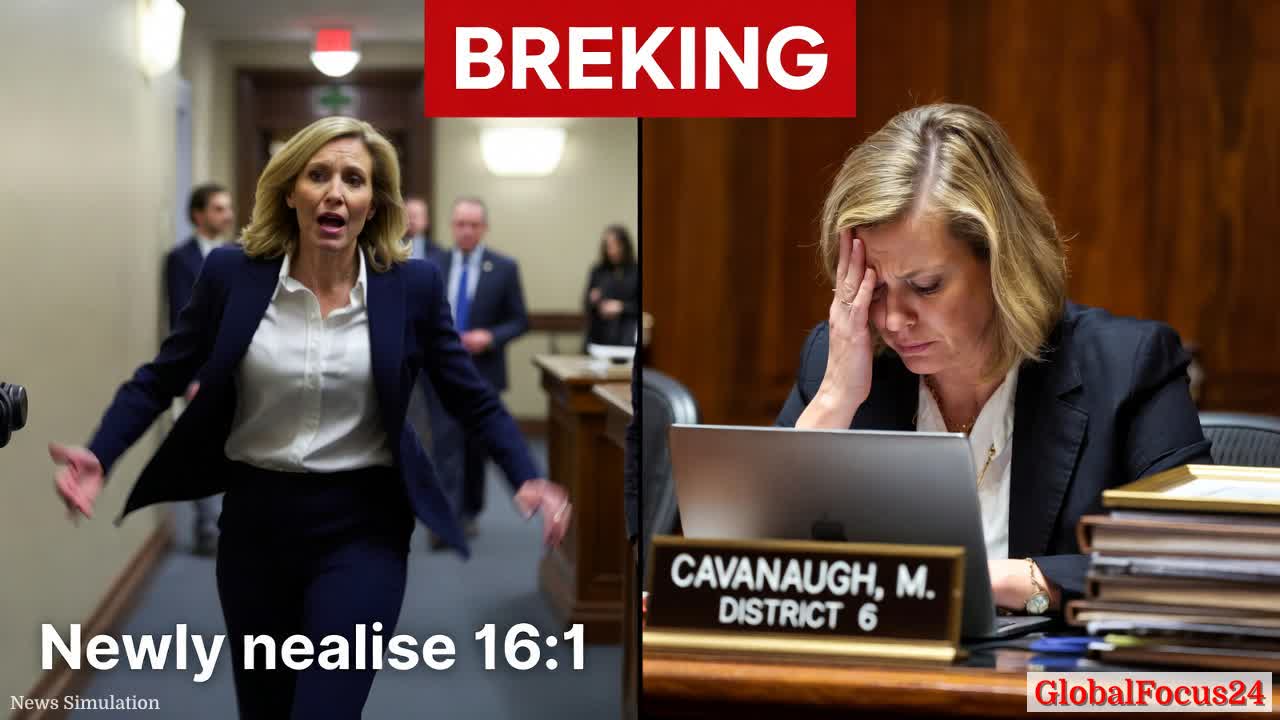
New Jersey Assemblymember M. Cavanaugh Departs Chamber in Distress: A Closer Look at the Incident and Its Implications
A moment of high tension in the New Jersey State Assembly drew swift attention on the floor when Assemblywoman M. Cavanaugh abruptly exited the chamber during a session, moving quickly down a hallway with visibly agitated posture. Security footage captured the scene, showing her arms extended as she sped away from the legislative floor. Moments later, she returned to the assembly area and was observed at her desk marked “CAVANAUGH, M. DISTRICT 6,” head in hand, concentrating on a laptop amid stacks of framed documents. The incident, while tense in the moment, has broader implications that extend beyond a single doorway—touching on the pressures of public office, the rhythms of legislative work, and the practical realities of governance.
Historical context of legislative stress and public accountability
The New Jersey Legislature, like many state legislatures, operates under a demanding cadence of sessions, committee hearings, and rapid response to evolving policy challenges. For Assemblymembers representing diverse districts, the work involves balancing constituent needs, party priorities, and fiscal constraints within a framework of procedural rules and public scrutiny. Historically, moments of visible strain or disruption—while not commonplace—have occurred across jurisdictions as elected officials navigate complex policy debates, high-stakes votes, and the constant pacing of a modern legislative calendar.
The incident with Assemblywoman Cavanaugh arrives at a time when state legislatures confront a broad array of issues, from budget allocations and economic resilience to public health and infrastructure investments. The emotional and cognitive load of this workload can be substantial, particularly during periods of heightened legislative activity or contentious votes. Observers often note that the effectiveness of governance hinges not only on policy content but also on the leadership, teamwork, and procedural norms that allow lawmakers to function under pressure. In this context, a moment of withdrawal may reflect a genuine need for space to recalibrate, a necessary pause to maintain focus, or a broader signal of the intense environment in which lawmakers operate.
Economic impact and the policy landscape
New Jersey’s economy has been characterized in recent years by a transition toward high-skill industries, manufacturing, logistics, and a growing service sector. The state’s policy decisions—ranging from tax incentives and workforce development to infrastructure modernization and energy strategy—directly influence business investment, job creation, and regional competitiveness. When legislative sessions address matters such as the state budget, transportation funding, or economic development initiatives, the outcomes can ripple through multiple sectors:
- Infrastructure and construction: Funding decisions for roads, bridges, and transit projects affect contractor activity, materials markets, and local employment. Sustained investment can stimulate regional growth, while delays or reallocations may temper near-term outcomes.
- Workforce development: Programs aimed at upskilling workers in response to evolving industry needs influence productivity, wage growth, and long-run regional competitiveness.
- Tax policy and incentives: Changes to corporate and personal tax considerations can impact business decisions, location choices, and the broader investment climate.
- Energy and environment: Energy policy, including grid modernization and resilience, shapes utility costs, industrial competitiveness, and innovation in clean-energy sectors.
In this framework, the 2026 legislative session—and any episodes within it—are part of a continuum of policy activity that coordinates fiscal discipline with targeted investments. The immediate reaction to a lawmaker’s visible distress may not alter policy outcomes directly, but it does illuminate the human dimension of lawmaking and the public’s interest in how representatives manage pressure, collaborate under strain, and maintain focus on constituents’ needs.
Regional comparisons: stress, procedure, and public perception
States across the Northeast share a common set of procedural pressures: committee-heavy calendars, tight floor schedules, and a media environment that rapidly amplifies dramatic moments. A comparative lens can shed light on how different legislative cultures handle stress and maintain continuity of governance:
- New York and Pennsylvania: These states often emphasize robust committee processes and extensive public hearings. When tense moments arise in those chambers, public narratives frequently center on decorum and procedural resolution, with emphasis on the action following a pause or withdrawal.
- Massachusetts and Connecticut: With strong emphasis on bipartisan engagement and negotiation, moments of disruption can trigger renewed intra-chamber dialogue, aimed at diffusing tension and sustaining momentum for policy work.
- New Jersey: The state’s legislative culture tends to balance vigorous policy debate with practical concerns about implementing complex budgets and programs. Incidents of visible strain underscore the ongoing challenge of reconciling competing interests while delivering tangible results for diverse districts.
In each regional context, stakeholders—including constituents, advocacy groups, business leaders, and public-service organizations—watch for signals about lawmakers’ capacity to manage stress, deliberate carefully, and advance meaningful reforms. The immediate optics of a sudden exit from the chamber can provoke questions about wellness, procedure, and the support structures available to legislators as they navigate high-stakes debates.
Policy implications and governance considerations
While the incident itself is tactical in nature, several governance considerations surface:
- Legislative wellness and support: Prolonged periods of intense policy debate can affect members’ mental and emotional well-being. Legislatures may consider enhanced wellness resources, clearer procedures for temporary withdrawal, and robust leadership practices to preserve focus without undermining the dignity of the legislative process.
- Continuity of business: In moments of disruption, the chamber’s ability to resume proceedings efficiently is critical. Clear rules for temporary adjournments, recesses, and back-channel consultations help maintain momentum and reduce unintended delays.
- Constituency engagement: District offices and communications channels play an important role in explaining disruptions to constituents. Transparent messaging that emphasizes ongoing work, transparency, and accountability can help sustain public trust during challenging sessions.
- Policy execution risk management: For policy areas with tight timelines (e.g., budget cycles, grant approvals, procurement deadlines), minimizing disruption and ensuring timely decisions is essential to prevent delays that could affect funding and program delivery.
Public reaction and communication dynamics
Public reaction to a moment of distress in the chamber often blends concern for the individual with broader curiosity about governance. In today’s information environment, where real-time updates and social media commentary shape perceptions, lawmakers’ responses—both in public and behind the scenes—are scrutinized. The compassionate and professional handling of such moments matters: colleagues’ supportive gestures, formal statements, and subsequent demonstration of continued commitment to legislative duties all contribute to the public narrative.
Historically, the public has shown a preference for stability and competence in government leadership. Yet, audiences also recognize that public servants operate under demanding conditions and that occasional pauses or human moments do not necessarily reflect a lack of capability. The challenge for elected officials is to balance transparency about the pressures they face with a steady, outcome-focused approach to governing.
Background and district context
M. Cavanaugh serves a district with particular economic and demographic characteristics that shape her legislative priorities. District-level considerations often include local infrastructure needs, small-business support, public safety concerns, and access to quality services. Representatives in district-based roles must navigate a mix of regional priorities while contributing to statewide policy initiatives. The incident, viewed through this lens, underscores the importance of robust district-level responsiveness and the ongoing effort to translate legislative decisions into tangible improvements for constituents.
Operationalizing lessons for the legislature
Looking ahead, several practical steps could help the chamber absorb shocks without compromising policy progress:
- Streamlined processes: Reassessing procedural norms to reduce bottlenecks and ensure that urgent matters proceed with minimal downtime.
- Mental health resources: Providing confidential support for legislators, staff, and aides to help manage the stress associated with public service.
- Communication protocols: Establishing clear, consistent communication plans for moments of disruption to reassure the public while maintaining accountability.
- Nonpartisan briefings: Increasing access to objective, data-driven information to inform debate and reduce cycles of partisan tension that can heighten stress.
Regional economic resilience and policy alignment
New Jersey’s resilience strategy hinges on aligning economic development with workforce readiness, infrastructure modernization, and innovation ecosystems. As the state seeks to attract investment and secure a competitive position in a dynamic national and global economy, legislative decisions around tax policy, public capital projects, and regulatory modernization carry outsized importance. The episode at hand, while localized, sits within a broader narrative about the state’s ability to govern effectively in a high-stakes environment, adapt to shifting economic conditions, and maintain momentum on long-term strategic goals.
Conclusion: the human element in public service
Public governance blends policy expertise with personal resilience. Assemblymember Cavanaugh’s moment in the hallway—seen and interpreted by colleagues, staff, and constituents—highlights the human dimension of political leadership. It serves as a reminder that lawmakers operate under intense pressure and that the organizational and cultural supports around them matter just as much as the policy directives they carry.
In the days ahead, observers will look to how the chamber resumes business, what measures are adopted to ensure smooth proceedings, and how legislators balance the need for rigorous debate with the imperative to deliver timely results for the state’s residents. The broader story remains one of governance under strain—an ongoing test of institutions, leadership, and the everyday courage required to steward public resources in service of a diverse and evolving economy.