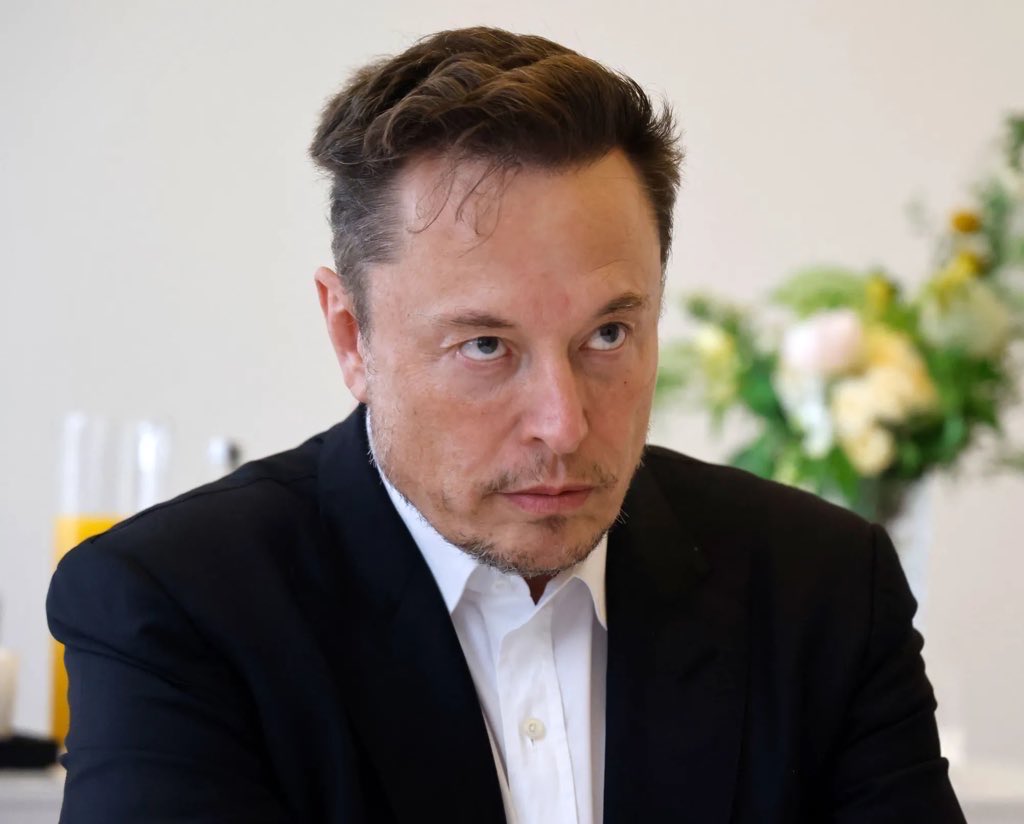
Elon Musk Urges Release of Britons Jailed Over Social Media Posts, Igniting Debate on Online Speech Laws
Rising Scrutiny of UK Social Media Arrests
Elon Musk has called for the immediate release of thousands of individuals in the United Kingdom who have been jailed or detained over social media activity, intensifying scrutiny of the country’s approach to online speech enforcement. The technology entrepreneur described the situation as transforming Britain into a “prison island,” arguing that legal penalties tied to digital expression have expanded beyond reasonable limits.
The comments arrive amid growing attention to enforcement data from England and Wales, where authorities recorded more than 12,000 arrests in 2023 linked to online communications deemed indecent, offensive, or threatening. These arrests fall under a combination of laws governing malicious communications, public order offenses, and telecommunications misuse.
While British officials maintain that such laws are necessary to address harassment, threats, and harmful content, critics argue that enforcement has become overly broad, capturing speech that falls into ambiguous or subjective categories.
Legal Framework Behind Online Speech Enforcement
The United Kingdom’s regulatory structure for online communication has evolved over decades, shaped by laws such as the Malicious Communications Act 1988 and the Communications Act 2003. These statutes were originally designed to address threatening letters, prank calls, and other forms of harassment but have since been adapted to apply to social media platforms, messaging apps, and digital forums.
Under these laws, individuals can face fines or imprisonment if their messages are deemed:
- Grossly offensive or indecent.
- Menacing or threatening.
- Intended to cause distress or anxiety.
Authorities argue that the flexibility of these definitions allows law enforcement to respond quickly to emerging forms of digital abuse. However, legal scholars and civil liberties advocates have long warned that vague terminology can lead to inconsistent enforcement and potential overreach.
The debate has intensified as social media usage has become nearly universal, blurring the line between private expression and public communication.
Historical Context of Speech Regulation in Britain
Britain’s approach to regulating speech has historically differed from that of countries like the United States, where the First Amendment provides strong protections for expression. The UK has traditionally balanced free speech with considerations of public order, defamation, and harm prevention.
In the pre-digital era, restrictions were largely focused on print media, broadcast standards, and public gatherings. The rapid rise of online platforms in the early 21st century forced lawmakers to reinterpret existing legislation rather than create entirely new frameworks.
This patchwork adaptation has led to a system where older laws are applied to modern technologies, sometimes producing unintended consequences. For example, statements made in moments of frustration or humor online can be evaluated under the same legal standards as deliberate threats.
The expansion of enforcement reflects broader global trends, as governments attempt to address misinformation, harassment, and harmful content in increasingly complex digital environments.
Scale of Arrests and Public Reaction
The reported figure of over 12,000 arrests tied to online activity in a single year has become a focal point in the current debate. While not all arrests result in prosecution or imprisonment, the scale itself has raised concerns among observers about proportionality.
Public reaction has been mixed:
- Some support strict enforcement, citing the need to combat online abuse, hate speech, and threats.
- Others view the approach as excessive, arguing that it risks criminalizing ordinary expression.
- Legal experts have called for clearer guidelines to ensure consistency and fairness in enforcement.
Musk’s remarks have amplified these concerns internationally, bringing renewed attention to how democratic societies manage speech in the digital age.
Economic Impact of Digital Speech Enforcement
Beyond legal and ethical considerations, the enforcement of online speech laws carries economic implications. Policing digital communication requires significant resources, including specialized cybercrime units, monitoring systems, and legal proceedings.
Critics argue that allocating substantial resources to speech-related offenses may divert attention from more serious crimes, particularly in a context where law enforcement agencies face budget constraints and rising demand.
Additionally, the perception of strict speech regulation can influence the broader digital economy. The United Kingdom has positioned itself as a major hub for technology, finance, and innovation, with a thriving startup ecosystem and global investment flows.
However, concerns about regulatory uncertainty or overreach may affect:
- Investor confidence in digital platforms operating within the UK.
- Decisions by tech companies regarding data policies and user moderation.
- The willingness of entrepreneurs to develop new communication technologies.
While there is no immediate evidence of large-scale economic fallout, the ongoing debate highlights the delicate balance between regulation and innovation.
Comparison With Other Countries
The United Kingdom’s approach to online speech enforcement differs significantly from that of other major economies.
In the United States, protections for speech are among the strongest globally, limiting the government’s ability to criminalize expression except in cases involving direct threats or incitement to violence. As a result, arrests for online speech are comparatively rare.
In contrast, several European countries maintain stricter regulations, particularly regarding hate speech and historical denial laws. Germany, for instance, enforces laws requiring social media platforms to remove illegal content promptly, with fines for non-compliance.
However, the scale of arrests reported in the UK has drawn attention even within Europe, where enforcement typically focuses more on content removal than individual prosecution.
In Asia, regulatory approaches vary widely, with some countries implementing stringent controls over online expression, while others maintain more open frameworks.
This global variation underscores the absence of a universal standard for managing digital speech, leaving each country to navigate its own balance between rights and responsibilities.
The Role of Social Media Platforms
The debate over arrests is closely tied to the role of social media companies in moderating content. Platforms such as X, Facebook, and TikTok have developed their own policies to address harmful or offensive posts, often removing content before it reaches the threshold of legal enforcement.
However, tensions arise when platform moderation intersects with government action. Critics argue that reliance on both corporate policies and legal penalties creates a layered system of control that can be difficult for users to navigate.
Musk, who owns X, has positioned himself as a strong advocate for expansive free speech on digital platforms. His comments on the UK situation reflect a broader philosophy that prioritizes open dialogue, even when content is controversial or offensive.
This stance contrasts with increasing calls from governments worldwide for stricter oversight of online spaces, particularly in response to concerns about misinformation and public safety.
Balancing Public Safety and Individual Rights
At the heart of the issue lies a fundamental question: how should societies balance the protection of individuals from harm with the preservation of free expression?
Supporters of current laws argue that online communication can have real-world consequences, including harassment, intimidation, and psychological harm. They contend that enforcement is necessary to maintain social cohesion and protect vulnerable groups.
Opponents counter that broad enforcement risks suppressing legitimate discourse, particularly when legal definitions are open to interpretation. They warn that the fear of legal consequences may lead to self-censorship, reducing the diversity of viewpoints in public conversations.
The challenge is compounded by the speed and scale of digital communication, where messages can spread rapidly and reach large audiences, amplifying both their impact and the difficulty of regulation.
Growing International Attention
Musk’s intervention has brought global visibility to the issue, sparking discussions beyond the United Kingdom. Observers in other countries are examining how similar laws might be applied within their own jurisdictions, particularly as governments continue to grapple with the complexities of online regulation.
The debate is likely to intensify as new technologies, including artificial intelligence and decentralized platforms, further transform the digital landscape. These developments will introduce new questions about accountability, enforcement, and the limits of legal frameworks designed for earlier eras.
Future Outlook for UK Speech Laws
The controversy surrounding online speech arrests may prompt renewed examination of existing laws and their application. Legal experts have suggested that clearer definitions and updated legislation could help address concerns about inconsistency and overreach.
Potential areas of reform include:
- Refining legal definitions of offensive or harmful communication.
- Establishing clearer thresholds for criminal prosecution.
- Enhancing transparency around enforcement practices.
Whether such changes will materialize remains uncertain, but the issue has firmly entered public discourse, driven in part by high-profile commentary and growing awareness of enforcement patterns.
As digital communication continues to shape modern life, the United Kingdom’s approach to regulating online speech will remain under close scrutiny, both domestically and internationally.