New York City Budget in Focus: Mamdani’s $127 Billion Plan Faces Tax Hike Showdown
New York City’s 2027 budget trajectory took center stage on February 17, 2026, when Mayor Zohran Mamdani unveiled a preliminary plan totaling $127 billion. The proposal marks a meaningful expansion from the prior year’s $116 billion budget and comes as the city confronts a projected $5.4 billion deficit. In a bold move, the plan links the city’s fiscal stability to a potential tax shift aimed at the state level: the mayor signaled that absent state approval to raise income taxes on high earners and corporations, the city would resort to a 9.5% across-the-board property tax increase. That potential levy would affect roughly 3 million residential units and 100,000 commercial properties, generating an estimated $3.7 billion in revenue.
A Budget Standoff with State Government
The budget proposes a “last resort” property tax increase designed to shore up city services while preserving a balanced fiscal picture. The plan argues that the wealthiest New Yorkers and the most profitable corporations should bear a larger share of the burden in light of a multibillion-dollar deficit and ongoing affordability pressures for residents. The proposed tax increases would be layered by property type: single-family homes and small multi-unit buildings would face the steepest rate hikes, while larger apartment towers and commercial properties would see smaller, yet still meaningful, increases. For example, a Park Slope single-family home valued at $3.2 million would see annual taxes rise from approximately $8,700 to about $9,500, and a Upper West Side condominium would face a tax rise from roughly $14,926 to $16,345.
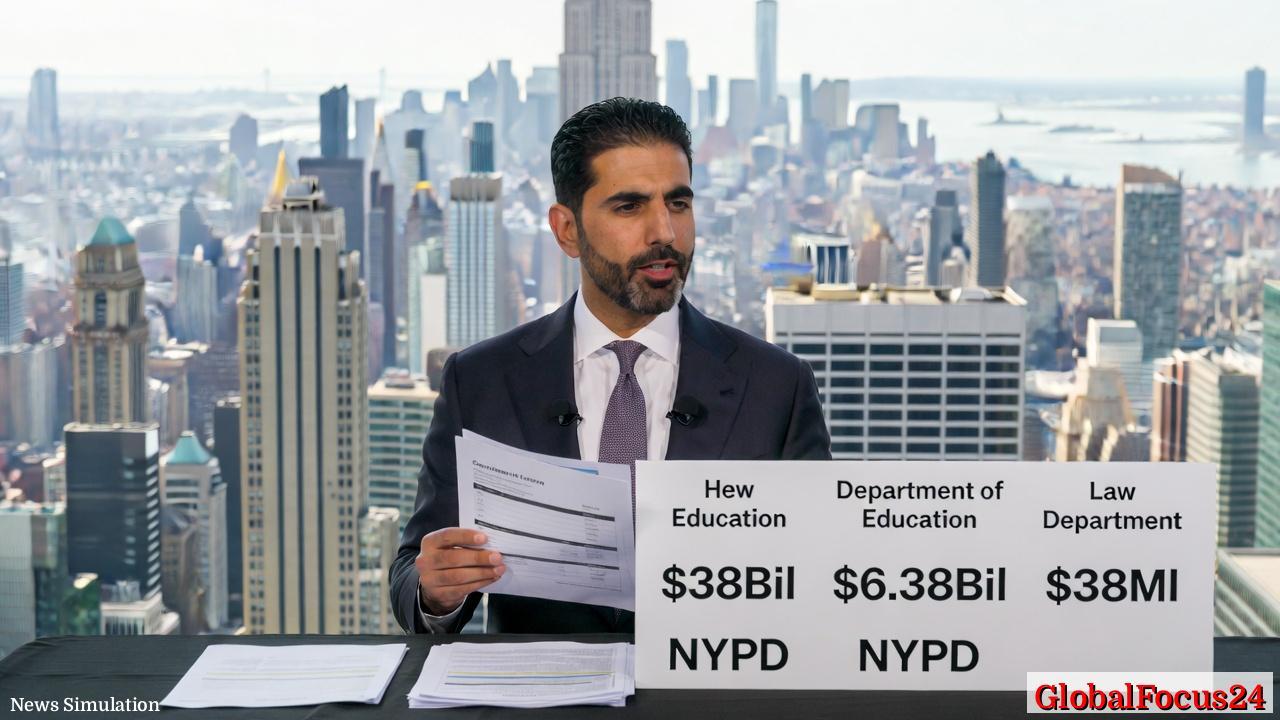
The mayor framed the measure as a necessary step to protect essential city services, highlighting education, public safety, and infrastructure as priorities. To help balance the budget without immediate tax growth, the administration also plans to draw more than $3.25 billion from the city’s reserves and tap additional savings. The plan allocates substantial resources to core areas: $38 billion for the Department of Education, up $3 billion from the previous year; $6.38 billion for the New York Police Department, a modest increase of $100 million; and $38 million for the Law Department to hire hundreds of staff and bolster legal capacity.
The state’s response could determine the plan’s fate. Governor Kathy Hochul has expressed opposition to broad-based tax increases and has already signaled resistance to raising taxes on the wealthy, a stance that complicates any likelihood of Albany granting the mayor’s preferred tax lever. Hochul’s position—described by local observers as a political stance tied to her re-election trajectory—puts the city at a defensive posture, forced to weigh the economics of a tax increase against the political risks of a protracted confrontation with state leaders.
Economic Context and Historical Perspective
The 2027 budget arrives amid a complex economic backdrop for New York City. The city has faced persistent affordability challenges, from housing costs to living expenses, while grappling with the ripple effects of national macroeconomic trends such as inflation, workforce shifts, and supply-chain disruptions that linger in municipal operating costs. Historically, property taxes have been a sensitive tool for cities to fund essential services, but they carry implications for residents and businesses alike. A significant uptick in property taxes can influence housing markets, affect small landlords, and shape commercial investment decisions in a city that already contends with high operating costs.
From a historical vantage point, New York City has periodically used reserve funds and one-off revenue measures to bridge budget gaps during economic stress. The Mamdani administration’s reliance on reserves signals a familiar pattern of emergency financing, paired with targeted spending adjustments. Yet the combination of tightened reserves and a proposed across-the-board property tax increase marks a particularly high-stakes approach, given the city’s population size and the breadth of services funded through the general fund.
Regional Comparisons and Implications
New York City is not alone in facing budgetary pressures that require balancing service needs with revenue growth. Several large U.S. cities have navigated similar crossroads, implementing a mix of tax adjustments, spending reforms, and reserve utilization to stabilize budgets. For example, other major urban centers have pursued targeted levies on high-income individuals or large corporations as a way to shield essential public services from more drastic cuts. However, political dynamics at the state level often determine whether such measures can be enacted, and city officials must weigh the economic consequences for neighborhoods with varying levels of affluence and housing stock.
In the broader regional context, the proposal underscores a longstanding tension between revenue-raising strategies and affordability for residents. The proposed property tax increases would likely have a measurable impact on homeowners and renters who fund property tax through rent adjustments or direct payments in ownership structures with shared tax assessments. In the short term, the city may experience heightened public scrutiny and anxiety as residents monitor how the deficit is addressed and which segments of the economy bear the cost.
Public Reaction and Expert Commentary
Public reaction to the preliminary budget has been a mix of concern, skepticism, and cautious support. City Comptroller Mark Levine warned that the property tax proposal could produce “dire consequences” and described the current fiscal strain as among the greatest since the Great Recession. He urged a focus on efficient spending and prudent allocation of resources before resorting to tax increases. The Citizens Budget Commission has likewise pressed for prioritized, efficient use of every dollar in the city’s $127 billion plan, arguing that fiscal discipline must precede any broad-based tax measures.
Some city officials and progressive lawmakers voiced reservations about dipping into rainy-day reserves to prop up the budget and about the scale of the proposed property tax hike. City Council Speaker Julie Menin emphasized that the affordability crisis demands careful consideration of the tax strategy unless Albany approves a broader funding framework. The City Council’s role in approving any property tax increase makes the budget process a collaborative, negotiative effort that could shape the regime of revenues for the next fiscal year.
Political dynamics add further complexity. Observers describe the mayor’s approach as strategic posturing aimed at signaling to Albany the seriousness of the city’s fiscal needs. A political consultant noted that the move could be a high-stakes gamble designed to force state leaders to address the city’s revenue needs, while a Democratic insider cautioned that the plan is risky and could expose the mayor to political backlash if the state resists. The negotiation phase, expected to span through spring and into early summer, will require careful coalition-building within the City Council and alignment with state partners.
Policy Implications and Service Impacts
If adopted, the 2027 budget would maintain a broad set of city services while intensifying the funding available for education and public safety. The increased education budget suggests a continued emphasis on classroom resources, teacher recruitment, and student support programs. The slightly higher NYPD allocation indicates a continued commitment to public safety, even as calls for reform and accountability persist across departments. Additional hires in the Law Department signal a push to strengthen the city’s legal capacity to manage a wide range of urban issues, from real estate compliance to civil rights enforcement.
Beyond thesefigures, the budget proposal raises questions about long-term fiscal health and resilience. How the city allocates capital funds, manages debt, and controls operating costs will determine the sustainability of services during economic downturns. The reliance on reserves and potential tax increases also highlights the need for transparent governance and measurable outcomes to demonstrate value for taxpayers.
Operational Outlook for 2027 and Beyond
The budget process will unfold in the coming months with negotiations between the mayor’s administration and the City Council, culminating in a final budget approved by June 5, 2026, and a July 1 start date for the fiscal year. The state budget timetable, with a due date of April 1 but common delays, will influence timing and scope of any state-level actions, including tax policy changes. City leadership will need to balance the urgency of funding critical services with the political realities of legislative action at the state level.
Looking ahead, several factors could shape outcomes. The city could explore alternative revenue streams, such as targeted assessments or user fees for specific services, to complement property taxes. Efficiency initiatives and program reforms could also help shrink the deficit or reduce reliance on reserve funds. The broader economic environment—including employment trends, wage growth, and housing markets—will play a key role in determining whether the city can sustain its services without triggering broader economic disruption for residents and businesses.
Conclusion: Navigating Fiscal Pressures with Prudence and Prudence in Policymaking
New York City’s 2027 preliminary budget presents a comprehensive response to a sizable fiscal challenge. The proposed combination of increased spending on essential services, strategic use of reserves, and a potential property tax increase reflects a willingness to pursue revenue enhancements tied to the city’s wealth and corporate activity. Yet the plan’s success hinges on state cooperation and the City Council’s capacity to translate intentions into executable policy without disproportionately burdening specific communities.
As lawmakers engage in deliberations in Albany and City Hall, observers will closely watch how the city balances its commitment to public services with the fiscal realities of a large, diverse urban population. The coming weeks will likely unfold a nuanced negotiation—one that tests the resilience of New York City’s governance structures, scrutinizes the efficiency of program delivery, and gauges the public’s tolerance for policy choices during a period of affordability concerns and evolving urban needs. The outcome will not only shape the city’s budget for the next fiscal year but also set a tone for how New York plans to sustain its vital services amid ongoing economic change.