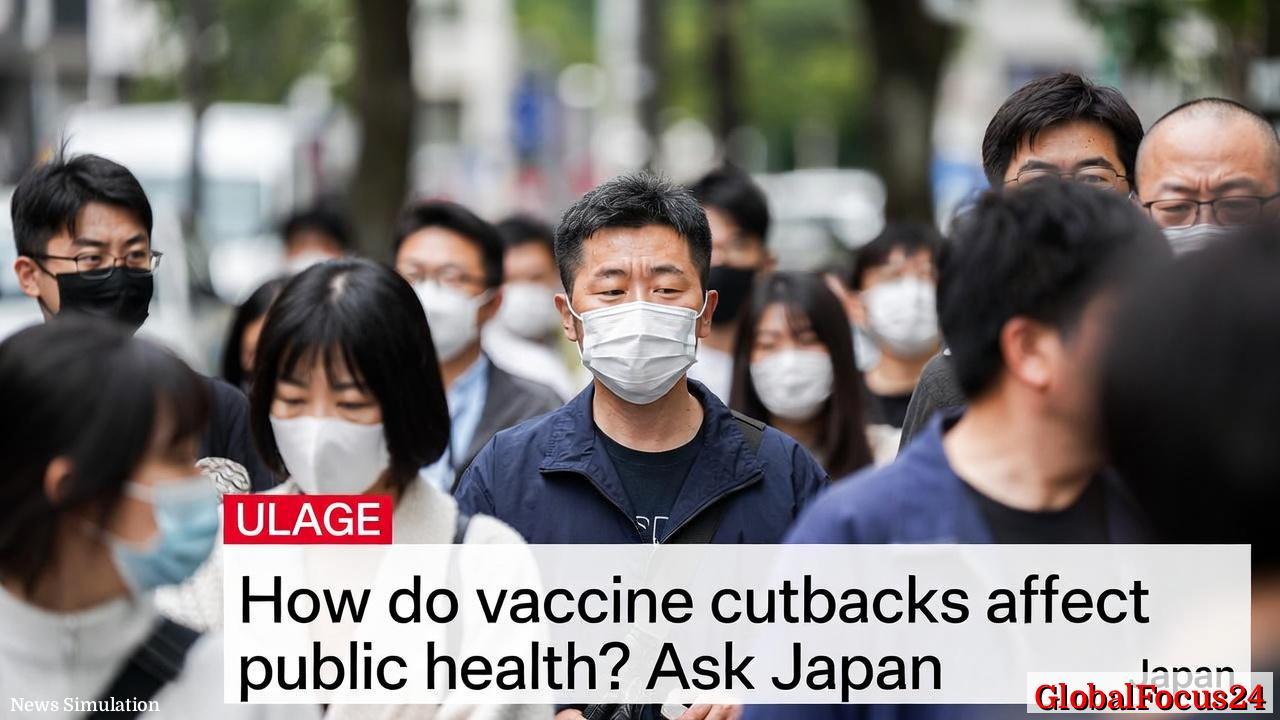
Japan’s vaccination landscape and the consequences of cutbacks on public health
In recent years, public health policymakers have grappled with the delicate balance between timely vaccination campaigns and the financial or logistical constraints that can dampen immunization coverage. When vaccination programs falter or falter in certain age groups, the downstream effects ripple through communities, healthcare systems, and the broader economy. Japan’s experience offers a nuanced lens on how reduced vaccine uptake among children can alter disease dynamics, health outcomes, and regional comparisons with other high-income countries.
Historical context: Japan’s immunization framework and past shifts
- Japan’s early universal vaccination experience emerged alongside rapid postwar modernization, with notable milestones for diseases such as measles, rubella, and pertussis. Over decades, mandated schedules, national vaccination strategies, and school-entry requirements shaped uptake patterns and coverage levels. Historical context matters because shifts in policy, financing, or public confidence can produce measurable changes in disease incidence and herd immunity thresholds. These dynamics are visible in timelines where changes to vaccination recommendations or funding coincided with detectable changes in outbreak frequency and age distribution of cases .
- The country’s public health infrastructure emphasizes surveillance, catch-up campaigns, and close collaboration between national and local authorities. When resources tighten or operational flourishes wane—such as during economic slowdowns or periods of vaccine hesitancy—coverage can dip in pockets, creating vulnerabilities in communities with lower baseline immunity. Understanding these patterns helps explain why even temporary reductions in pediatric vaccination can lead to more clusters of transmission or localized outbreaks .
Public health implications of reduced pediatric vaccination
- Direct protection and herd immunity. Childhood vaccination programs are designed to create direct protection for vaccinated individuals and indirect protection for those who are unvaccinated or ineligible, through herd immunity. When vaccination rates decline, the protective shield weakens, increasing the risk of transmission in schools, playgrounds, and community settings. This loss of collective protection can translate into higher incidence of vaccine-preventable diseases and greater clinical burden across pediatric and adult populations who encounter these pathogens. Evidence from long-running immunization programs demonstrates that lapses in coverage correlate with upticks in school-age cases and, in some instances, spillover to vulnerable groups such as infants and people with compromised immune systems .
- Disease burden and healthcare utilization. Increases in preventable diseases typically lead to higher rates of clinic visits, hospitalizations, and, in severe cases, intensive care admissions. Even modest shifts in vaccine uptake can alter the trajectory of disease seasons, placing strain on pediatric wards, emergency departments, and outpatient services. This translates into higher medical costs, greater caregiver burden, and potential reductions in routine pediatric care as resources are diverted to outbreak management. Comparative analyses across high-income countries show that stronger vaccination coverage consistently aligns with lower pediatric hospitalizations for diseases such as influenza and varicella, reinforcing the public health and economic rationale for maintaining high immunization rates .
- Economic costs and productivity. Beyond clinical outcomes, vaccination cutbacks influence economic activity. Families face time off work for caregiving and medical appointments, while healthcare systems incur costs associated with treating preventable illnesses. Public payers and private insurers may experience elevated expenditures when outbreaks occur, underscoring the broader macroeconomic implications of maintaining robust pediatric immunization programs. Cross-country comparisons consistently link higher vaccination coverage with reduced indirect costs and more stable workforce productivity during disease seasons .
Regional comparisons: what Japan’s experience can teach the United States and others
- Lessons on timing and catch-up efforts. Japan’s experience illustrates the value of timely catch-up vaccination campaigns when gaps appear. Delays in replenishing coverage after a lull can allow transmission chains to re-establish, making subsequent outbreaks more challenging to contain. This underscores the importance of rapid public health response, clear communication, and accessible vaccination services to minimize the duration of reduced uptake periods in any country .
- Importance of school-based programs and accessible clinics. School-based vaccination campaigns and convenient access points for families are recurring themes in successful immunization strategies. In settings where vaccination sits alongside routine healthcare, coverage tends to be more resilient to brief disruptions. Japan’s model, which combines national guidance with local delivery channels, highlights the potential benefits of integrating vaccination services into everyday community infrastructure to dampen the impact of temporary cutbacks .
- Measuring impact through surveillance and data-sharing. Robust, timely data enable health authorities to detect coverage declines quickly and assess associated changes in disease patterns. Countries with integrated surveillance ecosystems can respond with targeted outreach, extended clinic hours, and mobile vaccination units to reach underserved populations. The Japan-US comparative lens emphasizes that transparent data sharing and coordinated response are essential to mitigating health and economic consequences of vaccination gaps .
Societal and public reaction: public confidence, communication, and behavior
- Public perception during cutbacks. When vaccination services are disrupted or when news about vaccine availability circulates with uncertainty, public confidence can waver. This can amplify hesitancy or delay, creating a cycle where perceived risk feeds into lower uptake. Clear messaging about safety, efficacy, and the importance of maintaining protection is critical to prevent a slide in coverage during periods of logistical strain .
- Behavioral dynamics and risk assessment. Families weigh the perceived risks of disease against the perceived risks or inconveniences of vaccination. In environments where diseases are not visibly present due to prior high coverage, complacency can set in, making it harder to mobilize catch-up initiatives. Conversely, transparent, evidence-based communication about the benefits of immunization helps sustain demand even when clinics face temporary constraints .
Policy implications for sustaining vaccination momentum
- Financing and incentives. Stable financing for immunization programs—covering vaccines, cold-chain logistics, staff training, and outreach—reduces vulnerability to budgetary shocks. Policymakers in Japan and other high-income nations have emphasized the need for predictable funding streams to maintain high coverage, especially for vaccines with transitioning recommendations or newly introduced products. This financial backbone supports consistent delivery of vaccines in pediatric populations and minimizes abrupt cutbacks in coverage .
- Access and equity. Equitable access to vaccination services remains a central pillar of public health. Ensuring that routine immunization is available outside traditional clinic hours, in community settings, and through school-based programs can mitigate the effects of localized cutbacks. Equity-focused strategies help protect vulnerable groups, reduce disparities in disease burden, and strengthen overall population immunity .
- Preparedness for resurgence. Public health authorities should plan for potential resurgence scenarios by maintaining stockpiles, updating vaccine guidelines, and regular training for healthcare workers. Preparedness enables a rapid response to outbreaks and can prevent a full-blown health emergency when vaccination momentum temporarily slows. Lessons from Japan and comparable health systems emphasize that proactive planning is a robust defense against the health and economic costs of delayed immunization .
Conclusion: translating lessons into resilient public health practice
Maintaining high pediatric vaccination coverage is a cornerstone of public health, with wide-ranging implications for population health, healthcare capacity, and economic stability. Japan’s experiences with vaccine cutbacks offer a cautionary but constructive blueprint: temporary declines in child vaccination can lead to higher disease transmission, greater pressure on health systems, and increased costs for families and policymakers. Simultaneously, the experience underscores the value of swift catch-up campaigns, integrated service delivery, transparent communication, and robust surveillance to safeguard communities against preventable diseases. By translating these lessons into policy—prioritizing stable funding, expanding access, and strengthening data-driven responses—countries can reduce the health and economic footprint of vaccination gaps while preserving the hard-won gains of immunization programs. The broader takeaway is clear: resilience in vaccination systems is not only a medical objective but an economic and social imperative that protects communities across generations.