The Escalating Confrontation Over Iran’s Nuclear Program: A Turning Point in the Middle East
The confrontation between Iran, the United States, and Israel has entered one of its most perilous phases in decades. After years of rising tensions, covert sabotage operations, and failed diplomacy, military strikes have now pushed the long-running nuclear standoff into open conflict. As the region braces for potential escalation, the stakes are high not only for the Middle East’s fragile balance of power but also for the global economy and international security architecture that has struggled to contain Iran’s nuclear ambitions for nearly a quarter of a century.
The Long Road to Confrontation
The roots of Iran’s nuclear program stretch back to the 1950s, when Washington itself, under President Dwight D. Eisenhower’s “Atoms for Peace” initiative, supported the early stages of Tehran’s nuclear research. The 1979 Islamic Revolution severed that cooperation, replacing a pro-Western monarchy with a theocratic regime deeply suspicious of outside influence. In the decades since, Iran’s leadership has cited the country’s “inalienable right” to pursue nuclear technology for peaceful purposes, while Western governments have accused it of secretly seeking nuclear weapons capability.
Tensions ebbed and flowed through successive U.S. administrations, culminating in the 2015 Joint Comprehensive Plan of Action (JCPOA), a landmark deal designed to curb Iran’s enrichment activities in exchange for sanctions relief. For a time, the agreement slowed Tehran’s march toward a nuclear threshold. That stability began to unravel in 2018, when the United States withdrew from the accord and reinstated wide-ranging economic sanctions. Iran responded by gradually breaching key limits imposed by the deal, enriching uranium to near-weapons-grade levels and barring international inspectors from some facilities.
The Spark of a Regional War
In early 2026, after a series of attacks against Israeli and American assets in the Gulf, Washington and Jerusalem coordinated large-scale airstrikes on suspected nuclear sites and missile stockpiles inside Iran. Satellite imagery confirmed heavy bombardment of facilities near Natanz, Fordow, and Isfahan—locations believed to be central to Iran’s uranium enrichment efforts.
The strikes, described by military officials as “surgical,” aimed to cripple Iran’s nuclear infrastructure without triggering a wider war. Yet, Tehran’s swift retaliation—ballistic missile launches at Israeli bases, drone swarms targeting U.S. naval assets in the Persian Gulf, and cyberattacks against Western infrastructure—has shattered hopes of a limited conflict. What was initially presented as a preemptive measure to delay Iran’s nuclear progress has instead opened the door to sustained hostilities.
Strategic Objectives and Uncertain Outcomes
For the United States and Israel, the campaign’s objective is clear: to set back Iran’s ability to develop a nuclear bomb by years, if not permanently. Intelligence assessments suggest that Iran has the technical know-how and enough fissile material for several nuclear devices, though weaponization—the process of creating a deliverable warhead—remains uncertain. Disrupting that process is seen as vital to preventing a nuclear-armed Iran, which many analysts believe could trigger a regional arms race involving Saudi Arabia, Turkey, and Egypt.
Yet history offers sobering lessons. Israel’s 1981 strike on Iraq’s Osirak reactor and its 2007 bombing of a suspected Syrian nuclear site successfully destroyed key facilities, but neither faced the scale or complexity of Iran’s dispersed, heavily fortified program. Many of Iran’s centrifuges are now buried deep underground, protected by advanced air defenses and shielded by civilian infrastructure. Military pressure alone is unlikely to end the nuclear threat; at best, it may only buy time.
The Economic Consequences
Even before the first missiles struck, global energy markets were on edge. The Persian Gulf, responsible for nearly one-fifth of the world’s oil supply, is once again a flashpoint. Within days of the attacks, crude prices spiked above $120 a barrel—levels not seen since the early 2020s energy crises. The Strait of Hormuz, a narrow maritime chokepoint through which much of the region’s oil exports flow, has become a contested zone, with reports of tanker seizures and mining attempts.
The economic fallout is reverberating far beyond the Middle East. Inflation, which many economies were only just beginning to tame after the pandemic and subsequent supply chain disruptions, now threatens to resurge as energy costs climb. Import-dependent nations in Asia and Europe face renewed pressure, while the United States confronts political scrutiny over rising gasoline prices during an election cycle. Central banks, having signaled interest rate cuts earlier this year, may be forced to pause or even reverse course to counter an inflationary shock.
Diplomatic Efforts and the Search for a Deal
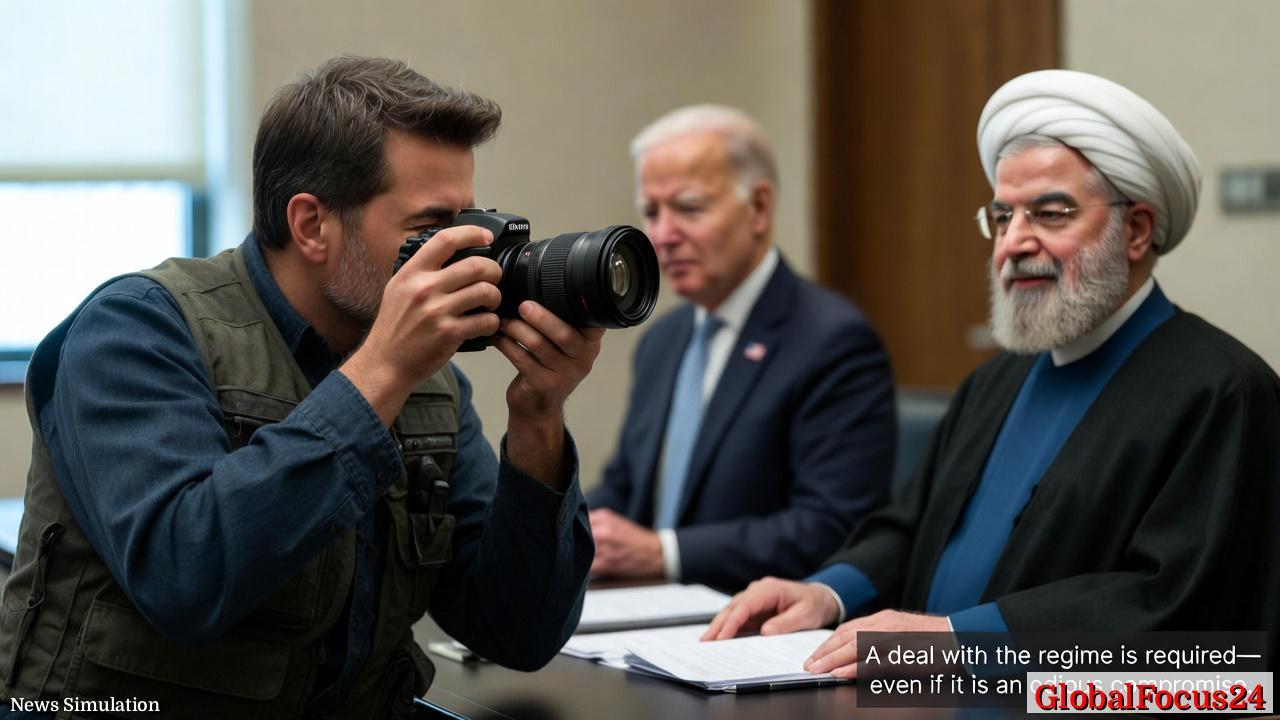
Despite the gunfire, back-channel talks remain quietly underway. Oman, Switzerland, and Qatar—each with a history of mediating between Iran and Western powers—are reportedly facilitating indirect communication to explore what one diplomat called “a painful but necessary deal.” The logic behind such a compromise is pragmatic: total destruction of Iran’s nuclear know-how is impossible, and permanent military occupation is politically unsustainable. The only durable outcome, therefore, may be a negotiated cap on enrichment, enhanced inspections, and perhaps limited sanctions relief in exchange for verifiable restrictions.
Critics argue that returning to the negotiating table so soon after strikes risks rewarding aggression. Yet supporters contend that without a diplomatic framework, conflict will only delay the inevitable—and at great cost. As one Western analyst observed, “You can bomb a facility, but you can’t bomb knowledge.” Iranian scientists, many trained abroad, could rebuild much of the program once the immediate crisis passes. A negotiated freeze, though imperfect, may represent the least dangerous path forward.
Regional Reactions and Calculations
The response across the Middle East has been varied and cautious. Saudi Arabia, the United Arab Emirates, and other Gulf monarchies—long wary of Iranian expansionism—have quietly welcomed efforts to weaken Tehran’s military capabilities while publicly urging restraint to prevent further instability. Meanwhile, Iraq and Lebanon, whose political factions are heavily influenced by Iran-backed militias, are bracing for potential spillover violence.
In contrast, Turkey has positioned itself as a neutral broker, calling for an emergency meeting of the Organization of Islamic Cooperation to address both the humanitarian risks and the need for a nuclear-free Middle East. Israel’s strikes have, however, underscored its willingness to act unilaterally when faced with existential threats—a message not lost on neighboring states.
Historical Parallels and Lessons
This crisis echoes earlier nuclear confrontations that reshaped international diplomacy. The Cuban Missile Crisis of 1962 demonstrated how nuclear brinkmanship can lead to unexpected compromise, while the 1994 Agreed Framework with North Korea illustrated the fragility of such deals when trust erodes. Iran’s current trajectory sits somewhere between these historical extremes—its strategy blending defiance with calibrated restraint, aiming to survive while projecting strength.
Internally, the Iranian government seeks to rally nationalist sentiment, portraying the strikes as proof of Western hypocrisy and hostility. Protests have erupted in some cities, not only against foreign aggression but also against the domestic hardships long exacerbated by sanctions. Analysts warn that if the war deepens Iran’s economic isolation without offering a political off-ramp, it could strengthen the regime’s hardliners rather than weaken them.
Global Stakes and the Path Ahead
The implications of this conflict stretch far beyond Iran’s borders. Nuclear nonproliferation—the cornerstone of post–Cold War international security—is facing one of its gravest tests. A perceived failure to contain Iran could embolden other aspiring nuclear states, undermining decades of arms control efforts. Conversely, a successful diplomatic resolution could revive confidence in multilateral negotiations at a moment when global trust is in short supply.
For now, the world watches with apprehension. Markets fluctuate with every missile report; diplomats shuttle between capitals; and intelligence agencies race to assess how much of Iran’s nuclear infrastructure has truly been destroyed. The coming months will determine whether this war becomes a drawn-out regional campaign or the catalyst for a renewed, if uneasy, peace.
In the end, even the most loathsome adversary may need to be engaged rather than eradicated. The future of the Middle East—and the integrity of the global order—may depend on finding the narrow line between deterrence and diplomacy, destruction and dialogue.