Iran Destroys $1 Billion Worth of US Reaper Drones Amid Escalation: A Comprehensive Analysis
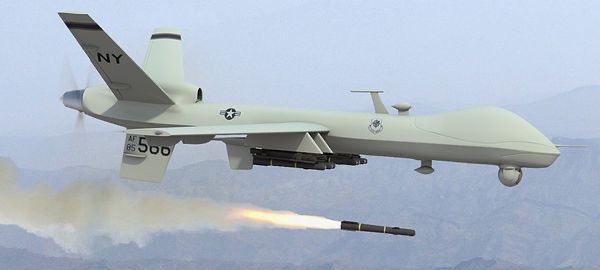
A dramatic development in the ongoing conflict between Iran and the United States has drawn global attention: Iran has reportedly destroyed approximately $1 billion worth of US MQ-9 Reaper drones. With individual drone costs hovering around $30 million, the loss underscores the high stakes of modern unmanned warfare and the escalating toll on both sides. This analysis places the incident in historical context, examines economic implications, and offers regional comparisons to illuminate why this event matters beyond the immediate theater.
Historical context: a century of drone warfare evolution Unmanned aerial systems, or drones, have transformed military doctrine over the past two decades. Early remote-controlled platforms gave way to autonomous flight, advanced sensors, and precision-strike capabilities that recast how states project power without risking human pilots. The MQ-9 Reaper, developed by General Atomics, entered service in the mid-2000s as a long-endurance, high-precision platform designed for intelligence, surveillance, reconnaissance, and strike missions. Its payload flexibility—ranging from Hellfire missiles to precision-guided munitions—made it a workhorse for a newly kinetic form of remote warfare.
Historically, drone losses have fluctuated with technological advances and adversary countermeasures. As air defense systems improve, so too do tactics for evasion, deception, and saturation. The incident in question reflects a broader pattern: even highly capable, well-protected unmanned platforms face integrated air defense challenges, especially in dense, contested airspaces where electronic warfare, hardened structures, and rapid infrared or radar-guided engagements can limit effectiveness. The event is also a reminder of the persistent asymmetry in warfare: while drones amplify tempo, the cost of losing a high-end asset can be disproportionately large relative to traditional aircraft losses.
Economic impact: cost of drones versus warfighting realities The reported destruction of approximately $1 billion worth of MQ-9 Reapers translates into a multi-faceted economic signal for defense budgets, industrial supply chains, and long-term procurement planning. Each MQ-9 payload is carefully calculated to deliver a balance of endurance, payload capacity, and targeting precision. The loss of nine to thirty-plus drones—depending on the exact number reported—has material consequences for sortie generation, maintenance cycles, parts supply, and fleet readiness. Beyond the direct hardware costs, there are ancillary financial implications:
- Operational downtime: Removing drones from service creates schedule gaps, necessitating rapid reconstitution of the fleet through new procurement cycles or accelerated maintenance pipelines.
- Replacement and sustainment: High-value drones require specialized maintenance, training, and logistics support. The cost of replacement airframes, sensors, and mission equipment can extend well beyond the initial purchase price.
- Insurance and risk premium: Recurrent losses of unmanned assets influence risk assessments, potentially increasing insurance costs and influencing the pricing of future contracts for defense programs.
- Industrial impact: The incident reverberates through suppliers involved in turbine engines, avionics, survivability features, and ground-control infrastructure. A disruption in any segment can ripple through regional manufacturing ecosystems, affecting employment and regional economic activity.
- Budgetary planning: Defense ministries and allied partners must weigh the opportunity costs of drone-centric configurations against traditional manned platforms. The escalation can prompt shifts in budget allocations toward air defense capabilities, electronic warfare, and satellite communications to improve resilience.
Regional comparisons: how other actors approach drone warfare The broader regional landscape demonstrates diverse approaches to unmanned systems and air defense dominance. Several regional competitors invest heavily in counter-UAV technologies, emphasizing layered defenses, electronic warfare, and kinetic interceptors. For instance:
- In the Middle East, near-peer and regional actors have accelerated investments in integrated air defense networks, including radar surveillance, surface-to-air missiles, and anti-drone systems. The emphasis is on protecting critical infrastructure, air bases, and maritime chokepoints in congested airspaces.
- In Europe, Western allies have prioritized interoperability and advanced missile defense architectures, ensuring that unmanned platforms can operate within a broader joint system of systems. This includes secure data links, resilient command-and-control, and redundancy against cyber and electronic threats.
- In Asia, several powers pursue both offensive drone capabilities and defensive countermeasures, reflecting a strategic imperative to deny, degrade, and deter adversaries in multi-domain competition. The balance between growth in unmanned platforms and the development of robust air defense is a recurring theme.
- In the Americas, doctrine emphasizes surveillance, reconnaissance, and border security applications, while maintaining readiness for potential high-end conflicts that require integration of aerial, maritime, and space assets.
Operational and tactical implications: what this means on the ground The destruction of a significant drone fleet in a conflict zone has immediate tactical consequences. For one, it compels adversaries to adjust their targeting paradigms and mission planning, often raising the perceived risk of high-value asset exposure. Operators may shift toward more dispersed, redundant systems, alternative platforms (such as manned aircraft or ground-based surveillance), and enhanced electronic warfare to complicate enemy targeting.
From a strategic standpoint, such losses can influence alliance dynamics and coalition planning. When a single event demonstrates vulnerability—and when the cost per asset is substantial—it can spur partners to accelerate joint development of counter-drone capabilities, secure data links, and integrated command structures designed to maximize survivability of surveillance and strike assets in contested environments.
Public reaction and societal implications In the wake of high-profile drone losses, public sentiment often grapples with questions about national security, military ethics, and the human costs of modern warfare. Communities hosting bases or production facilities may experience heightened security measures, while defense workers and contractors grapple with the moral and financial dimensions of sustaining high-technology programs. The psychological impact stretches beyond military brass and policymakers; families, educators, and local economies feel the ripple effects of sustained conflict and the broader political climate that shapes defense spending.
Policy and diplomacy context: signaling and leverage Moments like this carry diplomatic weight. Demonstrators and policymakers may interpret drone losses as indicators of shifting regional power balances, prompting discussions about arms control, conflict de-escalation, or negotiations around restraint in the use of high-precision unmanned platforms. While this analysis remains focused on the economic and tactical dimensions, it’s important to recognize that such incidents can influence negotiations, deterrence postures, and alliance commitments.
Climate and production considerations: supply chains under pressure The production of high-end drones and their subsystems sits at the intersection of global supply chains, specialized materials, and advanced electronics. Any disruption—whether from geopolitical tensions, sanctions, or export controls—can ripple through manufacturing hubs, affecting availability of components such as turbine engines, sensors, and communications gear. Diversification of suppliers, near-shoring of critical components, and investment in domestic defense-industrial resilience have become strategic priorities for nations seeking to reduce vulnerability to external shocks.
Technological lessons: countermeasures and resilience The incident highlights several technical lessons that defense organizations are likely to study closely:
- Counter-UAV proliferations: Adversaries investing in integrated air defenses, electronic warfare systems, and multi-layered interception strategies are pushing drone operators to enhance survivability, range, and software resilience.
- Navigation and control resilience: Redundancies in data links, autonomous fallback behavior, and secure communications are essential to maintaining control under contested conditions.
- Sensor fusion and targeting: High-value platforms rely on sophisticated sensors and fusion algorithms; protecting these systems against spoofing and jamming remains a top priority.
- Maintenance and lifecycle management: As fleets grow in size and complexity, lifecycle costs—spares, repairs, and overhauls—become central to sustaining readiness.
Conclusion: a snapshot of a changing battlefield The reported destruction of a substantial quantity of MQ-9 Reaper drones marks a notable moment in modern warfare. It underscores the ongoing evolution of aerial combat in which unmanned assets enhance intelligence, surveillance, and strike capabilities but remain vulnerable to integrated air defenses and electronic warfare. The economic footprint of such losses is not limited to the upfront cost of the drones themselves; it cascades through maintenance, replacement cycles, supplier networks, and defense budgets, shaping strategic decisions for years to come.
As regional powers adapt to the realities of contested airspace, nations continue to refine a blend of offensive unmanned platforms and robust defense mechanisms. The broader takeaway is clear: the modern battlefield demands a holistic approach that secures airspace, protects critical assets, and ensures resilience in the face of evolving threats. The incident serves as a catalyst for policymakers, defense planners, and industry partners to reassess readiness, invest in counter-UAV capabilities, and strengthen international cooperation aimed at reducing risk while sustaining the practical advantages provided by unmanned systems.
Note: This analysis focuses on the strategic, economic, and operational dimensions of drone losses within the context of contemporary security dynamics.