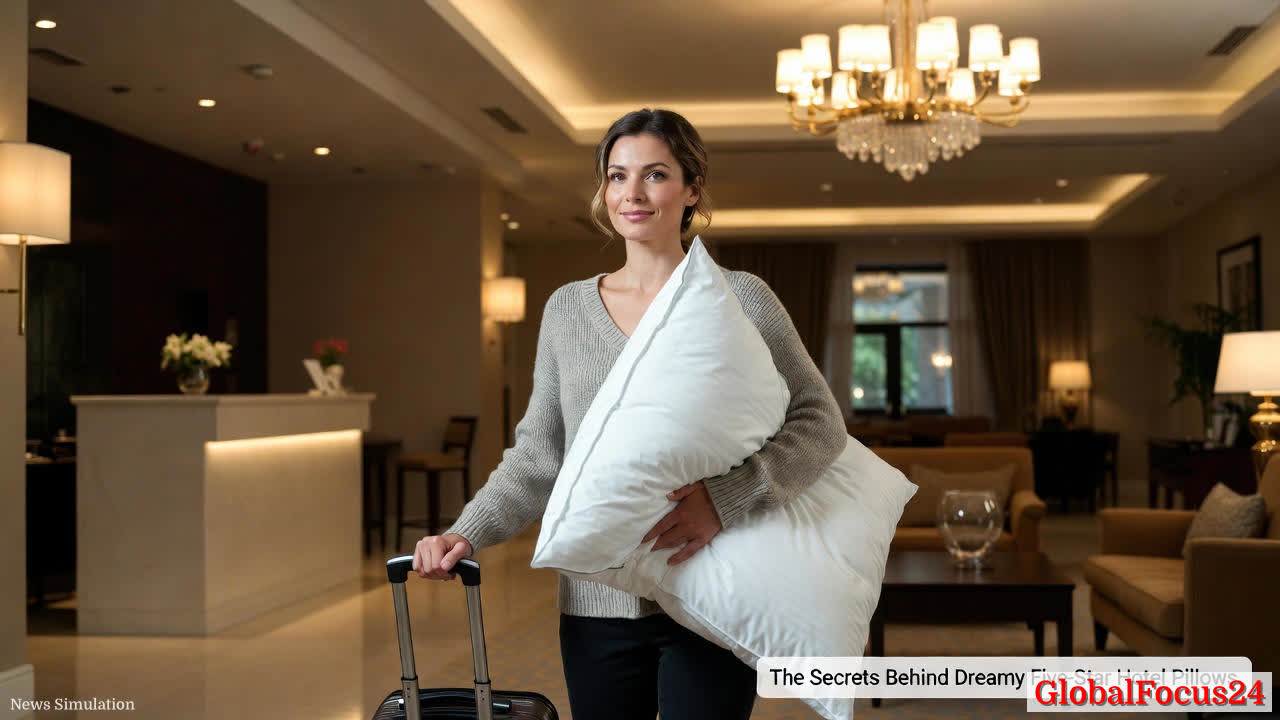
Dreamy Pillows, Luxurious Comfort: The Secrets Behind Five-Star Hotel Sleep
In the world of hospitality, sleep is a competitive edge. Five-star hotels invest heavily in every detail that shapes a guest’s rest, from room temperature to blackout curtains. Yet nothing captures a guest’s memory quite like a pillow. Across corridors of velvet carpet and softly lit lobbies, travelers repeatedly report that a pillow from a luxury hotel feels markedly different from the one at home. This article explores the enduring appeal of five-star pillows, the materials and construction that underlie their comfort, the historical evolution of hotel bedding, the economic impact of premium pillow sourcing, and practical avenues for consumers seeking a comparable sleep experience without compromising on hygiene or fairness.
The historical arc of hotel bedding reflects broader shifts in hospitality, consumer expectations, and manufacturing innovations. In the early days of modern travel, hotels offered basic bedding, with a focus on durability and ease of cleaning rather than comfort. The mid-20th century introduced standardized linens, higher thread-count fabrics, and memory-foam innovations that slowly began to redefine what guests considered “luxury” in bedding. By the turn of the century, high-end properties began collaborating with premium textile houses and pillow manufacturers to curate sleep experiences that could be marketed as differentiators. The emphasis shifted from simply providing a bed to delivering a holistic sleep environment: pressure-relieving supports, allergen management, and tactile richness in fabric quality. Today, many five-star properties maintain pillow menus, offering guests choices tailored to support needs and sleeping positions, a practice that has become a hallmark of luxury hospitality.
Pillows are more than a comfort object; they are a blend of science, craftsmanship, and brand identity. The backbone of a superior hotel pillow rests on two main categories: the fill and the cover. The fill determines loft, resilience, and contouring, while the cover governs breathability, texture, and durability. In many luxury hotels, pillow fills are crafted to balance support and softness. Down and down-alternative fills offer plushness and conformability, while memory foam and latex blends provide more zoned support. High-end hotel pillows often use multi-layer constructions that combine a firmer inner core with a softer outer layer to maintain shape while inviting a gentle cradle for the head and neck. The ticking—thickly woven cotton or cotton-poly blends—serves not only an aesthetic purpose but also a functional one: it enhances durability, reduces clumping, and improves the pillow’s flow against the skin.
Hypoallergenic considerations have become central to modern pillow design. Guests with allergies or sensitivities may notice a marked difference when sleeping on a pillow treated or manufactured to minimize allergen retention. Premium pillows frequently undergo multiple cleaning and sanitizing cycles, with covers and fills that resist dust mites and bacteria. Microfiber and premium cotton covers prohibit moisture buildup, contributing to a cooler night’s sleep for many individuals. The result is a sleep experience that feels both luxurious and hygienic—a crucial factor for many travelers who associate hotel comfort with a sense of safety and cleanliness.
Regional differences shape pillow preferences and availability. In regions with cooler climates and longer nights, guests may gravitate toward higher lofts or denser fills to create a cocoon-like feel. In warmer regions or tropical locales, hotels favor breathable fabrics and cooler pillow options that aid in heat management. European properties may lean toward higher-density feather fills and meticulously stitched ticking, while North American hotels often emphasize memory-foam components or down-alternative options to accommodate a broader range of guest preferences. These regional nuances reflect a broader pattern in hospitality: pillow design is not merely about firmness; it is about aligning sleep physiology with local comfort expectations and cultural sensibilities.
From the guest room to the supplier list, the economic impact of premium pillows stretches through hospitality procurement and consumer markets. For five-star hotels, the pillow is part of a broader guest experience that supports brand differentiation and repeat bookings. Premium pillows, with their durable materials and reputational value, command higher procurement budgets but can lower total cost of ownership through longer lifespans and less frequent replacements. Hotels often work with specialized bedding manufacturers or designated hotel suppliers who understand the rigors of hotel laundering cycles, ensuring the pillows withstand repeated washing, drying, and rotation. This supply chain creates a steady demand for high-quality pillow fills and ticking, reinforcing the market for luxury bedding materials. The spillover to consumer markets often occurs when guests encounter pillow brands during hotel stays and seek out similar products for home use. In some cases, hotels sell branded or co-branded pillows upon checkout or through partner retailers, expanding the market for premium sleep products.
The consumer pursuit of hotel-grade sleep quality has a clear economic ripple. When guests learn about the comfort of hotel pillows, they may adjust purchasing decisions at home to emulate that experience. Bedding retailers respond with higher-thread-count linens, contouring pillows, and online catalogs that describe fill materials, loft, and care instructions in detail. The shift toward responsible sourcing—whether ensuring down from certified suppliers or choosing recyclable packaging—also aligns with broader consumer expectations about sustainability and ethical manufacturing. This alignment creates value for shoppers who want the reassurance of not only a luxurious feel but also transparent supply chains and responsible production practices.
Material science and technology have expanded the capabilities of pillows beyond traditional down and foam. Hybrid fills that combine down with memory-foam clusters aim to deliver the best of both worlds: the plushness and warmth of down with the pressure-relieving properties of memory foam. Some pillows use shredded memory foam encased in a breathable outer shell, offering a pillow that can be reshaped to suit sleeping positions while maintaining a stable contour. Advances in fabric technology—such as moisture-wicking covers, antimicrobial finishes, and quilting patterns designed to optimize airflow—enhance comfort and hygiene. The result is a pillow that is not only a symbol of luxury but also a functional tool that improves sleep quality across varied environments.
Guest experience and public reaction feed back into hotel pillow strategies. A pillow can become a talking point on social media, a factor in repeat visits, and a differentiator in a crowded market. Hotels that offer pillow menus and personalized pillow delivery create a sense of bespoke service, reinforcing guests’ perceptions of value and attention to detail. Positive word-of-mouth around pillow comfort can translate into higher room rates and occupancy, while negative experiences—such as misaligned expectations or pillows that lose loft after washing—can have the opposite effect. For hoteliers, balancing the desire to offer a premium sleep experience with practical considerations like maintenance costs and inventory management is an ongoing challenge. The best properties optimize this balance by selecting a core set of pillow types that cover the most common preferences while maintaining a reserve for guest requests and special occasions.
Regional comparisons highlight how different hospitality markets approach pillow design and procurement. In mature markets with high-occupancy hotel segments, brands often maintain standardized pillow options that align with consistent guest expectations. These properties invest in durability testing, ensuring that pillows endure thousands of launderings without significant loss of loft or resilience. In growing markets, hotels may experiment with local manufacturers or import specialist fills that reflect regional tastes and climate conditions. For both, data-driven feedback from guest surveys and housekeeping teams informs ongoing product refinement. The overarching trend is toward customization within a framework of standardization, allowing hotels to provide a reliably luxurious sleep experience while still tailoring options to individual guests.
For travelers hoping to replicate the five-star pillow at home, several practical pathways exist without compromising ethics or hygiene. First, identify your preferred pillow type by observing your sleep position and comfort cues. Side sleepers often benefit from medium to high loft with firmer support, while back sleepers may prefer medium loft and balanced support. Stomach sleepers typically require lower loft to reduce neck strain. Once you pinpoint your preference, seek out high-quality pillows from reputable manufacturers that clearly disclose fill materials, loft measurements, and care instructions. Look for certifications or third-party testing related to hypoallergenic properties or durability, which can provide assurance about performance and safety.
Second, consider a layered approach that mirrors hotel construction. A core supportive pillow paired with a softer, removable outer pillow can recreate the sense of contouring and plushness. This modular setup offers flexibility if you share a bed with a partner who has different comfort needs. Third, invest in a premium pillowcase and a breathable cover to manage moisture and temperature, enhancing overall comfort. Materials such as long-staple cotton or composed blends with high thread counts contribute to a tactile feel that approximates the luxurious hotel experience. Finally, follow proper care protocols to maintain loft and cleanliness: wash according to manufacturer instructions, avoid over-drying, and use pillow protectors that reduce allergen buildup between cleanings.
The dream of bringing a five-star pillow home is not just about material luxury; it is about a sustainable, well-informed choice that respects both the guest experience and ethical production practices. For consumers, the pursuit should balance comfort with care for the environment and fair labor practices. For hoteliers, the objective remains delivering a sleep environment that aligns with brand promise and guest expectations—an objective that continues to evolve as technology, materials science, and consumer preferences advance.
In conclusion, the five-star hotel pillow stands at the intersection of tradition and innovation. Its enduring appeal stems from a careful orchestration of fill, cover, and construction, tuned to deliver restorative sleep across diverse climates and personal needs. Historical context reveals how shifts in manufacturing, hygiene standards, and guest expectations have shaped the modern pillow landscape. Economically, premium pillows influence procurement strategies, guest satisfaction, and brand differentiation, with spillover effects into consumer markets as travelers seek the comforts they experienced on the road. Regional variations affirm that pillow design is deeply rooted in local cultures and conditions, while universal principles of comfort—support, loft, breathability, and hygiene—continue to guide development. As travelers chase the elusive perfect pillow, the industry responds with ever-greater attention to detail, promising nights of better rest and mornings that begin with a sense of refreshed possibility.