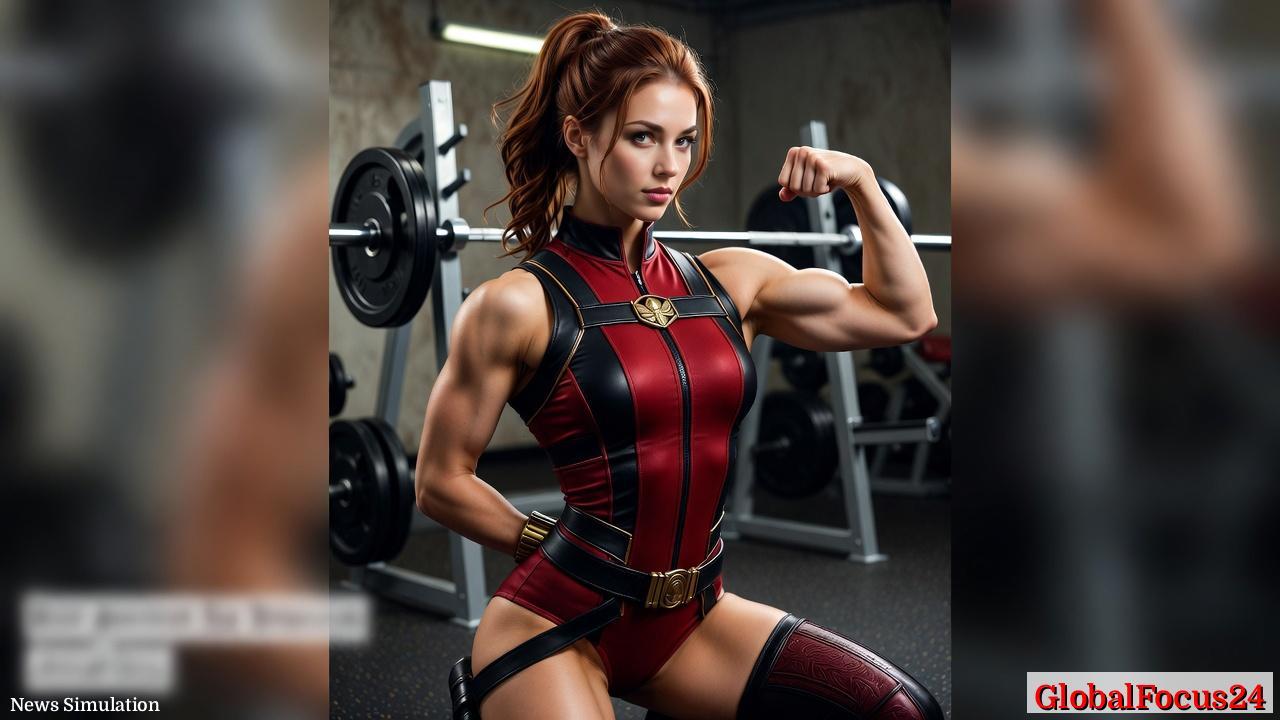
Cosplay Fitness and the Rise of Character Illusion: A Path from Gym to Stage
In a world where audiences crave immersive performances, a dedicated subset of performers blends athleticism and artistry to bring fictional heroes to life. This trend centers on meticulous physical training, disciplined nutrition, and dramatic costume work that together create a believable, multi-dimensional portrayal of iconic characters. At the intersection of fitness culture and cosplay, practitioners are reshaping how audiences experience fantasy, theater, and online performance.
Historical context: from hobby to professional craft Cosplay emerged from anime and science fiction fan communities and evolved rapidly over the past two decades. Early participants often shared costumes and photos online, celebrating creativity and community. As digital platforms expanded, some cosplayers began turning their craft into full-time careers, leveraging sponsorships, memberships, appearances, and commissioned work. The evolution mirrors broader shifts in popular culture toward experiential entertainment and personal branding. Fitness and physique have come to play a more prominent role as audiences demand higher production values and more convincing character embodiment.
The professionalization of cosplay performance Recent years have seen a tightening link between costume accuracy, performance skill, and audience engagement. For many performers, the work extends beyond sewing and prop-making to include choreography, combat staging, and physical conditioning. A growing subset of cosplayers train like athletes to sustain demanding routines, execute complex makeup transformations, and deliver long performances with energy and precision. The aim is not simply to look the part but to move and perform with the same confidence and capability as the characters they portray.
Economic impact and industry dynamics The rise of cosplay fitness has broader implications for the gig economy and creative labor markets. Key drivers include:
- Diversified revenue streams: earnings from social media monetization, paid appearances, workshops, and sponsored content. The most successful performers monetize multiple channels, creating resilience against platform policy changes.
- Training as value add: physical conditioning is increasingly marketed as an essential service, with trainers and coaches offering specialized programs tailored to cosplayers who want to improve strength, endurance, and presentation.
- Costume and makeup ecosystems: demand for high-quality, durable costumes, wigs, prosthetics, and makeup artistry creates ancillary markets that support independent designers and freelance makeup artists.
- Regional talent hubs: urban centers with strong fan bases and convention ecosystems often host higher activity levels, offering more opportunities for live performances, meet-and-greets, and panel participation. Regions with large convention calendars and robust streaming communities tend to generate more consistent work.
Regional comparisons: where performance meets demand
- California and the broader West Coast: home to major conventions and a high concentration of cosplay studios, makeup artists, and fitness-forward performers. The proximity to technology and media industries also facilitates sponsorship and collaboration with brands seeking authentic, character-driven marketing.
- The Midwest and Southeast: vibrant local convention scenes and dedicated cosplay communities. In these regions, performers often build regional audiences through meetups, charity events, and school or community college partnerships.
- International perspectives: cosplay has global reach, with notable communities in Japan, Europe, and Latin America. Each region brings distinct aesthetic sensibilities and training cultures, influencing how performances are staged and marketed.
Fitness as a core performance pillar In professional cosplay, athletic conditioning supports longevity and versatility. Performers frequently emphasize:
- Strength and power: heavy-lifting routines, including squats and deadlifts, help maintain a commanding stage presence and enable dynamic fight choreography.
- Endurance and mobility: cardio, HIIT, and mobility work keep performers ready for long events, rapid costume changes, and sustained stage time.
- Diet discipline: protein-focused nutrition supports muscle recovery and growth, while careful calorie management aligns with performance schedules and energy needs.
- Recovery strategies: sleep hygiene, hydration, and rest days are essential to prevent overuse injuries and sustain consistency over months of touring or multi-day conventions.
Case study: scheduling, preparation, and stagecraft A typical professional cosplayer with a combat-themed persona exemplifies how training and transformation intersect with performance demands. The daily routine may include:
- Training blocks: up to four hours of gym work, emphasizing compound movements like deadlifts and squats, along with glute activation and leg development to project strength on stage.
- Cardio and movement drills: light cardio and brisk walking maintain aerobic base without compromising muscle mass.
- Nutrition planning: calorie tracking with emphasis on adequate protein supports tissue repair and energy availability for intense workouts and lengthy events.
- Character preparation: makeup, wigs, costume fittings, and prop adjustments can take two hours or more, depending on the complexity of the character and the required aesthetic accuracy.
- Performance execution: on stage or in front of cameras, performers translate physical training into controlled, expressive movements that convey power, agility, and character nuance.
Public reception and cultural implications Audiences respond to performances that balance authenticity with storytelling. When athletes-turned-performers embody well-known heroines and combatant figures, fans gain a more immersive experience that blurs lines between cosplay and live-action theater. This engagement can foster strong community ties, inspire aspiring performers, and encourage appreciation for the craft’s technical aspects, from muscle conditioning to makeup artistry.
Ethical considerations and portrayal As cosplay culture expands, discussions about representation, consent, and body image become increasingly important. Performers, brands, and event organizers strive to create inclusive environments that respect diversity while recognizing the physical demands of training-intensive roles. Open dialogue about health, safety, and positive body image remains a guidepost for sustainable careers in the field.
Technological and media convergence Advances in streaming platforms, editing software, and digital effects enhance how cosplayers present their work. High-quality video productions, behind-the-scenes content, and live-streamed performances allow performers to reach global audiences without the geographic constraints of touring. In this landscape, a compelling, well-trained performer can cultivate a loyal following that transcends local convention circuits.
A look at the role of personal discipline The dedication required to sustain a demanding training regimen and a high-visibility stage persona is a defining feature of successful cosplayers who focus on combat-inspired characters. The discipline extends beyond workouts to daily routines, meal planning, rest, and meticulous attention to detail in costume construction and makeup. This holistic approach contributes to a polished, believable portrayal that resonates with fans and critics alike.
Regional and global perspectives on public perception Listeners and viewers often respond to the authenticity of movement, voice, and presence as equally important to visual accuracy. A performer’s ability to perform complex fight choreography with precision, while maintaining character-specific mannerisms, can elevate a routine from cosplay display to credible storytelling. Public reaction tends to reward consistency, reliability, and the capacity to connect with audiences emotionally through character choice and performance delivery.
Industry outlook: sustaining momentum The continuing interest in cosplay-driven performances hinges on several factors:
- Accessibility and inclusion: lowering barriers to entry for new performers through tutorials, community mentorship, and affordable costume-making resources helps diversify the field.
- Health and safety: ongoing emphasis on injury prevention, proper training progression, and safe makeup/prosthetic practices supports long careers.
- Economic resilience: diversified revenue strategies reduce reliance on a single income stream and stabilize earnings amid platform shifts and event calendars.
- Creative partnerships: collaborations with brands, studios, and charitable organizations expand opportunities while enriching the performance portfolio.
In sum, the professional cosplay ecosystem is evolving into a structured, multi-faceted industry that merges athletic preparation with creative execution. Performers who invest in rigorous training, thoughtful nutrition, and meticulous character work bring to life a vibrant form of contemporary storytelling. Their work underscores a broader cultural shift toward experiential entertainment where audiences seek authenticity, skill, and an immersive connection to the characters they admire.
Note: The above description reflects the growing emphasis on fitness-driven cosplay performance and its broader implications for audiences, practitioners, and the entertainment economy. It highlights the dedication of individuals who blend strength training with character embodiment to deliver compelling, authentic portrayals across live events, streaming platforms, and online communities.