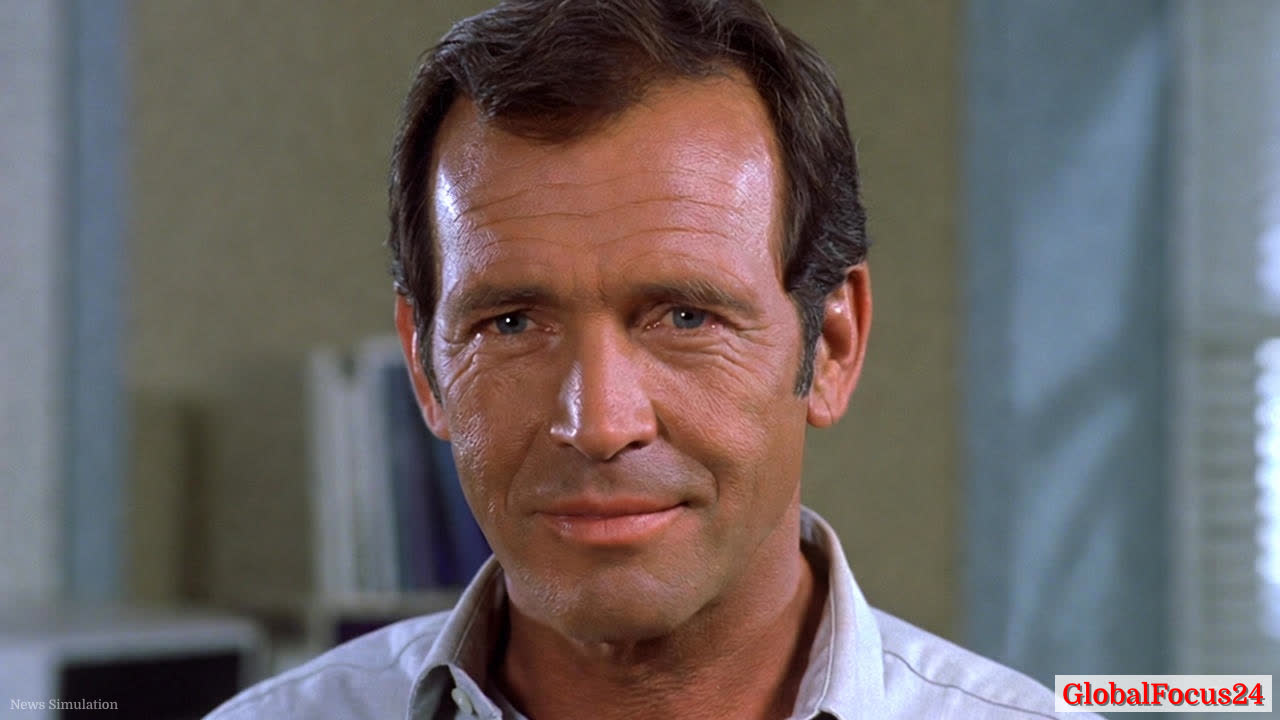
Captain Buck Rogers, Actor Gil Gerard, Dies at 82 After Brief Illness
In a career that spanned four decades and left an indelible mark on science fiction television, Gil Gerard, best known for his portrayal of Captain Buck Rogers, has died at age 82. The actor passed away on December 16, 2025, following a brief battle with a rare cancer, according to family statements released this week. The news reverberated through fan communities and the broader entertainment industry, prompting reflections on a career that bridged television, stage, and popular culture.
Historical context: Buck Rogers and the sci-fi revival era Gil Gerard’s breakout came with the American television series Buck Rogers in the 25th Century, which aired from 1979 to 1981. The show arrived at a time when science fiction on television was undergoing a notable revival, riding the momentum of blockbuster films and the late-70s space imagination sparked by canonical franchises. Buck Rogers, a 20th-century astronaut awakened in a far-future universe, captured audiences with its blend of adventure, humor, and a sense of wonder about humanity’s place among the stars. The series starred Gerard alongside Erin Gray, who played Colonel Wilma Deering, and a cast of robots and alien figures that became fixtures in late-20th-century pop culture.
The era’s broader media landscape featured a growing appetite for space-age storytelling, crossover merchandising, and technocratic optimism. Buck Rogers sat at the intersection of television spectacle and enduring science fiction motifs: sleek spacecraft, high-stakes threats, and the moral clarity often associated with hero-led narratives. Gerard’s portrayal contributed to shaping the iconic image of a beleaguered but resourceful hero who navigates a complex future with steadfast resolve. The show’s opening credits, action sequences, and memorable one-liners helped cement a template for mid-century heroism that would echo in later genre works.
Career breadth beyond Buck Rogers Beyond his tenure as Captain Buck Rogers, Gerard built a diverse body of work across television, theater, and commercial work. His on-screen career included appearances in soap operas and more than 400 commercials, a testament to his versatility and enduring presence in front of the camera. The actor also pursued stage opportunities, including Broadway productions, where he demonstrated a capacity to perform live before audiences with the immediacy and discipline that stage work demands.
In later years, Gerard remained connected to fans and contemporary media landscapes through public appearances, interviews, and participation in fan conventions. His openness about personal challenges—balancing public life with private struggles—resonated with audiences who valued authenticity as part of a long-running career in the entertainment industry. His professional trajectory illustrates how a defining early role can anchor a lifelong career while allowing room for growth across different media formats and genres.
Personal legacy and family reflections The family statement released after Gerard’s passing highlighted his final words, which emphasized joy and love. The message aligns with a widely shared public narrative about artists who, after years in the limelight, prioritize meaningful personal connections and leaving a positive imprint on loved ones and fans. Colleagues and fans have shared tributes that celebrate his humor, dedication to his craft, and the warmth he extended to those around him. The outpouring of support reflects an enduring respect for Gerard’s contributions to television, stage, and the broader science fiction community.
Economic impact and industry notes Gerard’s career spanned a period of notable shifts in the entertainment economy, from traditional broadcast television to evolving digital platforms and streaming models. The Buck Rogers era coincided with a time when syndicated and network programming shaped the economics of television, license deals, and merchandising opportunities. Artists who defined iconic roles during that era contributed to long-tail interest that could still influence memorabilia, convention appearances, and licensing negotiations years later. As streaming platforms continue to curate catalogues of classic science fiction, Gerard’s body of work remains part of the historical inventory that feeds nostalgia-driven demand.
Regional and global comparisons Buck Rogers found traction not only in the United States but also internationally, with audiences in Europe, Asia, and other regions that expanded science fiction fandom during the late 20th century. The enduring appeal of space opera and adventure narratives translated into global fan conventions, fan-created content, and cross-cultural adaptations that kept the Buck Rogers universe in circulation beyond its original broadcast window. Gerard’s later public appearances and interviews with international outlets underscored the actor’s global reach as a figure associated with classic science fiction storytelling.
Cultural significance of legacy Gerard’s legacy extends beyond a single role. In many interviews and retrospective pieces, he is remembered for bringing a certain athleticism, authenticity, and willingness to engage with fans. As science fiction continues to permeate mainstream media—with new franchises, reboots, and cross-media storytelling—the early Buck Rogers era is frequently cited as part of the genre’s foundational period. Gerard’s work helped shape how audiences perceive heroes who navigate dangerous futures with grit, optimism, and a sense of humor.
Public sentiment and fan response Public reaction to Gerard’s passing has reflected a broad spectrum of remembrance. Longtime fans recalled his charisma and the energy he brought to Buck Rogers, while newer audiences recognized the historical significance of the show in shaping early television’s science fiction identity. Social media posts, tribute panels at fan conventions, and archival retrospectives have highlighted the enduring resonance of his performance, particularly his ability to balance action, leadership, and approachable humanity in a science fiction setting.
Impact on aspiring actors and media history Gerard’s career trajectory offers a case study for aspiring actors about longevity in show business. Balancing a defining early role with diverse later work—stage, screen, and public appearances—demonstrates how a performer can maintain relevance and creative agency across shifting industry landscapes. For media historians, his body of work provides insight into the era’s production values, storytelling conventions, and audience expectations for science fiction on television.
Notable collaborations and influences Throughout his career, Gerard collaborated with fellow actors, writers, and directors who helped shape the tone and longevity of his projects. His work alongside Erin Gray, for example, is often cited for creating a dynamic on-screen partnership that contributed to the show’s appeal. In broader terms, his presence within the science fiction community connected with a generation of fans and creators who would later influence how future space-adventure narratives are developed on screen.
Health context and cause of death The news of Gerard’s passing came after a brief battle with a rare cancer, a detail that underscores the unpredictable nature of illnesses that can affect individuals at any stage of life. While the specifics of the diagnosis are private, the family’s statements emphasize a focus on joy and love in his final days, aligning with a message of resilience and affection that has characterized public remembrances of artists facing health challenges.
Industry reactions and memorials Industry colleagues and fan organizations have begun to organize tributes that celebrate Gerard’s contributions to television, theater, and the science fiction community. Memorials at fan conventions, press retrospectives, and charity initiatives in his name may become part of his ongoing legacy, reflecting a community’s desire to honor the memories of artists who helped shape a generation of genre storytelling. As with many performers who left a lasting imprint on pop culture, the process of remembrance will likely involve archival releases, panel discussions, and renewed interest in his broader body of work.
Continuing the conversation in science fiction media As streaming platforms and digital archives continue to curate classic science fiction content, Gerard’s Buck Rogers performances remain a touchstone for discussions about era-specific production design, costume aesthetics, and narrative pacing. Critics and enthusiasts alike note how early science fiction on television set a template for modern space-adventure storytelling, influencing subsequent series, films, and interactive media. The enduring appeal of such works ensures that new generations will encounter and re-evaluate Gerard’s contributions as part of the genre’s historical continuum.
Conclusion: A lasting imprint on genre and performance Gil Gerard’s passing marks the end of a vibrant chapter in television history. From the dynamic heroism of Captain Buck Rogers to his broader engagements in stage and screen, Gerard’s career reflected the evolution of entertainment from the late 20th century into the digital age. His legacy—built on memorable performances, a willingness to share authentic experiences, and a deep connection with fans—continues to resonate in retrospectives and in the ongoing appreciation of science fiction’s cultural influence. As the public and industry remember him, the conversation naturally includes consideration of how iconic roles can shape a performer’s career, the trajectory of a beloved franchise, and the enduring power of storytelling to inspire joy, curiosity, and a sense of wonder about what lies beyond today’s horizon.