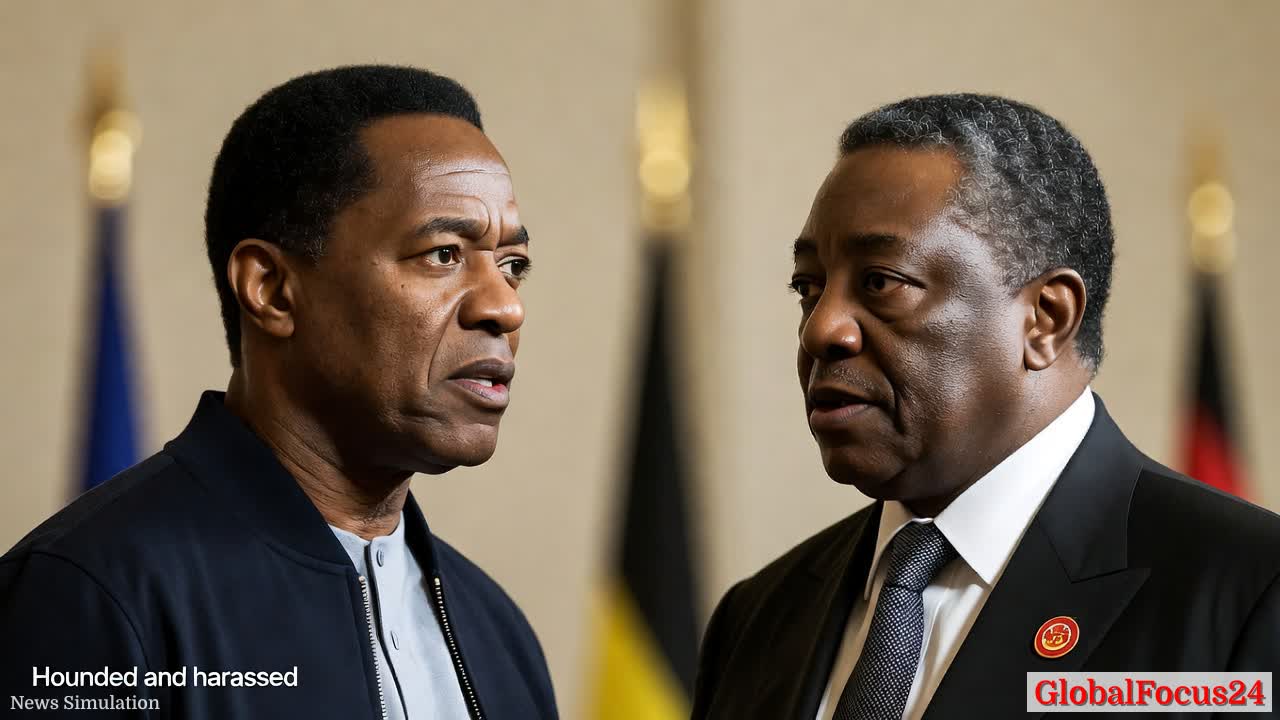
)Uganda’s Long-Serving Leader Faces Intensified Pressure as Opposition Gains Momentum
Uganda’s political landscape is undergoing a notable shift as long-time president faces growing challenges from opposition voices, civil society groups, and international observers. The evolving dynamic arrives amid a broader regional pattern of leadership transitions in East Africa, where questions about governance, accountability, and economic resilience are increasingly at the forefront of public discourse.
Historical context and the arc of Uganda’s political scene
- Since joining the country’s national conversation decades ago, the incumbent administration has combined a reputation for stability with periods of intense controversy over civil liberties, media freedom, and assembly rights. The current moment reflects a long arc in which Uganda’s post-independence experiments with governance have repeatedly tested the balance between centralized leadership and political pluralism.
- The country’s historical development has been shaped by centrifugal forces: population growth, youth demographics, and rising expectations for economic opportunity. These factors have consistently intersected with political mobilization, especially among urban constituencies and regions with strong social services needs.
- Across the region, neighboring governments have faced similar pressures to demonstrate legitimacy through inclusive politics, rule of law, and credible governance that translates into tangible improvements for daily life. The Ugandan episode now sits within that broader continental context, making international attention and regional comparisons particularly salient.
Economic impact and the sentiment on the ground
- Economic resilience remains a central concern for voters and analysts alike. Growth has periodically outpaced inflation, but the distribution of benefits often lags, leading to questions about inclusive development, agricultural modernization, and job creation for a young workforce. The evolving discourse emphasizes the need for diversified export streams and investment in sectors with high employment multipliers.
- Public confidence in economic policy tends to follow tangible improvements in prices, wages, and basic services. When households perceive concrete gains—whether through agricultural inputs, healthcare access, or education opportunities—support for reformist agendas tends to strengthen.
- The private sector watches closely as policy signals around regulatory clarity, anti-corruption measures, and public investment priorities influence investment decisions. A clearer roadmap for infrastructure, energy access, and digital connectivity could unlock capital flows and boost productivity across sectors ranging from agribusiness to manufacturing.
Regional comparisons and strategic implications
- In East Africa, several countries have faced leadership transitions that test continuity and reform. Observers note that sustained political stability paired with credible, transparent governance tends to correlate with stronger investor confidence and social cohesion. Uganda’s experience is often weighed against neighboring contexts to assess the balance between security imperatives and political freedoms.
- Comparisons highlight differing approaches to electoral reform, civil liberties, and media pluralism. Regions with gradual, consensus-driven reforms tend to fare better on long-run economic indicators and human development metrics, while abrupt shifts can introduce volatility that may deter investment and disrupt social programs.
- The regional focus on infrastructure corridors, trade integration, and human capital development magnifies the importance of policy predictability. Governments that articulate clear development plans and measurable targets for health, education, and rural livelihoods typically gain credibility with both domestic audiences and international partners.
Public reaction and civil society engagement
- Citizens are increasingly vocal through peaceful demonstrations, social media campaigns, and engagement with local organizations. The public mood emphasizes accountability, governance transparency, and improved access to basic services. Demonstrations in various towns signal a demand for responsiveness from leadership.
- Civil society groups play a pivotal role in monitoring governance, promoting rule of law, and advocating for reforms that can curb excesses while safeguarding national security. Their work often centers on ensuring that security each step of the way is balanced with respect for civil liberties.
- International bodies and development partners have shown heightened interest in governance benchmarks, anti-corruption efforts, and the protection of political freedoms. This attention can translate into targeted aid programs, technical support, and policy dialogue that influence domestic reform trajectories.
Policy directions and potential reform areas
- Governance and institutions: Strengthening the independence of the judiciary, safeguarding press freedom, and ensuring transparent electoral processes are commonly raised priorities among observers and citizens alike. Effective reforms in these areas may enhance trust in state institutions and reduce perceived uncertainties.
- Economic opportunity: Expanding access to capital for small and medium-sized enterprises, investing in rural infrastructure, and supporting agricultural modernization can broaden the base of shared prosperity. Emphasis on job creation in manufacturing and services could diversify income sources and reduce vulnerability to commodity price swings.
- Social services: Improvements in healthcare delivery, education quality, and affordable housing often yield broad-based public support. Targeted programs that reduce regional disparities help to mitigate grievances and promote social stability.
- Regional cooperation: Active participation in regional trade initiatives and energy collaborations can enhance resilience and spur innovation. Joint efforts to address cross-border issues—such as security, migration, and climate risk—strengthen national and regional ties.
What this means for the broader public
- For everyday life, the trajectory of leadership and policy choices translates into tangible differences in the cost of living, access to essential services, and opportunities for young people. A focus on practical reforms that deliver measurable gains can shape public sentiment and political engagement in meaningful ways.
- The sense of urgency surrounding reform debates often emerges from the lived experiences of communities that grapple with the impact of inflation, job markets, and service provision. Clear policy communication that sets realistic timelines and milestones can help align expectations and reduce uncertainty.
- Public reaction to governance developments can influence cultural norms around participation, accountability, and civic responsibility. Inclusive dialogue that respects diverse viewpoints tends to strengthen social cohesion even amid disagreement.
Conclusion Uganda stands at a crossroads where historical patterns of leadership intersect with current economic realities, regional dynamics, and rising citizen expectations. The coming months are likely to reveal how policymakers translate intent into sustained improvements across governance, infrastructure, and human development. As regional perspectives converge on the need for credible reform and inclusive growth, Uganda’s experience may offer lessons for neighboring states navigating similar challenges in a rapidly changing continental and global landscape.