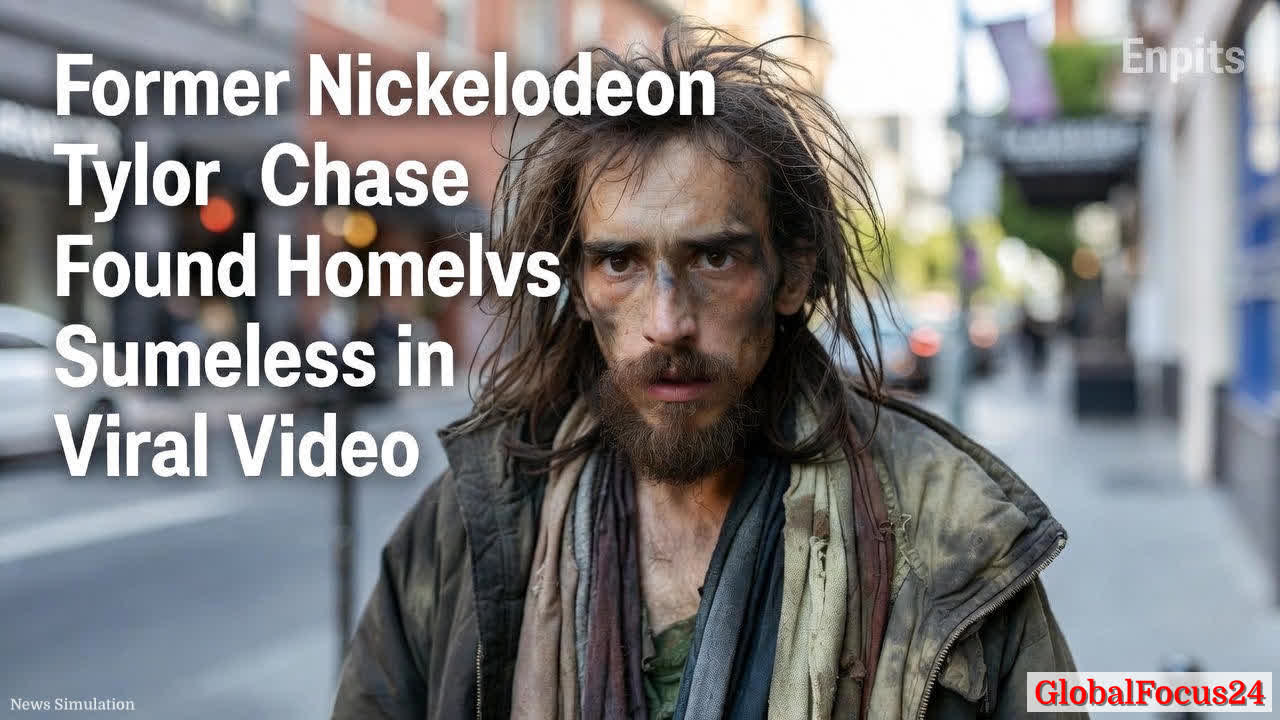
Former Child Star Tylor Chase Spotted Homeless in Viral Riverside Video
A disturbing scene captured on video in Riverside, California, has brought renewed attention to the challenges faced by former child actors as they transition to adult life. The clip, which shows Tylor Chase, renowned for his role as Martin Qwerly on a popular Nickelodeon series from 2004 to 2007, has prompted discussions about mental health, societal expectations, and the long-term welfare of performers who grow up in the public eye. As the footage circulated widely, observers weighed the ethics of sharing personal hardship online while family and former colleagues weighed how best to respond.
Historical context: the arc from child stardom to adulthood
Child actors have long stood at a precarious crossroads. Early fame can bring opportunities—steady work, celebrity, and financial windfalls—but it can also sow vulnerabilities, including pressure, identity struggles, and the sudden shift when a show ends or an actor ages out of a role. The entertainment industry has repeatedly confronted these dynamics, from talent agencies and management structures to the support systems (or lack thereof) available to young performers and their families.
The case of Tylor Chase recalls a broader pattern within youth-focused television ecosystems. Shows that rely on enduring appeal among younger audiences often produce a cohort of alumni who, after their child-star years, face the practical realities of adult life with inconsistent income streams and less notoriety. The Riverside video has become a stark reminder that, for some, the transition can be abrupt and challenging, with gaps in health care, housing, and financial stability magnifying vulnerability.
Economic impact: implications for individuals and the broader industry
The immediate economic implications for a former child actor can be complex. Without sustained acting work, medical costs, routine living expenses, and the ongoing needs of daily life can outpace available resources, particularly for individuals who aged out of contract protections or who faced uneven earnings during their peak years. When public attention centers on these cases, there is a broader conversation about support mechanisms within the industry—how studios, unions, and management teams can better prepare young actors for post-childhood careers.
From a regional perspective, California’s entertainment economy remains a powerhouse, yet it also presents a high cost of living and a complex welfare landscape. Riverside, part of the Inland Empire, contrasts with coastal hubs like Los Angeles and San Diego. The geographic spread of the industry means that support networks—whether formal or community-based—vary by location and access to resources. In many cases, actors who begin their careers outside traditional tax-friendly, industry-backed structures may face additional hurdles in obtaining affordable healthcare, stable housing, and ongoing career development opportunities.
Public reaction and social dynamics
Public response to the video has encompassed a broad spectrum—from empathy and concern to ethical debate about privacy and the timing of fundraising efforts. Some viewers criticized the act of recording and sharing someone’s personal hardship, arguing that privacy protections should apply even to public figures, especially when mental health and medical needs require careful, discreet handling. Others expressed heartbreak for a person who contributed to the fabric of childhood entertainment and deserve dignified support during hard times.
In this narrative, a fundraising effort emerged online, quickly raising over $1,200 before being halted at the request of Chase’s mother, who highlighted medical needs over financial aid and explained that he struggles with money management and retaining essential items such as phones. The episode underscored a critical distinction: while crowdfunding can mobilize immediate relief, it is not a substitute for structured medical and social support tailored to the individual’s circumstances.
Industry responses and ongoing support
Tylor Chase’s former colleagues—Devon Werkheiser, Lindsey Shaw, and Daniel Curtis Lee—addressed the situation on a media platform dedicated to their shared history on the show. Their reflections touched on emotions ranging from anger at the recording to a sense of powerlessness and, ultimately, a commitment to assist in meaningful, sustainable ways. The conversation among cast members highlights the tension between public accountability and the need to protect personal boundaries for those who once fed the public imagination with their on-screen performances.
Long-term, the industry has opportunities to implement more robust safeguards. These could include lifelong health coverage for performers who begin their careers as children, continued access to career development resources, and partnerships between studios, unions, and charitable organizations to provide housing, medical care, and mental health services. While no single policy can resolve every case, a proactive framework can help reduce the risk of hardship after youth-focused careers end and foster an industry culture that treats actors as lifelong contributors with ongoing needs.
Regional comparisons: housing, healthcare access, and social safety nets
Comparing the Inland Empire region with major entertainment hubs reveals notable differences in access to services and economic resilience. Coastal cities with established entertainment districts may offer more robust support networks, including veterans halls of fame, alumni associations, and private philanthropic programs designed to assist former actors. Inland communities, while benefiting from diverse economies and growing infrastructure, can present higher housing costs and more limited centralized resources for specialized medical and mental health support. These regional disparities emphasize the importance of distributed safety nets and community partnerships that can bridge gaps for individuals who temporarily step out of the spotlight.
The broader national landscape includes a patchwork of public programs, nonprofit organizations, and industry-specific initiatives aimed at supporting performers’ wellbeing. Evaluating these programs against real-world cases like this one helps stakeholders identify gaps—such as the availability of long-term medical care, housing stability, and career transition support—that require targeted funding and coordinated delivery.
Human stories behind thes: dignity, privacy, and the public mind
Beyond the economic and policy dimensions lie the human stories central to this narrative. Former child stars carry memories of their early fame alongside the present-day realities of navigating adulthood with the public eye often as a constant companion. The public’s emotional response—ranging from sympathy to criticism—reflects a broader tension: the balance between public interest and personal dignity. As audiences, it is essential to acknowledge that individuals deserve privacy and compassionate, privacy-respecting support during times of vulnerability, particularly when medical issues or sensory overload from constant attention may be factors in their distress.
Looking ahead: what comes next for Tylor Chase and similar cases
In the weeks ahead, observers will watch for developments in Chase’s situation, including any medical prognoses or treatment plans that may emerge through family or official channels. For the industry, this moment serves as a catalyst to reexamine what protections and resources are available to performers who begin their careers as children. Thoughtful responses might include expanded health coverage, targeted social services, and structured opportunities for alumni to reconnect with the industry in a way that prioritizes well-being and stability.
Key takeaways for readers and stakeholders
- Child actors face unique long-term challenges that can persist into adulthood, including health needs and financial management difficulties.
- Public reactions to personal hardship can raise important questions about privacy, ethics, and the role of the media in covering vulnerable stories.
- Fundraising and charity efforts can provide immediate relief but should be paired with long-term support structures, including medical care, housing assistance, and career transition programs.
- Regional and economic contexts influence access to services, underscoring the need for scalable, community-based solutions that span urban and rural-adjacent entertainment locales.
- Industry stakeholders—studios, unions, educational partners, and nonprofits—have a shared interest in building more resilient safety nets for performers who begin their careers in childhood.
Conclusion: toward a compassionate, practical framework
The Riverside video documenting Tylor Chase’s current hardship serves as a sobering reminder that fame, especially in youth, does not automatically translate into security in later years. It highlights the necessity for a practical, compassionate framework that prioritizes health care, housing stability, and career continuity for former child actors. As the public continues to engage with the story, the hope is that momentum translates into sustained support—not only in moments of crisis but through ongoing programs that help individuals navigate adulthood with dignity and opportunity. The entertainment industry, policymakers, and community organizations are positioned to collaborate on solutions that acknowledge the complexities of growing up in the spotlight while ensuring that those who contributed to popular culture receive appropriate care and respect long after their scenes fade.