Brigitte Bardot’s Lifelong Arc: From Cinema Icon to Global Animal Welfare Advocate
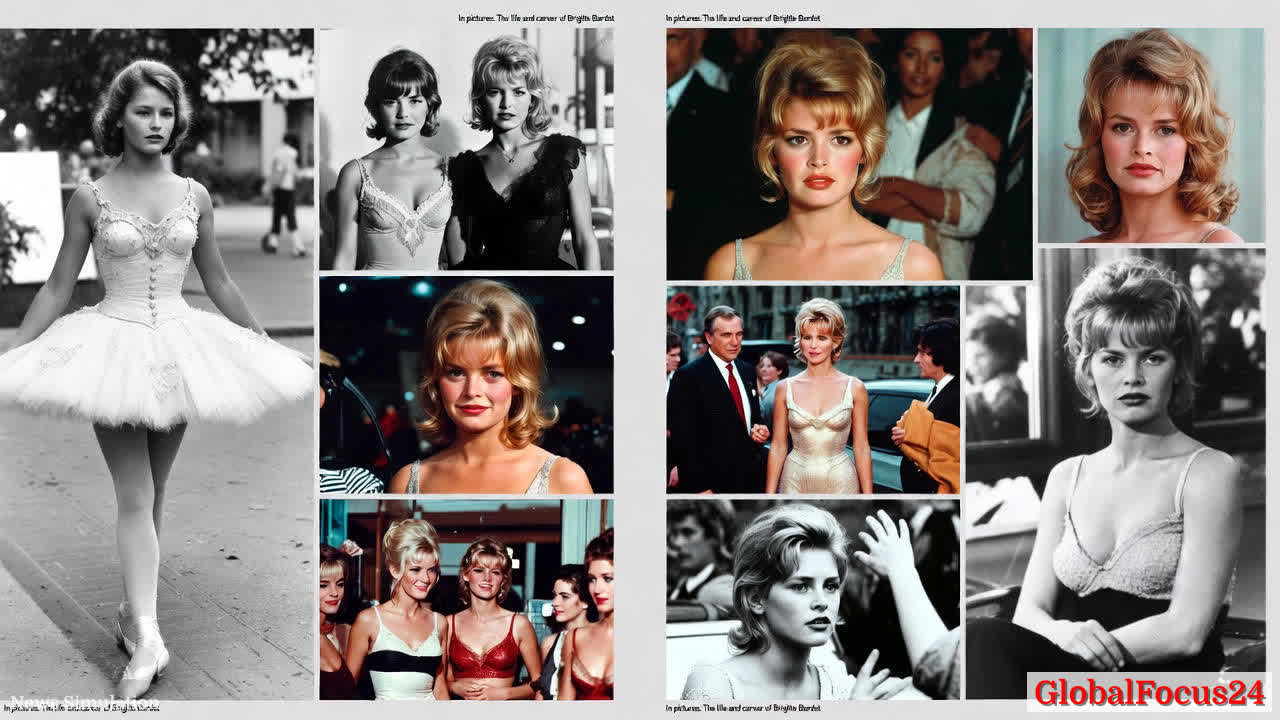
In a retrospective that traces a remarkable arc from stage to screen and then to global advocacy, a newly released photo collection offers a panoramic portrait of Brigitte Bardot, the French icon whose influence extended far beyond her breakout in the mid-1950s. The collection charts a trajectory rooted in early discipline as a Parisian ballet student, ascendance to international stardom, and a later, resolute commitment to animal welfare that reshaped public conversation around ethics, beauty standards, and celebrity responsibility. The release arrives at a moment when cultural memory and social impact are being weighed with renewed scrutiny, underscoring Bardot’s enduring relevance in both cinema history and contemporary activism.
Historical Context: From Parisian Studios to Global Spotlight
Brigitte Bardot’s emergence as a global symbol of modern femininity coincided with a pivotal era in postwar Europe. Born in Paris and trained as a dancer, Bardot’s early career reflects a disciplined artistic path that prioritized movement, presence, and expression. Her transition from potential dancer to screen sensation began in earnest in the mid-1950s, a period when European cinema was redefining glamour and allure for a new international audience. Bardot’s breakthrough role in the late 1950s catalyzed a shift in fashion, beauty, and cinematic performance, propelling a fusion of sensuality, sophistication, and spontaneity that resonated across continents. The photo collection situates Bardot within this broader cultural moment, illustrating how a single artist could become a reference point for not only film but also design, music, and youth culture.
Economic and Cultural Impact: Brand, Fashion, and Industry Ripples
Bardot’s influence extended beyond the screen and into the commercial and cultural sectors. Her image became a powerful branding vehicle in fashion and consumer culture. Designers embraced her style as a template for modern elegance, while photographers and fashion houses sought to capture the effortless chic that Bardot epitomized. The economic ripple effects touched film production, beauty industries, and media markets—creating demand for new kinds of star-studded publicity, perfume lines, and fashion collaborations that defined an era. The photo collection’s careful curation illuminates how Bardot’s public persona contributed to a durable market for cinema-marketing aesthetics, influencing stylists, makeup artists, and wardrobe departments that would shape industry standards for decades.
Thematic Shifts: Public Image, Personal Evolution, and Activism
The series of images reveals Bardot’s evolving public identity—from a radiant screen presence to a private compass that guided her later actions. In the late 1960s and beyond, Bardot redirected her influence toward animal welfare, leveraging celebrity platform to raise awareness about animal rights and ethical treatment. This shift reflects a broader pattern in which high-profile artists leverage their visibility to advocate for causes, thereby expanding the social relevance of celebrity beyond entertainment alone. The collection captures the transition with nuance, showing not only the glamour of stardom but also the seriousness of a public figure confronting ethical questions about the treatment of animals and the responsibilities that accompany fame.
Regional Comparisons: Bardot’s Global Footprint
The breadth of Bardot’s appeal is evident when comparing regional reactions to her work and her advocacy. In Europe, Bardot’s cinema legacy remains deeply embedded in national film histories, with film festivals, retrospectives, and scholarly discussions highlighting her contributions to cinematic language and performance. Across North America, Bardot’s impact is often framed through the lens of Hollywood and international co-productions, where her archetype offered a bridge between European and American film industries. In parts of Asia and the Middle East, Bardot’s image entered public consciousness through fashion cycles and magazine culture, illustrating how a single cultural icon can traverse diverse markets with a shared set of associations—cinematic charisma, modern femininity, and a commitment to issues that resonate with global audiences. The photo collection, by weaving together moments from different regions, underscores Bardot’s role as a transnational cultural figure whose influence persisted through shifting media landscapes.
Visual Narrative: The Archive as a Mirror of Time
The photo collection offers more than a catalog of fashion and film moments; it serves as a visual archive that chronicles the evolution of media, celebrity, and public discourse. Early frames capture Bardot in the disciplined poise of ballet training, a foundation that informs the poised, athletic grace visible in her screen appearances. Subsequent photographs reveal the audacious confidence that defined her breakthrough era, with wardrobe choices, hairstyles, and expressive performances that became touchstones for a generation. Later images document the transition to a public figure who engaged with social concerns, presenting a narrative arc that invites viewers to consider how personal identity can expand into civic responsibility. The gallery thereby becomes a historical document that reflects how image, fame, and purpose intersect across time.
Public Reception: Legacy and Contemporary Relevance
Public reaction to Bardot’s enduring legacy remains as varied as her career itself. For many, she embodies a formative chapter in modern cinema and fashion—a symbol of risk-taking artistry, a break from rigid postwar norms, and a cultural touchstone for debates about beauty standards, autonomy, and celebrity influence. The animal welfare advocacy she championed later in life adds a layer of ethical seriousness to a once-glamorous public persona, reinforcing the idea that public figures can shape discourse beyond entertainment. In today’s context, the collection invites reflection on how celebrity platforms are mobilized for social good, and how public memory chooses which facets of a life to honor, adjust, or reinterpret in light of evolving values.
Methodology and Preservation: How the Archive Was Curated
Curators and archivists approached Bardot’s life as a continuum rather than a series of isolated milestones. By organizing the collection around phases—artistic formation, screen breakthrough, and advocacy—the curators present Bardot as a layered subject whose experiences illuminate broader cultural and economic trends. The archival work involves careful provenance documentation, restoration of period prints, and contextual annotations that connect images to contemporaneous events, performances, and public conversations. The process emphasizes authenticity, ensuring that the collection preserves not only the visual glamour but also the historical significance of Bardot’s body of work and her advocacy.
Comparative Lens: Bardot and Contemporary Icons
In the landscape of contemporary celebrities who have shaped both entertainment and social responsibility, Bardot’s trajectory offers a template for analyzing how public influence evolves with time. Unlike some modern figures whose advocacy may be tightly coupled with current campaigns, Bardot’s animal welfare work represents a sustained commitment that transcends fads, marking her as an early archetype of celebrity-driven philanthropy. This enduring model is instructive for cultural historians, marketers, and policy researchers who study how public figures can extend their impact beyond their original crafts, influencing legislation, philanthropic giving, and public opinion on long-standing issues.
Economic Trends Connected to Cultural Icons
From a macroeconomic perspective, Bardot’s career illustrates how cultural icons can drive ancillary industries, influence consumer behavior, and contribute to the resilience of creative sectors during economic cycles. The demand for vintage fashion, film memorabilia, and cinematic memorabilia often follows the revival of interest in classic stars, supporting sectors such as restoration, auctions, and high-end retail. Moreover, Bardot’s later advocacy work intersects with the broader growth of ethical consumerism, where audiences increasingly support brands and campaigns aligned with animal welfare and sustainable practices. The archival release thus sits at the intersection of entertainment history and evolving market dynamics, highlighting how cultural memory can stimulate economic activity in multiple domains.
Conclusion: Bardot’s Enduring Relevance
The released photographical tribute to Brigitte Bardot offers more than a nostalgic glance at a beloved star; it provides a nuanced understanding of how one life can intersect art, commerce, and ethical advocacy. The collection captures the essence of Bardot’s transformation from Parisian dancer to international icon and finally to a public voice on animal welfare. In a world where celebrity influence is continually redefined by new media formats and rapid cultural shifts, Bardot’s multifaceted legacy serves as a reminder of how art and ethical concerns can converge to shape public conversation and inspire future generations to imagine a more compassionate, more expressive cultural landscape.