SpaceX-xAI Merger Sparks High Stakes in Tech Valuation and Billionaire Trajectory
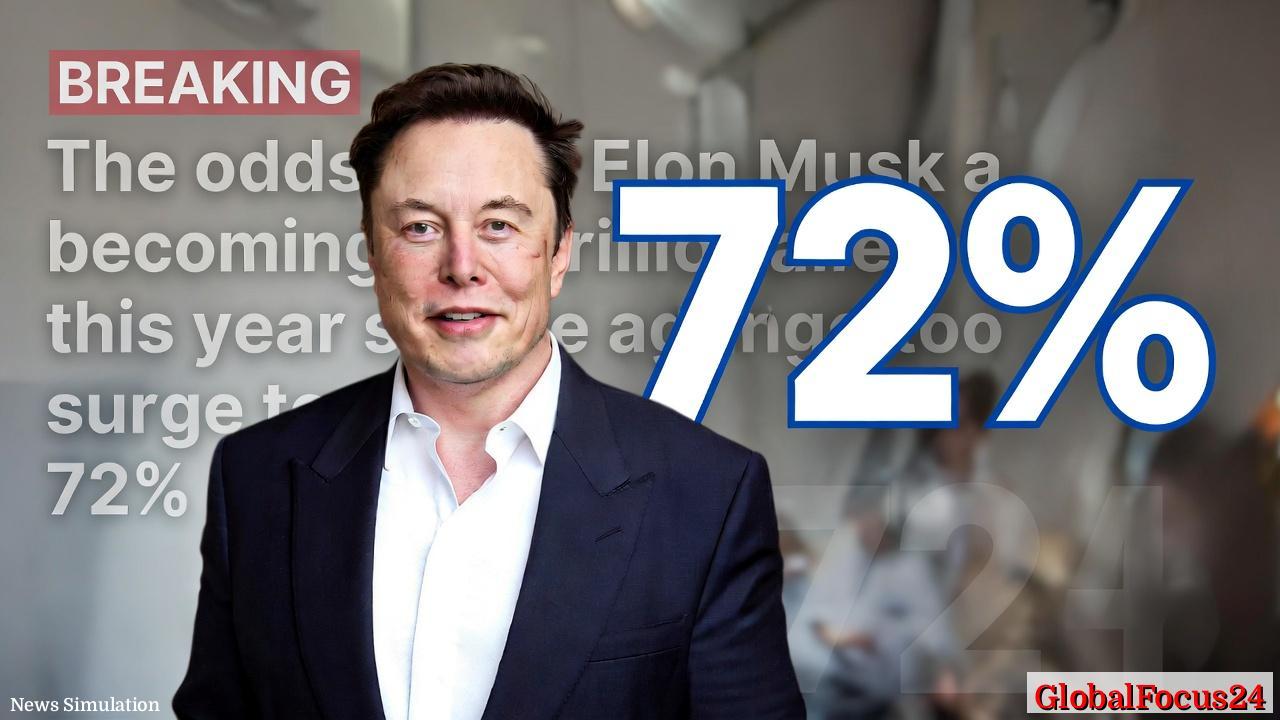
The convergence of SpaceX and xAI has reinvigorated market optimism about the billionaire wealth landscape, with prediction markets signaling a notable shift in expectations for Elon Musk’s net worth to reach the trillion-dollar threshold by the end of 2026. This developing storyline intersects with broader trends in aerospace, artificial intelligence, and high-growth tech valuation, inviting a closer look at historical context, regional dynamics, and potential economic implications.
Historical Context: The Trajectory of Tech Magnates and the AI-Aerospace Frontier
- The technology economy has repeatedly rewarded convergence between space exploration and artificial intelligence, with notable milestones marked by ambitious ventures, IPOs, and strategic mergers that reframe growth trajectories for individual wealth and corporate value. Over decades, adjacent sectors—rocketry, computing, and data-driven intelligence—have amplified each other, creating a platform where breakthroughs in one domain can catalyze value in another. This pattern provides context for why a SpaceX–xAI combination might alter perceived upside in billionaire wealth tallies and market confidence.
- Historically, the emergence of unicorns and high-visibility tech leaders has often coincided with multi-disciplinary bets that leverage scarce hardware advantages (launch capabilities, satellite networks) with software and AI. The potential for cross-pollination among autonomous systems, space infrastructure, and advanced analytics has repeatedly attracted investor attention, shaping valuation narratives around strategic synergies rather than standalone products.
Economic Impact: Valuation Dynamics, Investment Flows, and Regional Comparisons
- The proposed merger can recalibrate expectations for long-term cash generation, signaling strategic alignment between expensive capital-intensive ventures (space launches, satellite constellations) and scalable AI platforms that can derive recurring revenue through licensing, services, and data products. Market participants weigh these synergies against the capital needs and regulatory considerations inherent to aerospace and AI governance, influencing asset pricing and funding decisions across ecosystems that support high-growth tech firms.
- From a regional perspective, California remains a focal point for aerospace, semiconductor, and AI research, with a dense network of engineers, universities, venture capital, and corporate R&D. The SpaceX–xAI narrative underscores how local ecosystems can amplify national and global investment flows, as regional talent and infrastructure convert theoretical competitive advantages into tangible project pipelines that attract capital, suppliers, and national policy attention. This dynamic often translates into higher activity and employment in tech-adjacent sectors within California and neighboring tech hubs.
- The ripple effects of a major merger can extend beyond direct corporate value. Ancillary industries—manufacturing, software tooling, cloud services, and logistics—tend to experience upticks in demand as product development accelerates, partnerships deepen, and international collaboration expands, potentially lifting regional productivity and contributing to broader economic growth. Analysts monitor these channels to gauge the broader macroeconomic implications of transformative technology mergers.
Regional Comparisons: Global Contexts and Benchmark Metrics
- In comparison to peer regions with robust aerospace and AI ecosystems, the U.S. West Coast has historically benefited from proximity to top-tier research institutions, access to venture capital, and a favorable regulatory environment for innovation-led growth. The SpaceX–xAI combination can reinforce these advantages, positioning California as a continuing hub for next-generation propulsion, autonomous systems, and AI-enabled decision-making platforms. The magnitude of investment and talent concentration here often outpaces other regions, creating a benchmark for how similar ventures might perform in different regulatory and market conditions.
- Offshore innovation clusters, including those in Europe and Asia, have sought to emulate the hybrid AI-space model through collaborations and government-backed programs. While these regions may offer distinct incentives—privacy regimes, subsidies, or strategic autonomy—the scale and speed of capital deployment in the U.S. context often set the pace for global perception of risk and reward in high-tech mergers. The interplay between regulatory timing and market sentiment can meaningfully influence comparative valuations and strategic planning across borders.
Investor Sentiment and Public Perception: Measuring Optimism and Realistic Projections
- Prediction markets tracking the probability of Musk reaching a trillion-dollar net worth reflect a blend of asset price expectations, individual wealth trajectories, and anticipated gains from the merged entity’s strategic opportunities. While such markets can offer insight into investor mood, they are sensitive to broader market shifts, interest rate environments, and technology sector volatility, making them a useful, but not definitive, barometer for future wealth realization.
- Public reaction to high-profile tech mergers often encompasses both enthusiasm for potential breakthroughs and caution about execution risk. Stakeholders—ranging from employees and suppliers to policy advocates and local communities—watch how merged entities balance innovation with governance, risk management, and social considerations, which in turn influences downstream investment activity and the public aura around mega-cap tech leaders.
Implications for Stakeholders: Employees, Partners, and Local Economies
- For employees and partners, the merger could translate into new opportunities in product development, system integration, and international collaboration, as teams align around joint roadmaps that deploy AI-enabled capabilities in aerospace contexts. The resulting demand for specialized skills may influence wage dynamics, hiring strategies, and training investments across the tech labor market.
- Local economies connected to SpaceX’s and xAI’s supply chains—ranging from manufacturing suppliers to software developers—could experience amplified activity, with potential boosts to regional productivity and tax revenues. This can influence municipal planning and infrastructure investments as communities adapt to higher demand for skilled labor and advanced manufacturing facilities.
Cautionary Notes: Risks and Governance Considerations
- Investors and stakeholders should carefully weigh execution risk, including integration challenges, regulatory scrutiny, and the long lead times inherent to space technology programs and advanced AI deployments. The interplay of safety, ethics, and compliance in both aerospace and AI domains can shape project timelines and cost structures, influencing the realized value of any trillion-dollar wealth trajectory.
- Market conditions—such as interest rate trajectories, inflation expectations, and global supply chain stability—can temper even the most optimistic merger-driven narratives. A disciplined approach to scenario planning helps distinguish betweenoptimism and sustainable, real-world financial performance, particularly for capital-intensive ventures with extended development horizons.
What to Watch Next: Signals of Progress and Market Validation
- Key indicators to monitor include progression along joint product roadmaps, contracts with government and commercial customers, and the strategic expansion of AI-enabled capabilities within space operations. The pace and quality of these milestones provide a tangible read on whether merger-driven synergies materialize as projected, affecting both company valuation and broader investor confidence.
- Broader market sentiment toward AI governance, space sustainability, and responsible innovation will also play a role in shaping long-term outcomes. Transparent disclosures, independent audits, and clear governance frameworks can bolster trust and attract beneficial capital inflows, reinforcing the probability of sustained growth in high-technology ventures that blend aerospace with artificial intelligence.
Conclusion: A New Chapter in High-Tech Valuation and Regional Impact The SpaceX–xAI merger marks a notable moment in the ongoing evolution of the tech economy, where the fusion of aerospace prowess and AI capability redefines growth paths, investment appetites, and regional economic dynamics. While prediction markets point to heightened optimism about a trillion-dollar milestone for Elon Musk by the end of 2026, the ultimate realization of such wealth hinges on complex execution, regulatory alignment, and sustained demand for integrated space-AI solutions. As California and other tech hubs monitor this development, stakeholders across industry, government, and local communities will be watching not only for higher valuations but for tangible, long-term benefits that emerge from responsible innovation and disciplined strategic collaboration. The unfolding narrative will continue to shape how regions compete for talent, capital, and influence in a rapidly changing global technology landscape.