Global Copper Rally Reaches Record High on Tight Supply and Summer of Demand
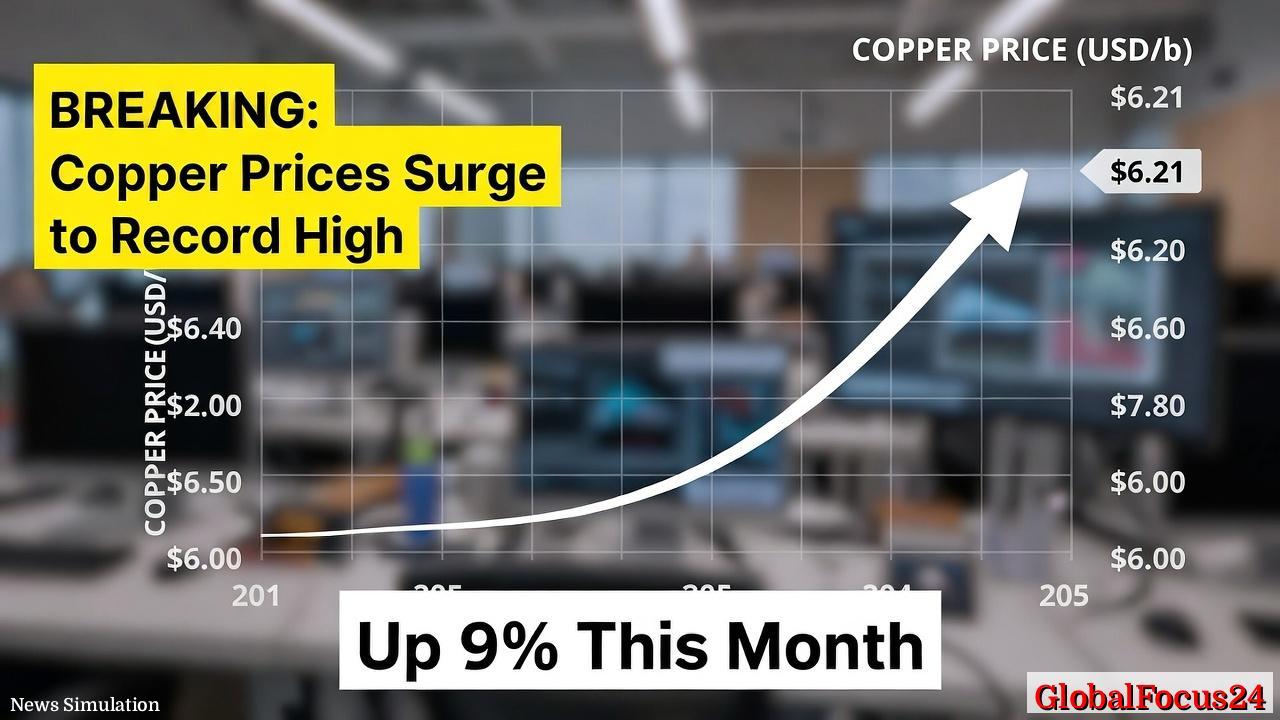
Copper prices surged to a new record in CFD trading, topping $6.21 per pound as markets absorbed persistent supply tightness and a robust wave of demand tied to electrification, renewable energy infrastructure, AI data centers, and broader industrial applications. The move marks another milestone in a year shaped by supply constraints, the transition to low-carbon technology, and regional shifts in mining and processing capabilities. Market observers describe the session as part of a multi-month upward trajectory that continues to reshape pricing dynamics for base metals across global markets.
Background and historical context
Copper has long been considered a bellwether for global economic health because of its wide range of industrial uses. The metal is essential for electrical wiring, power generation and transmission, and a growing array of high-technology applications. Historically, copper prices have shown pronounced sensitivity to supply disruptions, geopolitical developments, and shifts in energy policy. The current price level reflects a confluence of supply-side limitations—copper ore grades have declined in several major producing regions, mine development faces permitting and environmental hurdles, and logistics bottlenecks persist in key exporting corridors. On the demand side, the ongoing push toward decarbonization has accelerated electrification projects, including grid modernization, charging networks for electric vehicles, and green hydrogen infrastructure, all of which rely heavily on copper for reliability and efficiency.
Supply constraints and regional dynamics
Analysts point to several structural factors sustaining copper tightness. First, mine supply growth has lagged behind demand for several years, with major producers reporting lower ore grades and higher extraction costs. Second, processing capacity has faced limitations due to maintenance cycles, environmental permitting delays, and capital constraints that slow expansion of smelting and refining facilities. Third, logistics and transportation disruptions—amplified by container shortages, port congestion, and energy price volatility—complicate the movement of copper concentrates and refined product to end users. Regional disparities persist: supply conditions in Chile and Peru, two of the largest copper suppliers, continue to influence global prices, while mines in other regions seek to fill the gap through expansion plans or collaboration with processing partners.
Economic impact and downstream effects
Elevated copper prices influence a broad spectrum of economic activity. For manufacturers, higher input costs can compress margins unless pricing power is achievable, prompting some producers to accelerate hedging strategies or seek alternative materials. For infrastructure and construction sectors, the higher commodity price environment can affect project budgeting and procurement timelines, particularly in regions with tight credit and supply chain fragility. On the investment side, sustained price strength often encourages capital expenditure in mining and refining, which can boost regional employment, technology adoption, and related services. Governments may weigh mineral royalties, tax policies, and environmental standards as they balance revenue generation with sustainable development goals.
Regional comparisons and market context
In analyzing regional price behavior, several markets have exhibited differing responses to the copper rally. In Asia, where manufacturing activity remains resilient, copper pricing has mirrored global trends while also reflecting domestic demand patterns tied to infrastructure stimulus and electronics production. Europe has observed price movements that align with global supply concerns but are tempered by regional energy transitions and regulatory frameworks that influence industrial demand. North American markets have shown sensitivity to both domestic manufacturing data and supply-chain resilience initiatives, with investment in electrical infrastructure and clean energy projects contributing to steady appetite for copper-intensive equipment. The current price level also interacts with substitutes and alternatives in some applications, though copper’s superior conductivity and reliability continue to sustain its premium position in many end-uses.
Technological and policy drivers
The acceleration of electrification and green technology remains a principal driver of copper demand. Electric vehicles, solar and wind installations, and grid modernization projects rely on copper-rich components for performance and longevity. Data centers and AI-driven compute infrastructure contribute to demand through power distribution networks and cooling systems that require high-conductivity materials. Policy initiatives aimed at reducing carbon footprints and improving energy efficiency in transportation and industry further reinforce the long-run appeal of copper, supporting a structural price floor even amid short-term volatility. At the same time, policy shifts in mining governance, environmental stewardship, and resource nationalism can influence supply prospects and project timelines, shaping the risk-reward calculus for miners and investors.
Market outlook and risk factors
Looking ahead, the copper market is likely to remain sensitive to a mix of macroeconomic signals, supply-side developments, and demand catalysts. Key risk factors include potential disruptions to major producing regions, currency fluctuations, and shifts in energy prices that affect production and transport costs. Conversely, ongoing investments in copper-related infrastructure, advancements in ore processing, and strategic mining partnerships may help to stabilize supply and support continued price strength. Traders and corporate buyers are advised to monitor inventory levels, refining capacity, and regional port operations as indicators of near-term momentum and longer-term trajectory.
Investment considerations for stakeholders
- Hedging and risk management: Market participants often employ hedging strategies to manage price volatility, including futures, options, and over-the-counter contracts. A disciplined approach to hedging can help protect margins for manufacturers and project developers.
- Procurement planning: For companies with copper-intensive supply chains, scenario planning around price bands, lead times, and supplier diversification is essential to maintain project timelines and cost discipline.
- Capex and project economics: Mining companies and smelters may respond to sustained price strength by advancing exploration, permitting, and capacity expansion, potentially impacting regional employment and related industries.
- Environmental and social governance: As governments and lenders emphasize responsible sourcing, miners with strong ESG frameworks may gain favorable access to capital and partnerships, reinforcing the resilience of copper supply in the longer term.
Conclusion and takeaways
The latest rally in copper prices underscores a global economy increasingly oriented toward electrification, digital infrastructure, and energy transition initiatives. While high prices can present challenges for certain segments of the supply chain, they also signal opportunity for producers and service providers aligned with these transformative megatrends. The price dynamics reflect a delicate balance between steadfast demand for copper’s essential properties and the ongoing need to expand sustainable, efficient, and responsible supply networks. As markets process these developments, stakeholders across manufacturing, construction, and energy sectors will watch closely how supply constraints evolve, how policy frameworks adapt, and how technology continues to unlock new avenues for copper’s role in modern economies.