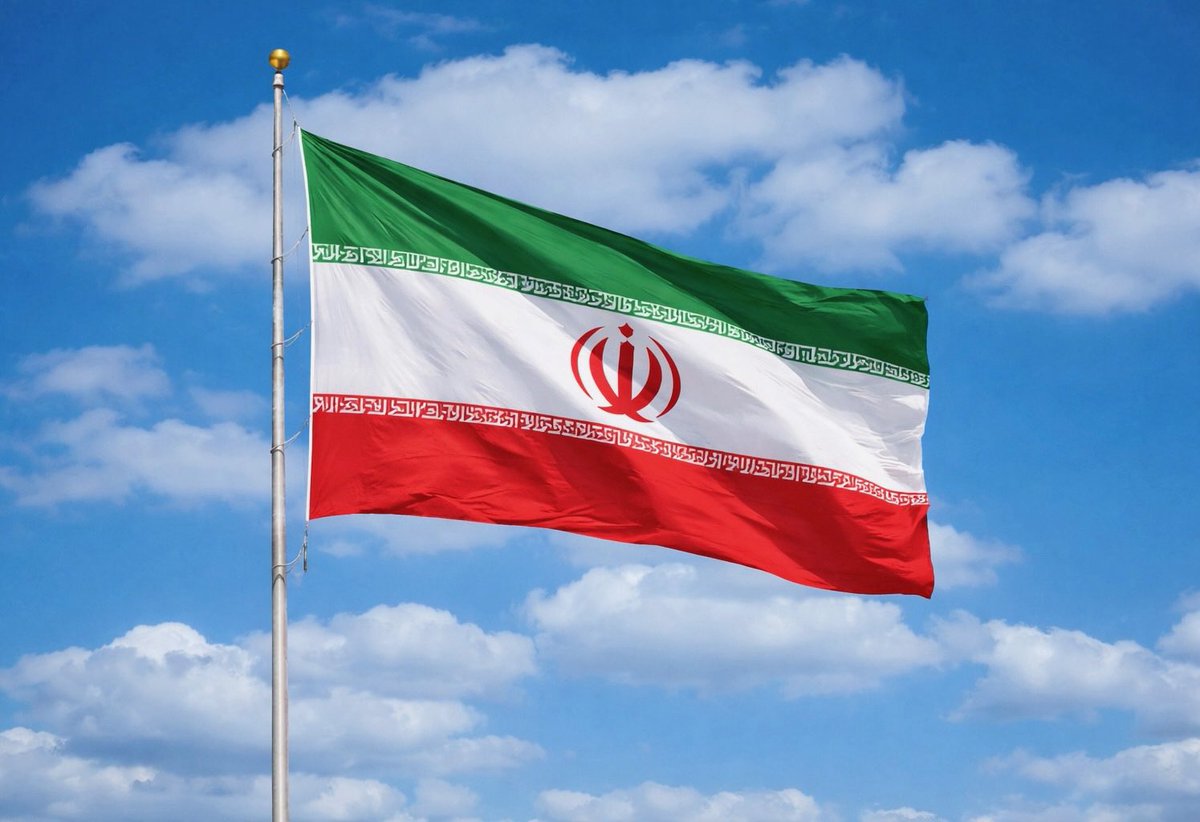
Argentina Expels Iran’s Top Diplomat Amid Rising Tensions Over 1994 Bombing Investigation
Diplomatic Crisis Deepens in Buenos Aires
Argentina has expelled Iran’s highest-ranking diplomat from the country, a dramatic move that underscores longstanding tensions between the two nations linked to unresolved questions surrounding the 1994 AMIA bombing. The expulsion, confirmed by Argentina’s Foreign Ministry late Saturday, marks a turning point in bilateral relations already strained by decades of mistrust, legal deadlocks, and conflicting narratives around one of South America’s most devastating terrorist attacks.
The Iranian envoy was reportedly given 48 hours to leave Argentine territory. The government cited "national security concerns and lack of transparency in diplomatic exchanges" as justification. The decision follows months of renewed investigation into the bombing of the Argentine Israelite Mutual Association (AMIA) building in Buenos Aires—an attack that killed 85 people and injured hundreds. While Iran has consistently denied involvement, Argentine prosecutors have long accused several Iranian officials and members of Hezbollah of orchestrating the assault.
A Shadow Cast by History
The 1994 bombing remains one of Argentina’s deepest wounds. It came at a time when the nation was rebuilding from years of economic instability and attempting to position itself as a bridge between Latin America and the Middle East. For decades, the case has haunted both domestic politics and international diplomacy. Investigative efforts have repeatedly faltered amid corruption scandals, allegations of cover-ups, and the mysterious 2015 death of prosecutor Alberto Nisman, who was leading the inquiry into the alleged Iranian connection.
Argentina’s judicial authorities in recent months revived aspects of Nisman's unfinished investigation after new intelligence reports suggested possible interference in earlier proceedings. Analysts in Buenos Aires indicated that the expulsion may reflect Argentina’s desire to reaffirm its independence from external pressure and demonstrate a commitment to justice in a case that has faded from internationals but remains a symbol of impunity at home.
Regional and Global Repercussions
The expulsion immediately reverberated across South America’s diplomatic landscape. Governments in Chile, Brazil, and Uruguay issued cautious statements calling for calm and dialogue, while U.S. officials privately welcomed Argentina’s "firm stance" on counterterrorism transparency. Iranian officials responded with sharp criticism, describing the action as “unjustified and politically motivated,” and warned of potential retaliatory diplomatic measures.
For Argentina, the decision carries both risks and opportunities. Economically, Iran is not a major trading partner, but the confrontation could complicate Argentina’s relations with nations aligned with Tehran, particularly within the framework of emerging trade corridors stretching from South America to Eurasia. Observers note that Buenos Aires has recently strengthened ties with Western allies and intensified cooperation with Israeli intelligence agencies, an alignment that may have indirectly influenced its latest diplomatic move.
Energy, Trade, and Strategic Calculations
The timing also intersects with Argentina’s broader geopolitical recalibration. The nation is seeking to expand its energy exports and attract foreign investment to stabilize its struggling economy, which continues to face inflation above 180 percent and mounting debt obligations. Iran, which has occasionally shown interest in agricultural imports and energy technology exchanges with South American nations, represents a minor but symbolic player within Argentina’s foreign trade portfolio.
Argentina’s energy industry, particularly in the Vaca Muerta shale formation, has become central to its economic recovery strategy. Analysts suggest that taking a strong stance on terrorism-related issues could enhance Buenos Aires’ credibility among Western investors wary of corruption and opaque foreign links. The expulsion therefore may serve both a moral and strategic purpose—reinforcing Argentina’s image as a law-abiding democracy committed to international norms while seeking to secure economic support from partners aligned with its renewed commitment to transparency.
Historical Patterns of Diplomatic Confrontation
Argentina’s relationship with Iran has oscillated between cautious engagement and outright confrontation since the 1980s. In the early years following the Iranian Revolution, Buenos Aires maintained pragmatic ties based on oil and agricultural trade. That dynamic shifted dramatically after the AMIA bombing, when Argentina joined efforts led by Interpol to issue arrest warrants for Iranian officials believed to have ties to Hezbollah operatives.
Over time, however, domestic instability and shifting governments led to uneven handling of the sensitive case. In 2013, the controversial "Memorandum of Understanding" between Argentina and Iran sought to create a joint truth commission to investigate the bombing—a move that critics said compromised Argentina’s sovereignty. The memorandum was later nullified after fierce public backlash and accusations that it served Tehran’s interests.
The expulsion of Iran’s top diplomat now revives memories of that failed attempt at reconciliation. It signals a clear shift toward a more assertive foreign policy agenda that prioritizes judicial independence and international cooperation against terrorism.
Domestic and Public Reaction in Argentina
Public reaction inside Argentina has been intense. Outside the AMIA building in Buenos Aires, crowds gathered overnight to place candles and photos of victims at the memorial wall. Survivor groups expressed support for the government’s decision, describing it as "a long-overdue measure that honors truth and justice." Social media channels quickly filled with messages of solidarity and calls to reignite the stalled investigation.
However, not everyone agrees with the expulsion. Some political analysts warn that escalating diplomatic rifts could undermine Argentina’s efforts to position itself as a global mediator in South–South cooperation. They caution that without tangible progress on the judicial front, symbolic gestures like expulsions could backfire, deepening isolation from certain blocs in the Global South.
Comparisons Across Latin America
Argentina’s decisive action stands in contrast to how some neighboring countries have managed relations with Iran. In Brazil, diplomatic ties have remained cordial despite occasional tensions over Middle Eastern geopolitics. Chile and Peru have historically maintained low-intensity engagement, focusing on trade rather than ideology. Colombia, on the other hand, has publicly condemned Iranian influence through regional proxy networks, aligning closely with U.S. counterterrorism initiatives.
Argentina’s shift therefore places it among the more assertive voices in Latin America’s evolving stance toward Iran. It also indicates a potential restructuring of how the region addresses long-term security cooperation and intelligence sharing. With global tensions rising around clandestine networks and hybrid warfare threats, regional governments may see Argentina’s decision as a model for how small and mid-sized nations can assert moral authority even at economic cost.
Economic Context and Future Prospects
Beyond immediate diplomatic consequences, the move reflects Argentina’s attempt to restore international confidence amid economic volatility. Inflationary pressures have eroded household purchasing power, and the government is navigating complex negotiations with international creditors. Establishing credibility—both politically and morally—has become crucial to attract foreign capital and stabilize domestic investment.
Experts argue that the expulsion may indirectly support this effort by signaling to investors that Argentina is serious about enforcing rule of law. Transparent governance, they say, is not only vital for judicial integrity but also for economic recovery. Any short-term fallout in trade relations with Iran is unlikely to shake Argentina’s macroeconomic outlook, given that Iranian imports and exports account for less than 0.5 percent of its total trade volume.
Still, the expulsion may reverberate in international forums where Argentina seeks support for development projects. Tehran could leverage sympathy among allied nations to challenge Buenos Aires in diplomatic circles, particularly within multilateral organizations like the Non-Aligned Movement and certain UN committees focused on human rights. Argentina's challenge will be to navigate that complexity while maintaining its moral stance.
Looking Ahead
As Argentina braces for potential diplomatic countermeasures, the decision to expel Iran’s top diplomat carries significant symbolic value. It reaffirms a nation still grappling with the ghosts of 1994—a nation seeking closure, justice, and international respect. The crisis may yet open pathways for renewed cooperation with Western agencies in the fight against transnational terrorism, while compelling Argentina’s judiciary to deliver long-delayed answers to a grieving public.
For now, Buenos Aires has drawn a clear line: the pursuit of justice outweighs diplomatic convenience. Whether this course will bolster Argentina’s standing on the world stage or deepen its isolation remains uncertain. What is clear is that Argentina has chosen to act decisively, rekindling a conversation that echoes far beyond its borders—a reminder that the consequences of history can never be fully erased, only confronted.