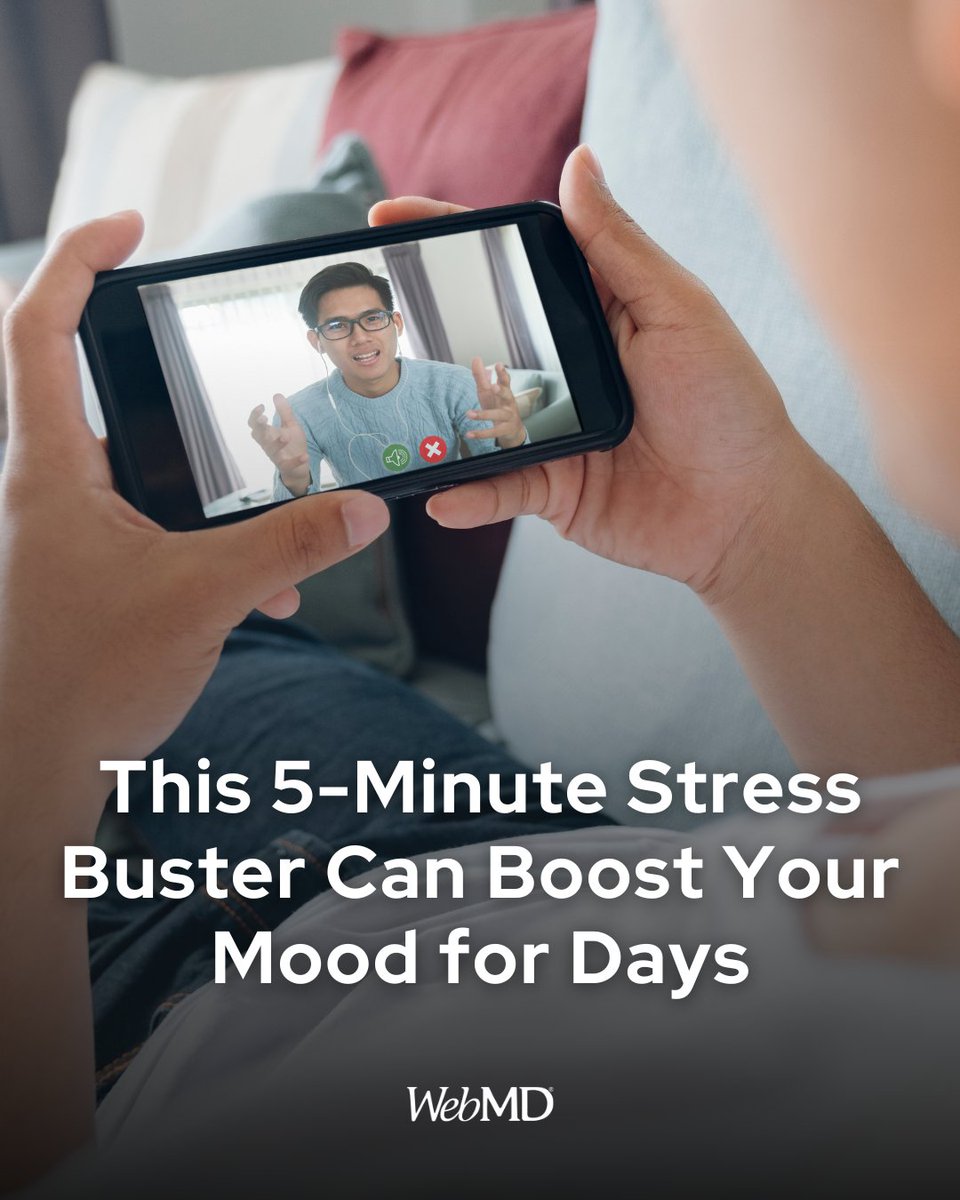
This 5-Minute Stress Buster Can Boost Your Mood for Days
Short Inspirational Videos Offer Lasting Emotional Relief
A groundbreaking new study has found that watching just five minutes of inspirational video content can dramatically lower stress levels and elevate mood for up to ten days. Researchers discovered that stories of underdogs overcoming significant obstacles are far more effective at providing sustained emotional benefits than typical lighthearted distractions, such as humorous clips or neutral entertainment.
The research, conducted over several months with diverse groups of participants, offers compelling evidence that this simple, accessible practice could emerge as a valuable tool in the modern fight against chronic stress and mood disorders. The results suggest that the right kind of short-form digital media may carry far greater mental health potential than previously understood.
How the Study Was Conducted
Participants in the study were divided into three main groups. One group watched five-minute videos focused on real-life accounts of resilience and triumph—such as athletes defeating overwhelming odds, or individuals persevering through personal and societal challenges. The second group viewed humorous clips designed to provoke light amusement, while the third group watched neutral videos, such as scenic nature footage or generic interviews.
Immediately after viewing, all participants reported boosts in mood and decreases in perceived stress. However, only those in the inspirational video group maintained significantly improved emotional states in the days that followed. Researchers tracked participants for more than a week, with follow-up assessments at day 3, day 7, and day 10. The positive effects for the resilience-focused group persisted across each checkpoint, while the other groups’ benefits declined sharply within 24 hours.
The Neurological Link Between Storytelling and Well-being
Experts involved in the project explained that inspirational stories work by activating several interconnected brain regions crucial for emotional regulation. These include:
- The anterior cingulate cortex, which helps process empathy and social emotions.
- The ventral striatum, linked to rewards and motivation.
- The prefrontal cortex, responsible for managing complex feelings and stress responses.
Stories of perseverance appear to stimulate the release of dopamine and oxytocin—hormones associated with pleasure, trust, and social bonding. Unlike the quick serotonin spike from humor or a visual distraction, these hormonal changes foster a deeper, more sustainable emotional uplift.
Lead researchers emphasized that these "micro-interventions" do not require hours of engagement or specialized training. A few minutes of exposure to powerful human narratives can create a lingering sense of hope and connection.
Historical Context: Storytelling as Emotional Medicine
While the study focuses on modern short-form videos, the core concept aligns with ancient traditions. Throughout history, oral storytelling has served as a way to inspire perseverance and communal support. In many cultures, myths and true-life accounts of overcoming adversity were passed down to strengthen resilience during times of hardship.
Religious parables, wartime narratives, and folk tales often carried lessons about courage and determination. These stories sustained morale and strengthened group cohesion across generations. Today’s instant access to digital video platforms has simply accelerated and expanded the reach of such emotionally potent content.
Comparing Inspirational Content to Other Stress-Relief Trends
In recent years, stress-reduction discussions have focused heavily on mindfulness meditation, deep breathing techniques, and regular exercise. While these methods remain effective for many, they often require time, space, and dedication—resources that may be scarce for individuals balancing demanding jobs, caregiving responsibilities, and personal challenges.
By comparison, inspirational video content is:
- Highly accessible — available on smartphones, laptops, or streaming devices within seconds.
- Low commitment — requires just a few minutes rather than extended sessions.
- Portable — can be viewed during commutes, work breaks, or in between tasks.
Unlike humor or random entertainment, inspirational narratives seem to leave a deeper imprint on the viewer’s emotional state. This long-lasting effect could make them a valuable complementary strategy alongside more traditional mental health practices.
Regional and Demographic Differences
The research team noted subtle variations in results across different regions and age groups. Urban participants, for instance, tended to report stronger benefits, possibly due to higher baseline stress levels from dense living environments and fast-paced lifestyles. Older participants often related more personally to stories of perseverance, having experienced extended challenges or societal changes over their lifetimes.
Similarly, cultural factors played a role in determining which stories resonated most deeply. In regions with collective community values, videos highlighting group achievements tended to have greater impact than those focusing solely on individual triumphs. In contrast, more individualistic societies responded strongly to narratives of singular determination and self-reliance.
Economic and Workplace Implications
The study’s findings open intriguing possibilities for workplace wellness programs. High stress and burnout rates continue to challenge productivity, creativity, and employee retention in both public and private sectors. Offering curated inspirational video sessions—possibly at the start of meetings or during scheduled breaks—could serve as an inexpensive morale booster.
For employers, this micro-intervention approach presents minimal cost compared to comprehensive wellness retreats or ongoing therapy subsidies. Early adoption could potentially reduce absenteeism, improve team cohesion, and enhance employee satisfaction. In high-pressure industries such as healthcare, finance, and education, even a modest improvement in mood duration can have tangible benefits.
Moreover, streaming platforms and content creators could see expanded demand for short inspirational videos tailored to corporate wellness initiatives. This niche content market may emerge as a profitable segment within the broader digital entertainment industry.
Incorporating Daily Micro-Interventions
Mental health professionals recommend simple ways to integrate this practice into daily life:
- Select short clips depicting real-life resilience, available through verified online channels.
- Schedule daily or every-other-day viewing times—morning sessions are especially effective for setting a positive tone.
- Choose narratives that resonate personally, whether tied to sports, community activism, or overcoming physical limitations.
- Share notable videos with friends, family, or colleagues to spread the benefits through social connection.
Because uplifting stories appear to activate the brain’s social circuitry, sharing them can amplify the emotional effect. Group viewings, even in virtual settings, may boost collective morale.
Limitations and Future Research
Researchers acknowledged several limitations in the current study. Results may vary based on personal preferences, cultural context, or the emotional state of the viewer before engagement. Additionally, the optimal frequency and type of inspirational content have yet to be fully determined.
To deepen understanding, future studies will explore:
- Whether fictional portrayals of perseverance produce similar outcomes.
- How specific narrative elements—such as pacing, visuals, or music—affect mood longevity.
- Potential risks, such as emotional fatigue if stories are overly intense or triggering.
There is also interest in examining demographic variables more closely, including whether teenagers and children show the same sustained benefits, and if certain socioeconomic factors influence accessibility and engagement.
Public Reaction and Broader Significance
Early public response to these findings has been enthusiastic. Wellness influencers, educators, and mental health advocates are already incorporating short inspirational videos into programs and personal routines. In online discussion forums, many users have expressed surprise at how a brief dose of resilience-based storytelling can noticeably shift their mindset for hours and even days afterward.
The broader significance lies in demonstrating that digital media—often criticized for fostering distraction and anxiety—can be harnessed for meaningful psychological benefit. In a fast-paced world where attention spans are shrinking and stressors mount daily, this research suggests a simple yet powerful antidote.
As scientists continue to refine and expand upon these early results, many observers believe short-form inspirational storytelling may soon become an integral part of modern well-being strategies worldwide.