Eggs Unveiled as Nutritional Powerhouses
Eggs have long stood as a staple in kitchens around the world, but recent nutrition-focused reporting and research underscore an often-understated fact: eggs are among the most nutrient-dense foods available in a relatively small caloric package. This article examines the multifaceted health benefits of eggs, situating their value in historical dietary patterns, current economic realities, and regional comparisons that illuminate how a simple breakfast staple continues to influence health outcomes and food systems.
Historical context: eggs in the diet through time For centuries, eggs have been valued not only as a protein source but as a versatile ingredient that could stretch across meals and cultures. In agrarian societies, laying hens provided a reliable daily yield that supported family nutrition during lean seasons. As urbanization took hold, eggs became a convenient, portable source of high-quality protein, fat, and micronutrients. The 20th century solidified eggs’ role in Western diets, particularly as a budget-friendly protein option for growing families. Innovations in poultry farming, refrigeration, and regional supply chains helped standardize egg availability, making them a backbone in school meals, hospital menus, and institutional dining.
In recent decades, public health guidance and nutrition science have evolved, oscillating between concern over cholesterol and appreciation for protein quality and micronutrient density. Contemporary research differentiates dietary cholesterol from blood cholesterol levels with greater nuance, contributing to a more balanced view of eggs as part of a healthy diet for many individuals. This shift has supported a broader global recognition of eggs as a nutrient-dense, versatile food that can fit into varied dietary patterns, from plant-forward menus to omnivorous traditions.
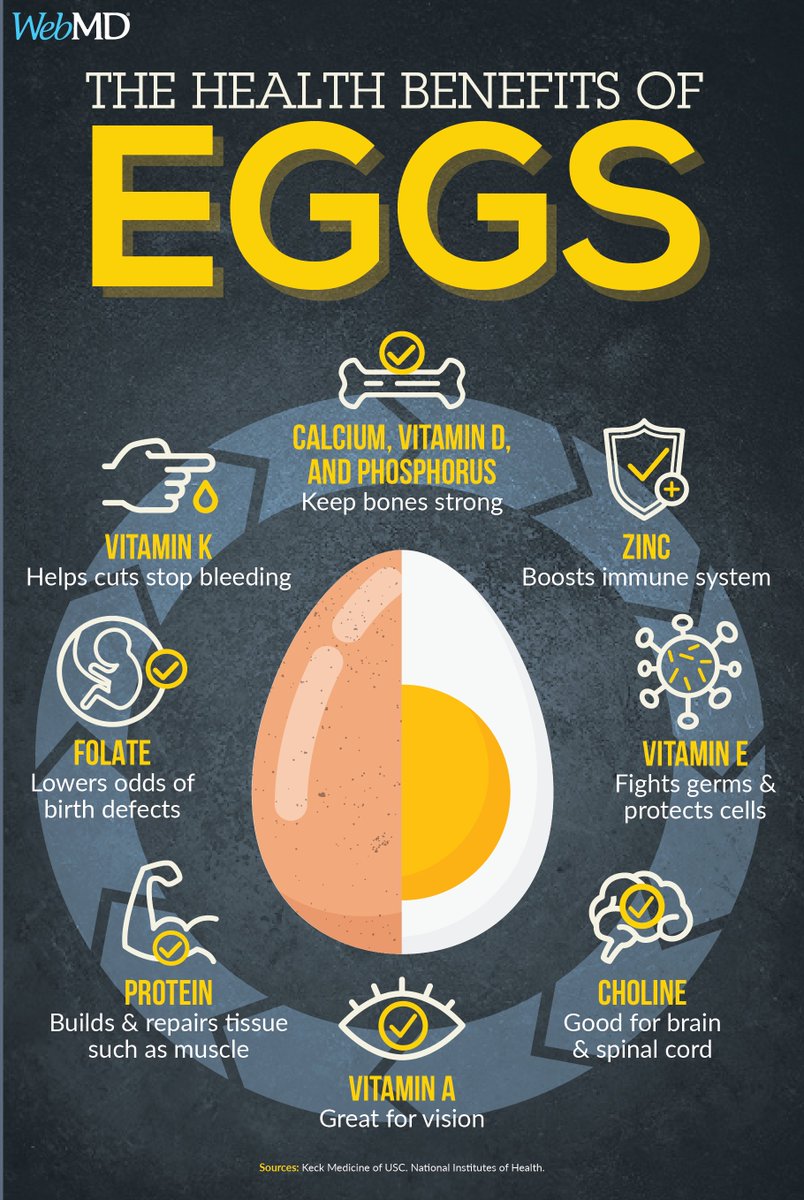
Nutrient density and physiological benefits Eggs are often described as a “perfect nutrient package” due to their combination of high-quality protein and essential vitamins and minerals. A single large egg provides roughly 70 calories and includes lean protein, healthy fats, and a suite of micronutrients in amounts that are practical for daily consumption.
Key nutrients and their roles:
- Protein and amino acids: Eggs offer complete protein, supplying all nine essential amino acids necessary for tissue repair, muscle maintenance, and enzymatic function. This makes them particularly valuable for athletes, older adults at risk of sarcopenia, and anyone seeking a convenient protein source.
- Vitamin D and calcium synergy: While vitamin D supports calcium absorption and bone health, eggs contain vitamin D in a bioavailable form that can contribute to bone maintenance when paired with dairy, fortified foods, or sunlight exposure.
- Folate: Folate supports fetal development and maternal health, and broader population health benefits include DNA synthesis and repair—an important consideration for reproductive-age individuals and systems focused on maternal and child health.
- Vitamin B12 and choline: B12 plays a critical role in nerve function and red blood cell formation, while choline supports brain development and cognitive function, underscoring eggs’ value in early childhood nutrition and aging populations.
- Vitamin A and vitamin E: These fat-soluble vitamins contribute to vision, immune function, and cellular protection, enhancing overall health resilience.
- Zinc and immune support: Zinc is integral to immune function and wound healing, contributing to the body’s defense mechanisms against pathogens.
- Phosphorus: Phosphorus supports bone health, energy production, and cell function, complementing calcium in maintaining skeletal integrity.
Regional comparisons and dietary context Across regions, eggs serve different roles in diets, reflecting cultural preferences, availability, and economic factors. In many East Asian and European countries, eggs are a staple protein source that pairs with a wide range of grains, vegetables, and fermented foods. In Latin America and parts of Africa, eggs are often incorporated into soups, stews, and street-food dishes, providing a reliable protein anchor in meals that may otherwise rely on plant-based proteins. In the United States and parts of Europe, eggs are common at breakfast and are central to prepared foods such as baked goods, quiches, and egg-based entrees.
Economic impact and supply considerations Egg production is a robust sector in agriculture, influencing farm incomes, rural employment, and supply chain dynamics. The affordability of eggs relative to other protein sources can influence household nutrition, particularly in communities with limited access to affordable meat or dairy alternatives. Feed costs, weather conditions, disease management (such as avian influenza outbreaks), and diverse farming practices (from cage-free to free-range to barn systems) shape price volatility and supply reliability. For consumers, these factors translate into practical decisions about budgeting, meal planning, and dietary variety.
Environmental considerations and sustainability As with any farming system, the environmental footprint of egg production varies with management practices. Efficient feed conversion, waste management, and housing standards influence energy use, greenhouse gas emissions, and resource utilization. Some systems emphasize pasture access, rotational grazing, and enriched environments to support animal welfare while addressing sustainability goals. Consumers increasingly weigh these factors when choosing eggs, alongside concerns about animal welfare, nutrition, and cost.
Public health implications and consumer guidance Eggs can play a meaningful role in populations at risk of nutrient deficiencies, including vitamin D, choline, and high-quality protein. For certain individuals with specific medical conditions—such as those managing cholesterol together with other risk factors—healthcare providers may tailor dietary recommendations. For the general population, moderate egg consumption, within an overall balanced diet, aligns with guidelines that emphasize nutrient density without excessive saturated fat intake. Public health messaging often highlights eggs as part of a varied diet that includes vegetables, fruits, whole grains, and lean proteins.
How eggs fit into modern dietary patterns
- Breakfast staples: Eggs remain a versatile breakfast option, enabling quick preparation while providing sustained energy through protein and healthy fats.
- Versatile culinary applications: From frittatas and shakshuka to egg-based sauces and baked goods, eggs offer functional flexibility for diverse cuisines.
- Dietary trend compatibility: Eggs can be integrated into low-carbohydrate, high-protein, or traditional Mediterranean-style diets, benefiting from their nutrient density and culinary adaptability.
- Fortification and enrichment: In some regions, eggs are fortified with additional nutrients or consumed alongside fortified foods to address specific public health goals, illustrating how nutrition science translates into practical food policy.
Implications for policymakers and industry stakeholders Policymakers can support nutrition and food security by recognizing eggs as a cost-effective nutrient source within broader dietary guidance. Initiatives may focus on safe production standards, animal welfare considerations, and transparent labeling to help consumers make informed choices. Industry stakeholders—from farmers to retailers to food manufacturers—can harness this understanding to improve supply chain resilience, ensure food safety, and promote responsible farming practices that balance nutrition, economics, and environmental stewardship.
Public perception and consumer behavior Public sentiment around eggs often reflects a blend of traditional appetite and evolving scientific nuance. While some audiences have historically debated cholesterol content, contemporary evidence supports a nuanced approach that considers overall dietary patterns and cardiovascular risk management. Consumers increasingly seek transparency about sourcing, farming practices, and the nutrient profile of eggs, driving demand for labels that communicate welfare standards, origin, and nutritional attributes.
Conclusion: eggs as a durable pillar of global nutrition Eggs occupy a unique intersection of affordability, nutrition, and culinary versatility. Their dense nutrient profile—combining high-quality protein with essential vitamins and minerals—positions them as a valuable component of diverse dietary patterns worldwide. As food systems continue to evolve in the face of climate challenges and economic pressures, eggs offer a reliable source of nutrition that can adapt to regional needs while supporting public health goals. Continued investment in sustainable production, clear consumer information, and thoughtful policy alignment will ensure that eggs remain a practical, health-forward element of diets for years to come.