Global AIDS Funding Faces New Reckoning as Cuts Spark Cross-Continental Debate
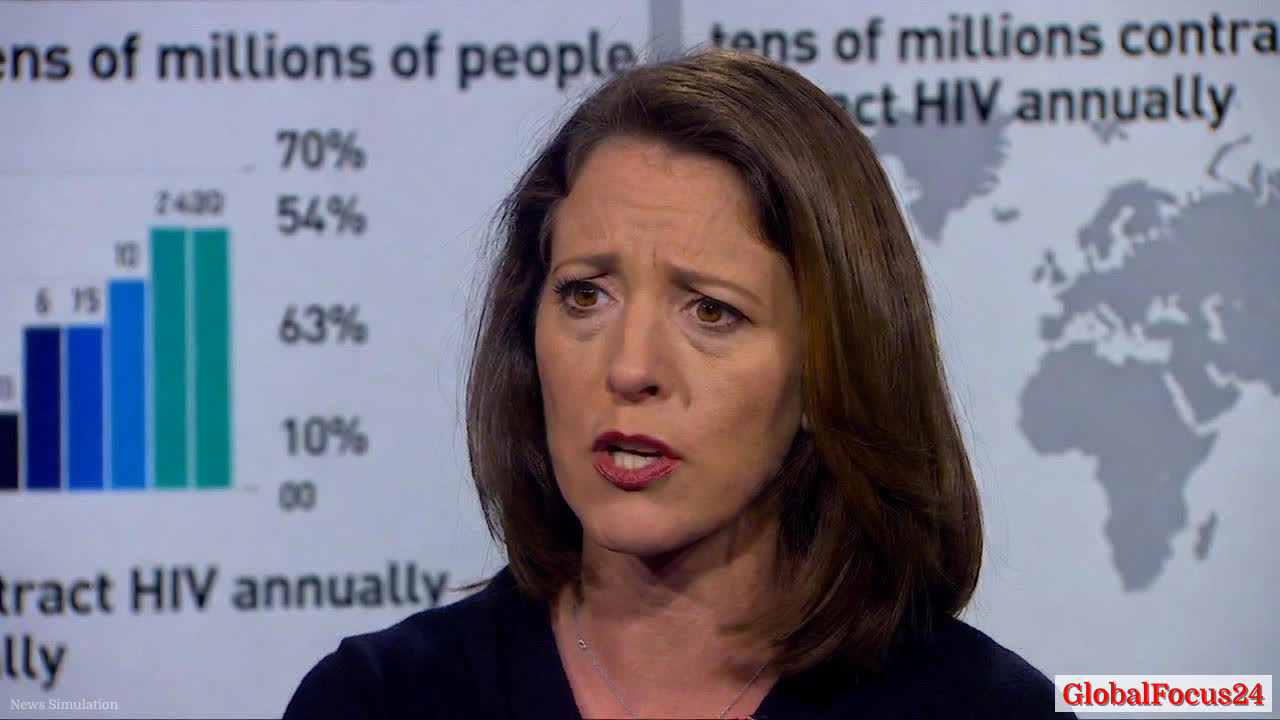
A sweeping review of international health funding reveals that recent policy shifts in the United States have accelerated a long-running debate over how best to combat HIV/AIDS worldwide. With billions of dollars redirected or trimmed, advocates warn that gains in treatment access, prevention, and surveillance could stall, threatening decades of progress in regions most affected by the epidemic. The unfolding story, already echoing across capitals and NGOs, sits at the intersection of health, economics, and global cooperation.
Historical context: a decades-long effort to curb AIDS
The global fight against HIV/AIDS entered a new phase in the early 2000s as international coalitions mobilized substantial donor resources for antiretroviral therapy, prevention campaigns, and expanded testing services. Programs such as the Global Fund to Fight AIDS, Tuberculosis and Malaria, along with bilateral aid and UN-led initiatives, helped slash mortality rates and extend life expectancy for millions of people living with HIV. In many low- and middle-income countries, treatment expansion coincided with broader public health reforms, including labor force participation by people living with HIV and the reduction of stigma that often hindered access to care.
Yet the AIDS response has always been uneven. Financing gaps, supply chain bottlenecks, and shifting political priorities have created cycles of progress and pause. Historical data show that when donor governments commit to long-term funding with predictable multi-year budgets, patient outcomes improve more consistently. Conversely, funding volatility tends to disrupt procurement, undermine adherence, and increase the risk of drug resistance when patients cannot maintain uninterrupted therapy.
Economic impact: funding decisions and market dynamics
The economics of global health funding operate on a complex balance between humanitarian impulse, national interests, and the realities of public finance. Large, stable commitments enable negotiated pricing with pharmaceutical manufacturers, sustainable procurement networks, and investment in local health infrastructure such as laboratories, clinics, and supply chains. When major funders recalibrate their contributions—whether through budgetary tightening, policy shifts, or changing geopolitical priorities—the ripple effects extend beyond health outcomes.
Industry observers note that pharmaceutical supply chains are highly sensitive to funding signals. If donor contributions to prevention and treatment programs wane, manufacturers face demand uncertainty, which can influence inventory management, manufacturing scale, and long-term contracts. Health ministries in recipient countries often rely on predictable funding to plan antiretroviral rollouts, adherence programs, and lab capacity expansion. Interruptions can lead to stockouts, medication gaps, and backlogs in testing and reporting systems.
Regional comparisons: where the impact may be most acute
- Sub-Saharan Africa: Home to the majority of people living with HIV, this region has benefited from decades of donor-supported ART access. Reductions in international funding could affect treatment continuity, viral suppression rates, and prevention campaigns such as mother-to-child transmission interventions. The consequences would be most visible in rural and peri-urban areas where health services are already stretched.
- Southeast Asia and the Pacific: Countries in this corridor have expanded testing and PrEP (pre-exposure prophylaxis) programs substantially in recent years. A shift in aid could slow scale-up and complicate efforts to close testing gaps among key populations. Local health systems with relatively limited surge capacity would be particularly vulnerable to funding volatility.
- Latin America and the Caribbean: The region has made progress in integrating HIV care with primary health services, but persistent disparities exist among marginalized communities. Reduced donor support could complicate outreach, stigma-reduction efforts, and linkage to care, potentially widening gaps in ART access.
- Eastern Europe and Central Asia: In some countries, HIV epidemics are concentrated among key populations. Sustainable funding remains essential to maintain harm-reduction services, testing, and treatment programs in contexts where social and political climates can affect program uptake.
Public reaction: urgency mixed with concern
Community organizations, frontline healthcare workers, and patient advocacy groups have responded with a mix of urgency and resilience. While researchers emphasize the science behind ART and prevention strategies, many local advocates stress that gains depend on stable funding streams and predictable program planning. In urban centers and rural clinics alike, patients and providers describe the difference between a steady supply of medications and the chaos of stockouts or interrupted follow-up care.
Public health experts underscore that even modest funding reductions can compound if they lead to reduced testing and late diagnoses. Early detection remains critical for limiting transmission and improving outcomes. As testing campaigns scale up to reach underserved populations, any slowdown can delay treatment initiation and erode the gains achieved through years of outreach.
Policy analysis: what changing funding means for program design
Analysts argue that the most effective AIDS programs blend treatment with prevention and social support. A comprehensive approach includes:
- Ensuring uninterrupted ART access: Uniform drug supply and robust patient monitoring prevent viral rebound and resistance.
- Expanding testing and early diagnosis: Widespread, stigma-free testing facilitates timely care and reduces transmission.
- Targeted prevention for high-risk groups: Tailored strategies for sex workers, men who have sex with men, intravenous drug users, and young people improve overall outcomes.
- Strengthening health systems: Investments in laboratories, data systems, and supply chains yield benefits beyond HIV care, reinforcing public health infrastructure.
- Community-centered delivery: Local NGOs and community health workers often bridge gaps between clinics and populations that may distrust formal health systems.
Economic modeling suggests that well-funded HIV programs yield high social returns through reduced new infections, increased workforce participation, and lower long-term healthcare costs. Conversely, funding contractions can push governments to reallocate resources away from HIV, potentially increasing the burden on emergency services and specialized care for late presenters.
Technological and scientific context: the role of innovation
Over the past decade, innovations in antiretroviral therapy, point-of-care testing, and digital adherence tools have reshaped the prevention and treatment landscape. Long-acting injectable therapies, novel prophylactics, and universal testing approaches offer new pathways to curb transmission and improve patient quality of life. However, these advances require sustained investment in research, procurement, and clinician training. A funding retreat could slow the adoption of such technologies in resource-limited settings, widening the gap between wealthier and poorer nations.
Regional policy responses: adapting to a changing funding environment
- Diversifying funding sources: Countries and international bodies are increasingly exploring blended finance models, public-private partnerships, and regional funding pools to reduce reliance on any single donor.
- Prioritizing cost-effective interventions: In environments with constrained budgets, programs focus on the highest-impact strategies, such as sustained ART coverage, targeted prevention for key populations, and efficient procurement.
- Expanding domestic financing: Some governments are accelerating domestic investment in HIV programs to bolster sustainability, though this often requires macroeconomic stability and strong governance.
- Strengthening data and accountability: Transparent reporting, robust monitoring and evaluation, and independent audits help justify continued investment by demonstrating tangible results.
Implications for global health diplomacy
The debate over AIDS funding sits at the heart of global health diplomacy. Donor nations weigh humanitarian commitments against domestic priorities and political narratives. Recipients pursue indicators that demonstrate progress while addressing local realities, such as rural access barriers, health worker shortages, and pervasive stigma. The outcome of this funding discourse could shape collaborations across international bodies, national health ministries, and civil society networks for years to come.
A note on public health messaging
Clear, consistent communication is crucial. Public health messaging must emphasize that HIV/AIDS is a treatable condition when diagnosed early and managed with lifelong therapy. Outreach should continue to prioritize reducing stigma and ensuring that communities understand the availability of testing, treatment, and prevention options. In times of funding uncertainty, maintaining trust through transparent reporting and timely updates can help preserve public confidence and program participation.
The road ahead: balancing urgency with fiscal responsibility
As policymakers grapple with the implications of funding shifts, the global health community advocates for a measured approach that preserves momentum against HIV/AIDS while acknowledging budget realities. The path forward rests on several pillars:
- Maintain continuity of care: Ensuring uninterrupted ART supplies is non-negotiable for preserving health outcomes and preventing resistance.
- Protect vulnerable populations: Programs must continue to reach marginalized groups who bear a disproportionate burden of HIV.
- Sustain prevention infrastructure: Ongoing investment in prevention reduces new infections and supports long-term program viability.
- Foster collaboration: Multilateral institutions, national governments, and civil society must coordinate to maximize impact with available resources.
- Invest in resilience: Health systems that can absorb shocks, adapt to changing circumstances, and rapidly reallocate resources when needed will be better positioned to sustain HIV/AIDS programs.
Conclusion: a defining moment for global health strategy
The current trajectory of AIDS funding raises questions about the resilience of international health programs in the face of political and economic pressures. While the precise effects will depend on how policies are implemented and how donor and recipient countries respond, the potential for setbacks is real. The international health community has faced downturns before and emerged with stronger systems and innovative approaches. The key will be maintaining a shared commitment to evidence-based interventions, transparent governance, and a willingness to adapt strategies to evolving epidemiological realities. In this moment of urgency, the world watches how financial decisions translate into real-world health outcomes for millions of people living with HIV and those at risk of infection.