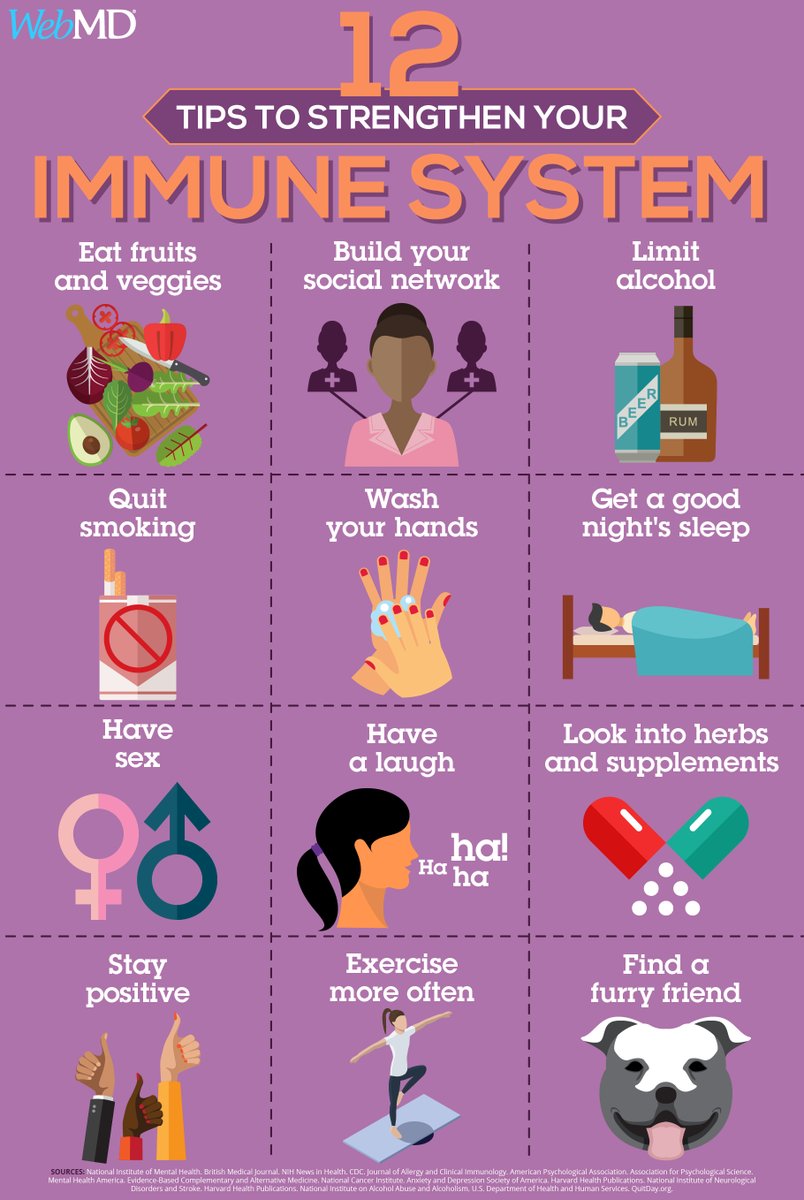
12 Tips to Strengthen Your Immune System and Stay Healthy Year-Round
Maintaining a strong immune system is essential for resisting seasonal colds, infections, and other health challenges. While genetics can play a role in immune function, lifestyle choices have a profound impact on how resilient the body is to illness. From adopting healthier eating habits to staying socially connected, there are numerous ways to give the immune system a daily boost. Here are twelve evidence-based strategies to help keep illness at bay and promote long-term wellness.
Eat More Fruits and Vegetables
Colorful fruits and vegetables are rich sources of antioxidants, which help protect the body’s cells from damage caused by free radicals. Antioxidants like vitamin C, beta-carotene, and flavonoids work at a cellular level to enhance immune responses and reduce inflammation.
Incorporating produce such as oranges, green peppers, broccoli, kiwi, strawberries, carrots, watermelon, papaya, leafy greens, and cantaloupe can be especially beneficial. Historically, populations with diets rich in fresh produce, such as Mediterranean and Okinawan communities, have exhibited lower rates of chronic disease and longer lifespans, highlighting the powerful impact of plant-based nutrition on immunity.
Build a Strong Social Network
Social connections not only support emotional wellbeing but also bolster physical health. Studies show that people with strong social ties live longer, recover faster from illness, and are less prone to chronic conditions.
Developing these connections can take many forms—joining community groups, volunteering, attending workshops, or simply investing more time into existing relationships. Regional studies in Scandinavia have demonstrated that high levels of social engagement correlate with lower rates of cardiovascular disease and improved immune health, demonstrating the link between social wellbeing and physical resilience.
Limit Alcohol Consumption
Excessive alcohol intake weakens immune defenses and increases vulnerability to infections. Frequent overconsumption can impair the activity of immune cells, leaving the body less able to fight off viruses and bacteria.
Health authorities recommend limiting alcohol to no more than two drinks per day for men and one for women. In economic terms, the healthcare costs associated with alcohol-related illnesses are substantial, with countries investing billions annually in treatment and prevention. Reducing alcohol consumption can save individuals money while safeguarding long-term health.
Quit Smoking
Smoking damages the immune system by reducing its effectiveness in fighting off pathogens and repairing damaged tissue. It also heightens the risk of respiratory infections due to decreased lung function.
Quitting smoking, though challenging, has immediate and long-term benefits. Within weeks, circulation improves, lung capacity increases, and the immune system begins to regain strength. Historical public health campaigns in countries like Australia and Canada have achieved measurable success in lowering smoking rates, significantly improving population-wide immune health.
Make Hand Washing a Habit
Regular hand washing with soap and water remains one of the most effective ways to prevent the spread of infections. By removing germs from hands before they can enter the body, individuals dramatically lower their risk of contracting illnesses like influenza and gastrointestinal infections.
The significance of hand hygiene became globally clear during health crises such as the COVID-19 pandemic, when frequent washing and sanitizing were critical in slowing transmission. Hand hygiene remains as effective today as it was in historical outbreaks of cholera and influenza.
Get Adequate Sleep
Sleep plays a vital role in immune regulation. During deep rest, the body produces infection-fighting substances like cytokines, which are essential for combating illness. Adults are advised to aim for seven to nine hours of sleep each night.
Factors that improve sleep quality include maintaining a consistent nightly routine, keeping the bedroom dark and cool, avoiding caffeine and alcohol before bedtime, and winding down with relaxing activities. Historical evidence from pre-industrial societies, where natural sleep patterns aligned with daylight hours, suggests that longer and more consistent sleep promotes stronger immune responses.
Maintain a Healthy Sex Life
Sexual activity has been linked to improved mood and enhanced immunity. Research indicates that people who engage in intimacy more frequently may have higher levels of immune-boosting substances that help defend against common colds.
While the exact mechanisms are still being studied, the positive physiological impact of intimacy appears to include reduced stress and improved cardiovascular performance—both of which indirectly support immune health. This finding aligns with broader studies on emotional wellbeing and its connection to physical resilience.
Laugh Often
Laughter triggers the release of endorphins, reduces stress hormones, and benefits immune function. Studies have shown that genuine laughter can stimulate antibodies and strengthen immune cells, improving resistance to certain infections.
Watching humorous videos, attending comedy performances, or spending time with funny friends are simple ways to integrate laughter into daily life. While its role in preventing long-term illnesses continues to be researched, there is consensus that laughter delivers immediate immune benefits.
Consider Herbs and Supplements Carefully
Some herbs and supplements—such as echinacea, elderberry, and zinc—have been studied for their potential immune-supporting properties. However, evidence varies widely, and not all products deliver scientifically verified benefits.
Healthcare professionals recommend consulting a medical provider before starting any supplement to ensure safety and avoid harmful interactions with medications. Historically, herbal remedies have played an important role in traditional medicine systems like Ayurveda and Traditional Chinese Medicine, underscoring their longstanding connection to immune health.
Stay Positive
Optimism and emotional wellbeing play a measurable role in immune function. Positive thinking can reduce stress-related immune suppression, helping the body fight off illness more efficiently.
Practices such as gratitude journaling, mindfulness meditation, and focusing on achievements instead of setbacks can help maintain a positive mindset. Regional studies in the United States have linked optimism to lower rates of inflammation and improved recovery from illness.
Exercise Regularly
Physical activity stimulates the circulation of immune cells and reduces stress, both of which contribute to stronger immunity. Aiming for 30 minutes of moderate exercise daily—such as walking, cycling, swimming, or yoga—can reduce the risk of chronic conditions like heart disease and certain cancers.
Historically, communities where physical activity is integrated into daily routines, such as rural agricultural regions, tend to have lower rates of immune-related illnesses and higher overall fitness levels.
Spend Time with Pets
Pet ownership offers emotional support and physical health benefits. Companion animals can lower blood pressure, reduce cholesterol, and diminish heart-related risks. They also encourage more active lifestyles, especially among older adults.
For children, regular exposure to pets is associated with stronger immune responses and reduced rates of allergies. This correlation has been observed in rural areas where animals are part of daily life, offering long-term protective effects against immune imbalances.
A healthy immune system is not built overnight. It requires a consistent combination of balanced nutrition, regular physical activity, sufficient rest, and strong emotional wellbeing. These twelve tips serve as a comprehensive framework for improving defenses against common illnesses and enhancing overall quality of life. Following these strategies not only benefits personal health but also reduces the burden on healthcare systems, making their adoption a wise investment at both the individual and societal level.