Uyghurs at the Crossroads: Migration Pressures and Beijing’s Global Reach
The question of who helps the Uyghurs and how help travels across borders has intensified as migrant policies tighten and political tensions shape asylum trajectories. In Xinjiang, a securitized approach to counter-terrorism and ethnic governance has produced one of the most scrutinized human-rights environments in the world. International observers describe a complex web of surveillance, forced labor concerns, and cultural suppression that has driven many Uyghurs and other minority groups to seek safety in distant lands. Yet as they reach transit countries and borderlands, the fate of those seeking refuge is increasingly tethered to shifting migration policies, bilateral diplomacy, and public opinion—factors that determine whether asylum protections are granted or whether individuals risk repatriation.
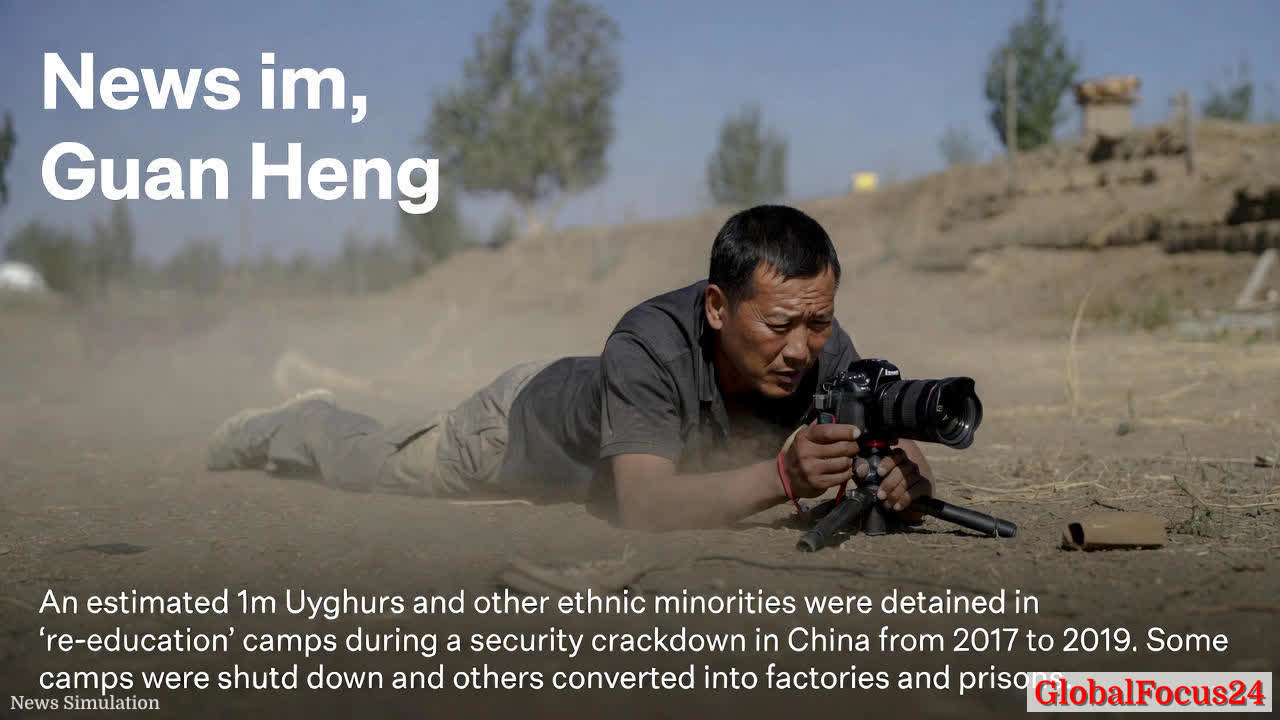
Historical context: a decade of upheaval and surveillance The Xinjiang region has long stood at the center of China’s ethnic and security policies. In the mid-2010s, authorities intensified measures aimed at preventing separatism and extremism, leading to a broad program that included heavy policing, digital surveillance, and re-education campaigns. Reports from human-rights organizations and investigative journalism indicate that an estimated large number of Uyghurs and other ethnic minorities were detained in facilities described by many observers as camps of ideological reeducation. While some facilities reportedly transitioned to manufacturing sites or other use, the underlying conditions—systematic detention, coercive labor, and restricted movement—have left deep scars on families and communities.
The personal toll of state policy is matched by a broader geopolitical narrative: as global awareness of the Xinjiang case grew, Western and some regional governments began classifying the situation as genocide or crimes against humanity. Citing evidence ranging from satellite imagery of detention facilities to survivor testimonies, these governments argued that state-led coercive measures targeted a protected ethnic group. Critics of Beijing’s policies, both inside and outside China, have pressed for sanctions, human-rights investigations, and asylum pathways for those displaced or at risk.
Migration as a central axis: asylum, flight, and the risk of return For many Uyghurs and other minorities, migration is not merely a choice but a necessity born of fear, family separation, and economic precarity. As global migration policies tighten in some regions, asylum seekers face an increasingly inconsistent landscape. Several factors influence whether individuals can move, claim asylum, or be returned:
- Legal pathways: Countries differ widely in how they assess asylum claims from individuals fleeing ethnic or political persecution. Some nations offer robust refugee protections and dedicated asylum procedures, while others rely more on expedited processing or stricter border controls.
- International cooperation: Bilateral and multilateral agreements can influence return decisions, shared security concerns, and the availability of safe channels for displacement. In some cases, international pressure or humanitarian considerations shape policy choices.
- Documentation and travel routes: Access to travel documents, visa regimes, and the risk of being stranded in transit countries affect the feasibility of seeking asylum. Documentation gaps can complicate or derail asylum applications.
- Public opinion and politics: Domestic politics—often influenced by concerns about migration, security, and integration—can shape how welcoming a country is to asylum seekers, including Uyghurs.
Regional comparisons: where protections are strongest and where risks persist
- North America and Western Europe: These regions have, in many cases, maintained asylum processes with procedural safeguards and independent adjudication. They also host significant Uyghur diaspora communities that advocate for more protective measures. However, backlogs, changing political climates, and security-focused immigration policies can slow or deny individual claims. In recent years, some Uyghur asylum seekers have found refuge in Canada, Germany, Sweden, and parts of the United States, while others face lengthy adjudication or detentions during migration proceedings.
- Asia-Pacific and neighboring transit states: Several countries in or near Central Asia and the broader region act as transit routes, sometimes with limited protections for asylum seekers. In these contexts, the risk of forcible return can be heightened if authorities label migrants as economic travelers or irregular entrants, rather than as refugees fleeing persecution.
- Middle East and North Africa: For some Uyghurs who reach these regions, asylum options may be constrained by local capacity, political alignments, and regional conflicts. International protection frameworks vary, and access to durable solutions requires navigating complex geopolitical dynamics.
- Europe’s periphery: Border controls and asylum procedures at Europe’s edges have tested the limits of asylum systems. Some cases highlight the tension between security considerations and humanitarian obligations, particularly for individuals who arrive through irregular channels or overland routes.
Economic impact: from forced labor concerns to regional labor markets The economic implications of the Xinjiang policy regime extend beyond the immediate human-rights concerns. Reports about forced or coercive labor in camps-turned-factories have raised alarms about supply chains worldwide. Global manufacturers and brands have faced scrutiny over labor practices in regions linked to Xinjiang, prompting reforms, supplier audits, and shifts in sourcing strategies. While some factories reportedly diversified supply chains or relocated production, the broader issue of labor rights and ethical sourcing continues to influence corporate decision-making, investor attention, and consumer awareness.
At the regional level, the sustained presence of displacement pressures contributes to labor-market dynamics in host countries. Refugees and asylum seekers often bring skills, entrepreneurial energy, and labor resilience that can complement local economies. Yet barriers such as language differences, credential recognition, and access to social services can slow integration and reduce the potential positive economic impact in the short term. Over time, successful integration contributes to local economies through entrepreneurship, job creation, and tax contributions, but it requires targeted support from governments, NGOs, and civil society.
Public reaction and the human story: resilience amid uncertainty Behind policy discussions lie human stories of family separations, missed milestones, and the enduring hope for safety. Communities worldwide respond with a mix of sympathy, concern about security, and a call for consistent international protection standards. Activists and advocacy groups emphasize the moral imperative of protecting those facing persecution, while host communities weigh social integration needs and resource allocation. The public mood can influence policymakers, particularly in elections or during times of heightened migration discourse, shaping how openly asylum channels are promoted or restricted.
Policy considerations for preserving humanitarian protections To balance security concerns with humanitarian obligations, policymakers can consider several targeted approaches:
- Strengthening asylum processing: Invest in independent, well-resourced adjudication processes that can assess persecution claims efficiently while ensuring due process. Clear criteria and timely decisions help prevent backlogs that undermine protection.
- Expanding safe pathways: Create and promote legal avenues for asylum, family reunification, and humanitarian visas that reduce reliance on irregular migration and reduce vulnerability to exploitation.
- Monitoring and accountability: Enhance independent monitoring of detention facilities and labor practices in regions connected to displacement. Transparent reporting and consequences for violations are essential to maintaining public trust.
- Regional cooperation: Foster dialogue among neighboring states and major destinations to harmonize protection standards, share best practices, and provide protective services for asylum seekers and refugees.
- Public communication: Provide accurate, compassionate information about asylum processes to reduce misinformation and anxiety in host communities and among potential applicants.
A forward look: what persistence and policy evolution may mean As the global migration landscape evolves, the fate of Uyghurs seeking asylum will likely hinge on a combination of policy reforms, diplomatic pressure, and sustained humanitarian commitments. The international community has opportunities to strengthen protections through multilateral engagement, targeted aid, and transparent oversight that can deter human-rights abuses while facilitating safe, legal avenues for those in need. The resilience of Uyghur communities, their families, and their advocates remains a central driver of these conversations, as does the imperative to safeguard universal rights amid a world where borders are increasingly contested.
In this moment, the challenge is not simply to document the magnitude of displacement but to translate awareness into action that supports safe passage, dignified asylum, and durable solutions for those most at risk. The broader historical arc—of migration driven by fear, of international norms evolving to protect vulnerable populations, and of nations balancing security with humanity—will continue to shape the experiences of Uyghurs as they navigate a world where arrival does not always guarantee safety. Public interest, principled diplomacy, and practical policy tools must align to ensure that those who flee oppression find refuge rather than return to danger.