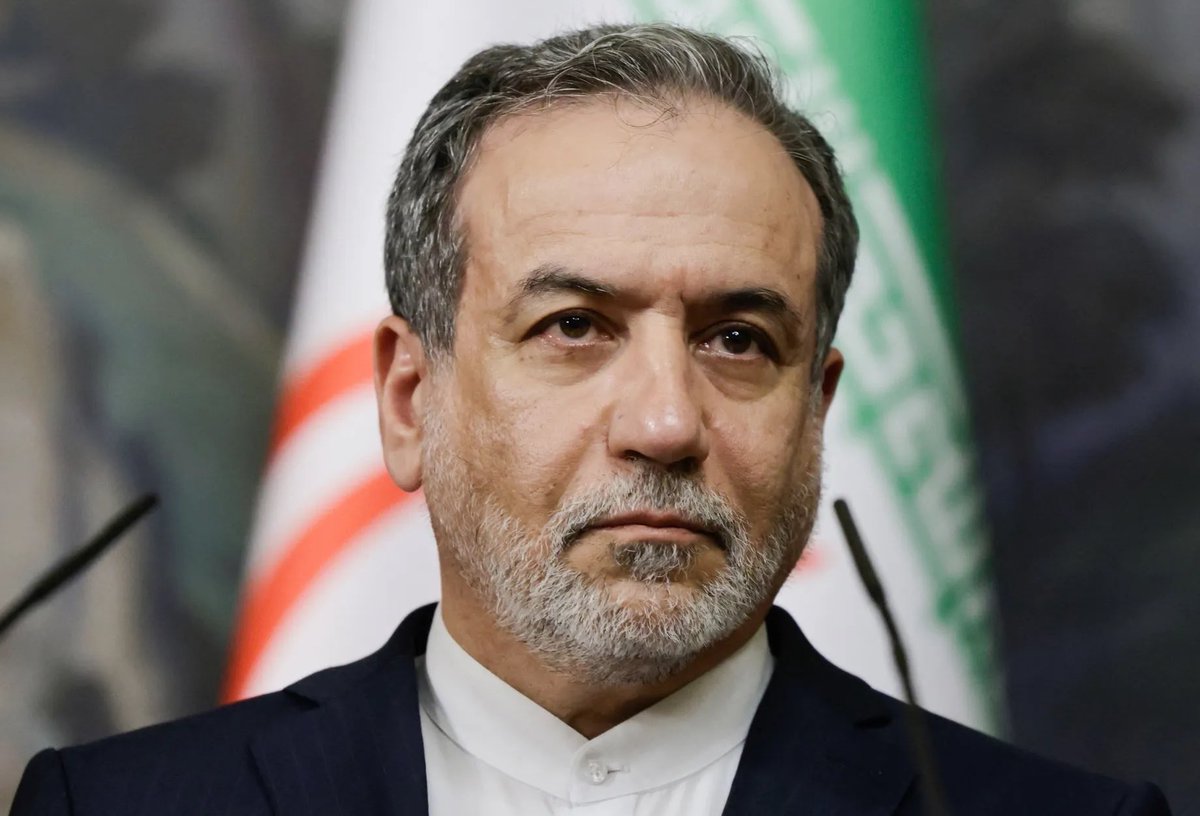
In a dramatic turn of current events that reads like a high-stakes geopolitical thriller, top officials in Washington and Tehran have reportedly engaged in prolonged, round-the-clock discussions mediated by Pakistan. The reported conversations, involving high-level lines of communication between the United States vice president and Iran’s foreign minister, have intensified attention from markets, policymakers, and observers tracking the arc of Middle East tensions, regional stabilization efforts, and the broader implications for international trade and energy markets.
Historical context and the arc of diplomacy
To understand the significance of sustained, multi-day conversations at this level, it helps to revisit the arc of U.S.–Iran relations over the past decades. The relationship has oscillated between episodes of negotiation, mutual suspicion, and episodic escalation, punctuated by key milestones such as negotiations over nuclear programs, sanctions regimes, and regional security alignments. The current engagement, if confirmed through credible reporting and official channels, would mark a notable shift toward overt, continued dialogue at the highest levels despite long-standing geopolitical fault lines.
Historically, mid-level and backchannel diplomacy have often bridged divides when public channels stall. The use of Pakistan as a mediator reflects a long-standing pattern in regional diplomacy, where neighboring states with established channels to both Washington and Tehran have provided platforms for discreet discussions. In this context, the reported all-night talks could be interpreted as a strategic effort to de-escalate potential flashpoints, align on humanitarian concerns, or lay groundwork for confidence-building measures that could facilitate broader regional cooperation.
Economic impact: markets, energy, and investor sentiment
Beyond the political theater, the ripple effects of sustained diplomacy are felt acutely in financial markets and energy pricing. During episodes of heightened geopolitical risk, investors typically seek safe havens, diversify portfolios, and monitor currency stability. The prospect of ongoing dialogue between the United States and Iran may influence market expectations for regional stability, potentially affecting commodity prices, particularly crude oil and natural gas, given Iran’s role within the broader energy landscape and the sensitivity of global energy markets to political developments in the Middle East.
Regional economic indicators offer additional context. Several economies in the broader region depend on secure energy flows, predictable policy environments, and stable security conditions to attract investment and support export-led growth. When diplomatic channels appear active, exporters and manufacturers may reassess supply chains, particularly for energy-intensive sectors. In parallel, sanctions regimes and their potential adjustments can alter the cost structure for international traders, banks, and insurers operating in or with the region.
Regional comparisons illuminate the varied impact of diplomacy on growth trajectories. In neighboring regions with active involvement in global supply chains, such as parts of Southeast Asia and Europe, readers commonly observe how geopolitical risk is priced into longer-term investment strategies. The difference in impact often hinges on how quickly formal channels translate publicly into tangible economic assurances—such as agreements on fuel shipments, payment mechanisms, or trade facilitation measures—that reduce risk premia and encourage steadier growth curves.
Public reaction and societal dimensions
Public sentiment surrounding high-stakes diplomacy in the Middle East often spans a spectrum from cautious optimism to wary skepticism. In many capitals facing the indirect effects of regional tensions, citizens and business leaders watch developments closely for signals about daily life, security, and the potential for improved travel and commerce. Community leaders and think tanks frequently weigh in on the human cost of conflict and the importance of predictable policies that support humanitarian relief, medical supply chains, and educational exchanges. The reported overnight diplomacy underscores the persistent desire among many stakeholders for durable solutions that minimize risk and stabilize neighborhoods, markets, and families across the region.
Technological and security implications
The dynamics of diplomacy in an era of rapid information flow and advanced monitoring capabilities add layers of complexity to negotiations. State actors increasingly consider cyber dimensions, advanced surveillance, and the potential for misinterpretation in public communications. In this context, careful messaging, verified communications channels, and transparency about objectives become as critical as the substantive policy outcomes themselves. For market participants, the intersection of diplomacy and technology translates into continuous assessments of risk management strategies, including hedging against potential sanctions drift, currency volatility, and supply chain disruptions.
Policy implications and potential pathways
If the ongoing conversations lead to concrete steps, several policy pathways could materialize. First, negotiated easing of specific sanctions or the creation of bespoke arrangements for humanitarian and civilian trade could reduce friction in critical sectors such as healthcare, energy, and food security. Second, confidence-building measures, including verification protocols and limited nuclear-related transparency, could pave the way for broader regional cooperation initiatives. Third, security arrangements aimed at de-escalating proxy conflicts could contribute to a more stable security environment, benefitting neighboring economies and multinational investments that have waited on the sidelines for clearer signals.
A balanced, supply-side focus prioritizes measures that enhance regional resilience. For example, mechanisms enabling safe transit of goods, reliable payment channels, and insured shipping routes can lower the cost of doing business even amid broader geopolitical tensions. In the energy sector, reliable commitments to ensure steady flows and fair pricing can dampen speculative price swings, providing a more predictable macroeconomic backdrop for manufacturing and consumer demand. While political dynamics are inherently unpredictable, crafting practical, incremental steps that deliver tangible economic benefits can help sustain momentum and reduce volatility in the near term.
Longer-term regional implications
Over the coming months, observers will assess how sustained diplomacy may recalibrate regional alignments and investment flows. A more stable security environment could catalyze infrastructure development, renewable energy projects, and cross-border trade corridors that have historically faced obstacles due to policy uncertainty. Conversely, if talks encounter headwinds or falter, markets may re-price risk, and regional growth projections could face downgrades as investors reassess risk tolerance. In either case, the negotiation dynamics will influence corporate strategies, from commodity traders and logistics firms to technology providers and financial institutions involved in sanctions-compliant operations.
Historical analogies offer useful reminders. Past periods of thawing tensions have created opportunities for incremental gains, even when broad disagreements persist. The key for policymakers is to translate dialogue into measurable improvements—such as verified freezes on certain weapons programs, guaranteed humanitarian exemptions, or agreed-upon mechanisms for monitoring and reporting—that bolster confidence among international partners. For businesses, these signals translate into more dependable planning horizons, enabling them to allocate capital toward productive projects rather than hedging against unforeseen disruptions.
Implications for global supply chains
Global supply chains continue to wrestle with the aftershocks of recent disruptions, including demand imbalances, shipping bottlenecks, and evolving security regimes. The current diplomatic developments intersect with broader supply-chain resilience efforts by potentially easing trade frictions and supporting a more predictable flow of critical goods. Industries most closely watching these developments include energy, petrochemicals, aerospace, and automotive sectors, where even modest improvements in regional stability can produce outsized effects on production schedules, inventory management, and pricing strategies.
In the transportation and logistics arena, credit availability and insurance terms often reflect geopolitical risk assessments. When diplomatic channels show signs of ongoing engagement, lenders and insurers may adjust risk appetites, gradually easing the cost of capital for projects that support regional recovery and diversification. Port throughput, shipping insurance, and cross-border payment systems could benefit from enhanced certainty, ultimately reducing the total cost of logistics for global manufacturers.
Cultural and academic exchanges as indicators of progress
Beyond the economic metrics, the possibility of enhanced dialogue also has cultural and academic implications. Exchanges in education, science, and cultural programs can serve as soft indicators of trust-building and mutual interest in long-term cooperation. These activities, while less visible than trade figures, contribute to a broader sense of normalization and common purpose that supports durable, people-centered diplomacy. In many regions, universities and research institutions are watching for signals about collaborative opportunities in fields such as energy efficiency, climate science, and public health—areas where cooperative work can yield tangible societal benefits.
Conclusion: navigating uncertainty with measured optimism
As the international community tunes into the unfolding diplomatic narrative, the balance between cautious optimism and prudent scrutiny will shape both policymakers’ and investors’ expectations. The overnight engagement between senior U.S. and Iranian officials, facilitated through regional mediators, marks a moment that could influence regional stability, economic momentum, and global trade dynamics. While concrete policy steps remain essential to translating dialogue into durable gains, the signal itself—persistent communication at the highest levels—offers an important foundation for assessment and planning in the months ahead.
In a world where markets prize predictability, the enduring question is whether this round of diplomacy can sustain momentum long enough to translate into verifiable, incremental progress. The answer will emerge through a sequence of verifiable actions: credible announcements that ease humanitarian constraints, clarify energy supply arrangements, and establish transparent channels for future negotiations. If those elements come into clearer focus, the coming quarters could witness a shift from episodic risk events to a more stable policy environment that supports steady economic growth, regional resilience, and a more predictable global energy outlook.