)
Navy SEAL Team 6 Conducts High-Stakes Operation to Rescue Ejected F-15E Pilot in Iran
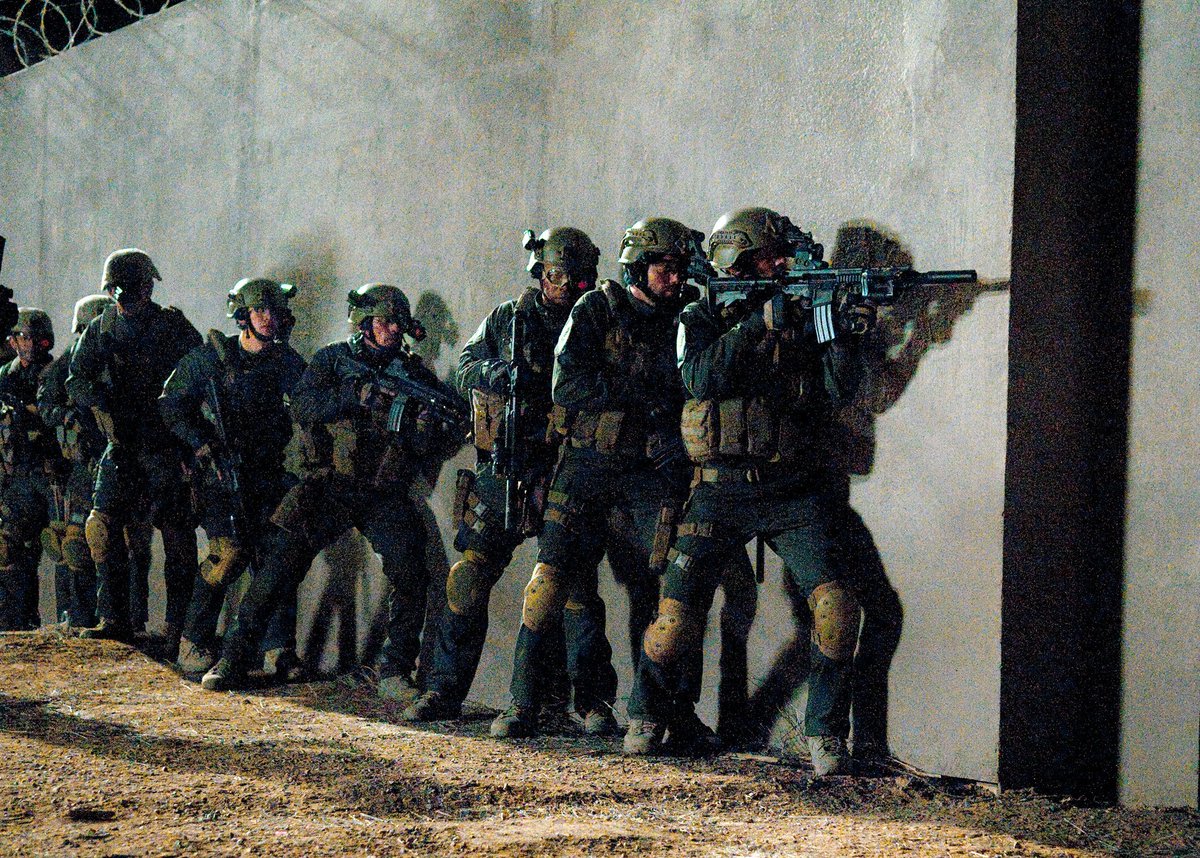
In a sweeping and highly coordinated effort, Navy SEAL Team 6 commandos conducted a mass extraction operation that secured the safety of an ejected U.S. Air Force F-15E pilot amid ongoing hostilities in Iran. Described by multiple sources as a “massive operation,” the mission pooled hundreds of special-operations personnel and military assets, marking a pivotal moment in what observers are calling the Iran War’s most consequential surface-to-air incident to date.
Context and sequence of events
Initial alarm and aircraft downing Late in the day, reports confirmed that an F-15E Strike Eagle experienced a catastrophic event resulting in the pilot ejecting over Iranian territory. The incident, occurring in the broader theater of operations that have intensified over recent weeks, prompted an immediate response from U.S. military command structures already operating under a heightened state of alert. Preliminary accounts indicate that aerial damage or in-flight system failures precipitated the emergency ejection, with the pilot descending under parachute into a contested zone.
Rapid mobilization and planning Within hours, U.S. joint commands initiated a cross-domain response that brought together air, land, sea, and intelligence assets. The operation reportedly leveraged secure aerial corridors, precise geolocation intelligence, and real-time communications with forward bases and regional partners. Command elements emphasized minimizing civilian exposure and collateral damage while executing a mission that could set a strategic tempo for the duration of the conflict.
Extraction and aftermath The extraction phase involved a multi-pronged approach: SEAL operators conducted a ground insertion near the downed pilot’s location, while supporting teams provided suppression of enemy air and ground threats, secure extraction routes, and a rapid insertion into a controlled extraction field. The pilot, whose name has not been released by official channels, was transported to a concealed medical facility for evaluation and stabilization before eventual return to allied forces for debrief and care.
Historical context: heightened risk in a volatile region
The operation evokes a long arc of U.S. military engagement in the Middle East, where counter-terrorism, air superiority, and special-operations doctrine have frequently intersected with regional political dynamics. Since the 1990s, special-operations forces have been deployed in complex environments that demand rapid adaptation, cultural awareness, and uncompromising discipline. The latest mission underscores a continuing pattern: in high-stakes theaters, elite teams—trained to operate in the most challenging terrain—remain a core element of U.S. strategic leverage.
Economic implications for a regionalized conflict
A ground operation of this scale reverberates beyond the immediate combat zone, with measurable implications for regional stability and economic outlook. Key channels include:
- Military expenditure and supply chains: Sustained demand for munitions, aircraft parts, surveillance systems, and field-resupply logistics can influence procurement cycles within defense industries, with procurement pipelines shifting to expedite urgent needs.
- Energy markets and risk premia: Heightened military activity in geopolitically sensitive regions frequently translates to volatility in energy prices, particularly for crude and refined products, as traders price in disruption scenarios and transportation risk.
- Trade resilience and insurance costs: Heightened risk profiles affect shipping routes and insurance premia for international commerce traversing sensitive corridors, prompting caution among multinational firms that rely on regional connectivity.
- Investment sentiment: The prospect of longer-duration conflict underpins conservative investment behavior in frontier markets adjacent to the region, while defense-sector equities may experience outsized reactions to operational developments.
Regional comparisons and lessons learned
While the current operation centers on Iran, parallel actions in other theaters have demonstrated the effectiveness—and the limits—of elite-ground insertions. In comparable high-threat environments, the success of a rescue or extraction mission often hinges on the following elements:
- Intelligence fidelity: Real-time, actionable intelligence enables timed entry and reduces exposure to hostile forces.
- Interagency coordination: Seamless integration among military branches, intelligence agencies, and allied partners increases operational success and minimizes civilian risk.
- Local geography and terrain: The rugged topography of Iran’s border regions presents both concealment opportunities and logistical hurdles, shaping tactic choices and risk calculations.
- Public perception and information management: Operational transparency, within the bounds of security, helps manage public reaction and discourages misinformation that could destabilize regional sentiment.
Public reaction and humanitarian considerations
Communities in the wider region, including civilian populations adjacent to the operational zone, are closely watching the unfolding events. In many cases, emergency responders, medical teams, and humanitarian bodies monitor for potential spillover effects—evacuation needs, displacement concerns, and civilian infrastructure disruption. While the core objective of the mission was military rescue, the ethical imperative to minimize civilian harm remains central in all formal assessments and subsequent accountability reviews.
Operational realism and strategic calculus
Defense analysts often emphasize that the use of highly capable special-operations units signals a readiness to undertake difficult missions under extreme risk. The success of a pilot rescue can have a multiplier effect on morale within the armed forces and can influence proportional deterrence by signaling readiness to intervene decisively when personnel are in danger. Yet, such operations also entail significant risk, including potential retaliation, escalation of hostilities, and the possibility of collateral damage. The balancing act—protecting personnel while avoiding broad regional destabilization—continues to shape military planners’ calculations.
Technological and tactical highlights
The operation reportedly leveraged a suite of advanced capabilities that have become hallmarks of modern high-risk missions:
- Precision insertion techniques: Small-unit deployments in contested airspace or land corridors require careful timing and stealth to reduce exposure to hostile sensors and defenses.
- Real-time ISR integration: Intelligence, surveillance, and reconnaissance assets maintain a live picture of the target area, enabling adaptive decision-making in dynamic environments.
- Comprehensive comms architecture: Secure, jam-resistant communications ensure command-and-control remains intact even under electronic warfare conditions.
- Medical continuity of care: Immediate medical evacuation and continuity-of-care protocols are crucial, preserving the pilot’s health and readiness for debrief.
Looking ahead: potential trajectories and cautions
The immediate priority for U.S. and allied forces is assessment of operational outcomes, verification of the pilot’s condition, and debriefings that translate field experience into improved doctrine and readiness. policymakers may weigh:
- Diplomatic channels: In the wake of a high-profile rescue, efforts to stabilize channels for de-escalation could intensify, with back-channel diplomacy applying pressure to reduce miscalculations that might trigger broader conflict.
- Force posture adjustments: The operation’s visibility could prompt reassessments of force readiness, basing, and rapid-response reserves across regional theaters.
- Public communication: Balancing transparency with operational security will shape how information is released to the public and international community, affecting credibility and trust.
Historical parallels and the broader war effort
Historically, successful personnel recoveries have served as turning points in asymmetric and conventional warfare alike. In many cases, they demonstrate the resolve of a nation to locate and recover its personnel even under daunting odds. The Iran scenario echoes past episodes where special-operations teams executed high-risk insertions to recover isolated forces or downed aircrew, reinforcing the notion that the safety of personnel can drive both tactical decisions and strategic signaling.
Economic resilience and infrastructure continuity
Beyond the battlefield, the broader economy bears the imprint of sustained conflict. Insurance markets, commodity pricing, and supply-chain resilience all respond to ongoing instability. Businesses with regional exposure must monitor developments and adjust risk-management strategies. Diversifying suppliers, conducting scenario planning for supply interruptions, and maintaining robust contingency plans help organizations withstand volatility that often accompanies geopolitical tensions.
A note on information integrity
In fast-moving conflicts, information can be fragmented or subject to competing narratives. Reputable, corroborated reporting remains essential for understanding the full scope of operations. Analysts and the public should distinguish between confirmed facts and preliminary or unverified claims as the situation evolves.
Conclusion: a strategic moment shaped by daring and precision
The successful extraction of the ejected F-15E pilot represents a remarkable convergence of advanced military capability, meticulous planning, and audacious execution. While the operational details remain tightly controlled, the mission signals a clear message: elite forces are prepared to undertake high-risk maneuvers to recover personnel and uphold commitments to service members. The broader implications for regional stability, economic sentiment, and strategic calculations will unfold in the days and weeks ahead as governments, markets, and communities absorb the consequences of this high-stakes action.