Israeli Strikes Target Key Iranian Gas Field as Trump Calls for Halt to Escalation
Rising Tensions Over Energy Infrastructure in the Middle East
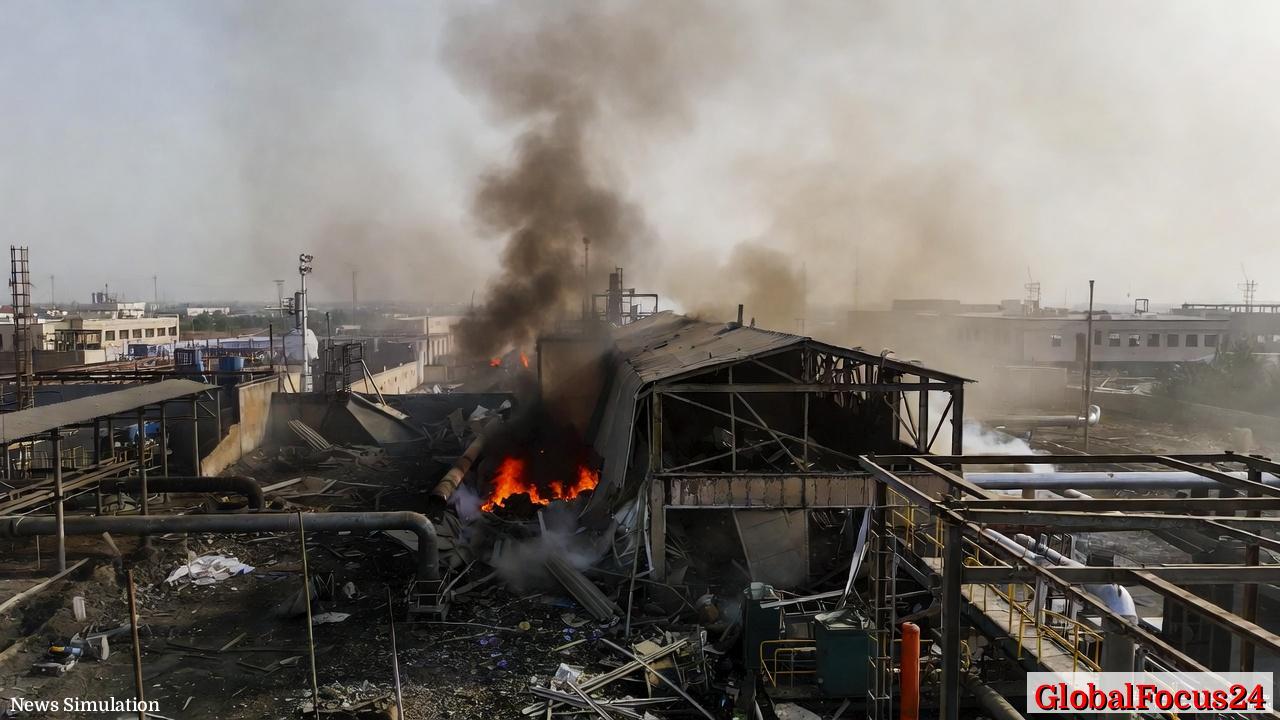
An Israeli airstrike early Wednesday targeted a major Iranian gas field, raising fears of a broader conflict that could disrupt global energy supplies. The attack, which occurred in the southwestern province of Khuzestan, reportedly caused significant damage to production sites feeding one of Iran’s main natural gas processing plants. Emergency crews were deployed to contain fires sparked by the explosions, and authorities have temporarily suspended operations across several facilities in the region.
The strikes mark one of the most direct attacks on Iran’s energy infrastructure in years. They come as tensions between Israel and Iran continue to escalate amid a series of tit-for-tat operations across the Middle East. The event has drawn widespread international attention, particularly given its potential consequences for global oil and gas markets already under strain from ongoing supply disruptions.
U.S. Response and Trump's Call for Restraint
Former U.S. President Donald Trump issued a public statement calling for an immediate halt to any further attacks on Iranian energy installations. Speaking from his Florida residence, Trump warned that continued assaults could trigger “uncontrollable consequences for the global economy” and urged all regional actors to “exercise maximum restraint.”
While Trump’s comments underscored the global stakes of the escalation, analysts note that the strikes also test Washington’s current influence over regional dynamics. The United States has maintained a complex stance toward both Israel’s security operations and Iran’s expanding energy sector. Trump’s intervention suggests broader concerns that energy-targeted attacks could intensify instability and drive fuel prices upward at a sensitive time for the world economy.
The Gas Field at the Center of the Conflict
The targeted site—identified by Iranian sources as part of the Kharg-Shazand network—supplies a substantial portion of natural gas to domestic power plants and export facilities along the Persian Gulf. The zone is strategically vital, not only as an energy hub but also as a symbol of Iran’s efforts to expand economic independence through oil and gas development.
According to regional energy officials, preliminary assessments suggest that production capacity could fall by up to 20% in the coming weeks if repairs and supply rerouting fail to stabilize the network. Iranian authorities have condemned the strike as an “act of aggression” and vowed a “measured but firm response.” No official comment has yet emerged from the Israeli government, which traditionally maintains ambiguity around its military actions abroad.
Historical Context of Energy-Related Strikes
Attacks on energy infrastructure have long been used as strategic tools in Middle Eastern conflicts. During the Iran-Iraq War of the 1980s, both nations repeatedly targeted oil facilities to cripple each other’s export capacities. More recently, strikes on Saudi Arabia’s Abqaiq refinery in 2019—attributed to Iranian-backed forces—temporarily reduced global oil production by nearly 5%.
Israel’s latest operation stands out for its timing and focus on natural gas rather than oil. Iran has invested heavily in gas-based projects as part of its diversification strategy, seeking to reduce dependence on crude oil and increase exports to Asian and European partners. Damage to these facilities could therefore undermine one of Tehran’s most promising economic buffers amid ongoing sanctions and international isolation.
Economic Impact and Global Market Reactions
News of the attack sent tremors through global energy markets. Futures for Brent crude rose by 3% within hours of the initial reports, while natural gas benchmarks in Europe and Asia surged over 5% in midday trading. Traders cited concerns that any retaliation by Iran could target vital shipping routes in the Strait of Hormuz, through which nearly a fifth of the world’s oil supply passes.
Economists warn that sustained escalation could have ripple effects beyond the energy sector. Higher fuel prices translate into elevated transportation and manufacturing costs, tightening inflationary pressures that many nations have only recently begun to control. Financial analysts also noted a temporary rise in gold prices and a drop in equity markets across the Middle East, reflecting a flight to safety amid the uncertainty.
Regional Comparisons and Energy Vulnerability
The Iranian gas strike highlights the region’s enduring vulnerability to infrastructure attacks. Neighboring Iraq and Syria have similarly faced repeated disruptions to energy operations from militant groups and rival states. In comparison, Gulf nations such as the United Arab Emirates and Saudi Arabia have invested heavily in advanced air defense systems to shield their refineries and export terminals—a strategy experts say Iran may now seek to emulate.
Several defense analysts pointed out that Israel’s choice of target was likely influenced by proximity and symbolic importance. Khuzestan hosts not only energy assets but also Iran’s largest ethnic Arab minority, a population that has historically experienced tension with the central government. Some observers believe this context may have factored into Israel’s broader effort to pressure Tehran’s leadership both economically and politically, though confirmation remains elusive.
Diplomatic Efforts and International Reactions
Reactions from world capitals were swift and varied. The European Union called for “urgent de-escalation,” while Russia condemned what it described as “dangerous provocations endangering global stability.” China, a major purchaser of Iranian energy, urged restraint and emphasized the importance of protecting critical energy supply chains.
Several Gulf states cautiously expressed concern over the implications for regional energy security. In Riyadh, Saudi officials emphasized their commitment to stability in oil markets and urged all parties to avoid actions that could imperil shipping or exports. Energy ministries across the region have convened emergency meetings to assess vulnerabilities and coordinate risk management.
Iran’s Response and Internal Measures
Within Iran, officials moved quickly to reassure the public that energy supplies would remain stable despite the strike. The Ministry of Petroleum reported the immediate activation of contingency plans involving alternate fields and reserve stockpiles. Government media outlets broadcast images of firefighters and engineers working around the clock to contain damage and secure key installations.
National Guard units reportedly deployed additional missile defenses around major refineries in Bushehr and Asalouyeh, reflecting heightened alert levels nationwide. Social media accounts inside Iran showed mixed reactions—some expressing defiance and others anxiety over the prospect of retaliation triggering wider war.
Broader Implications for Energy Security
The incident underscores the fragility of international energy supply chains at a time when many nations are already navigating transitions toward renewable sources. Experts note that, despite global pushes for diversification, fossil fuels remain the foundation of industrial economies—and thus particularly exposed to conflict-driven disruptions.
Energy analysts warn that if similar attacks recur, insurance costs for shipping through the Persian Gulf could rise sharply, adding indirect pressure on global prices. The unfolding situation could also influence long-term energy investment patterns, with companies seeking safer regions or accelerating offshore drilling projects beyond Middle Eastern zones of conflict.
Outlook: A Region on Edge
While no immediate follow-up strikes have been confirmed, regional intelligence sources report that both Israeli and Iranian forces remain on elevated readiness. Maritime monitoring agencies have detected unusual naval movements near the Strait of Hormuz, prompting renewed fears of retaliatory action. Diplomats describe backchannel efforts to open communication lines between intermediaries in Oman and Qatar aimed at preventing further escalation.
The coming days may prove critical for determining whether the crisis deepens or recedes. Historical precedent suggests that energy-related attacks, if left unchecked, can spiral into prolonged cycles of retaliation. Yet, a coordinated diplomatic response—particularly involving major powers with economic stakes in Middle Eastern stability—could help de-escalate tensions before they reach irreversible levels.
For now, global observers remain watchful as the Middle East’s most volatile rivalry once again intersects with the lifeblood of the world economy: energy production. The Israeli strike on Iran’s gas infrastructure has not only reignited military concerns but also reminded markets of how swiftly conflict in this region can send shockwaves far beyond its borders.