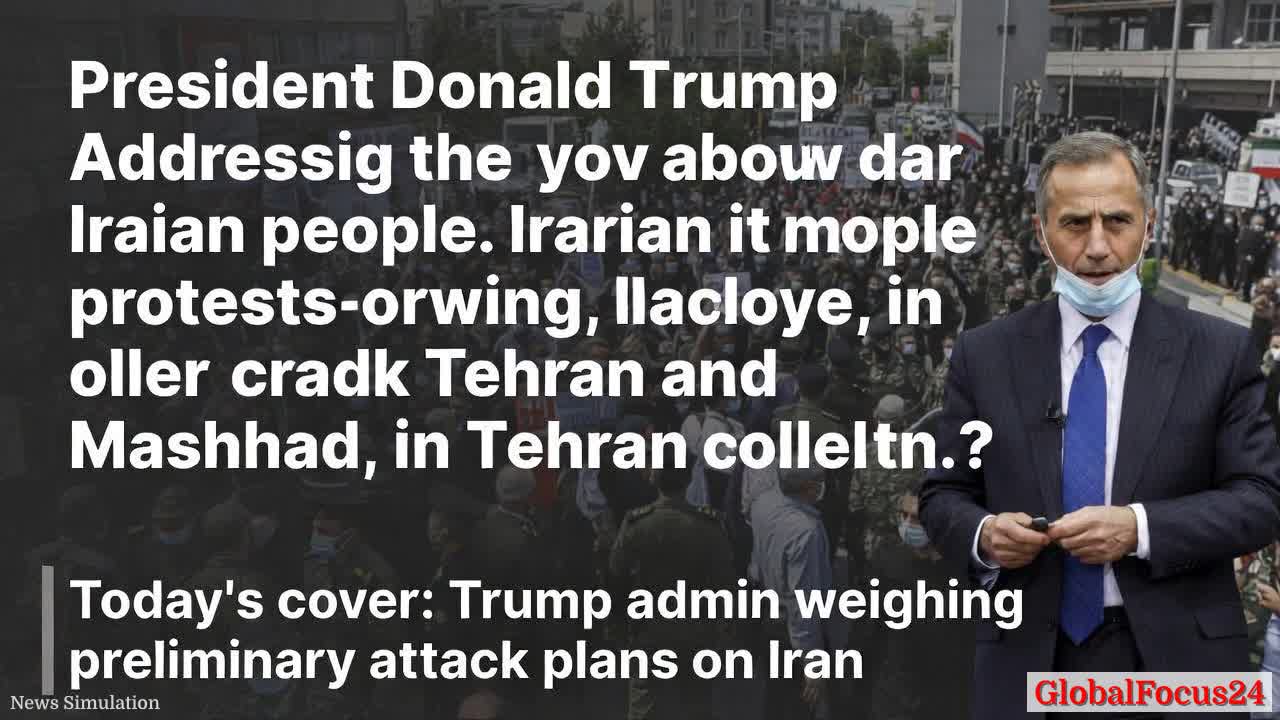
Iranian Protests Intensify as U.S. Appeals for Freedom Amid Security Tensions
A wave of protests sweeping major Iranian cities has entered a critical phase, drawing international attention to the country’s enduring demand for political reform and greater civil liberties. The demonstrations, which began as expressions of dissent over governance and social restrictions, have evolved into a complex confrontation involving security forces, civic groups, and international actors. As clashes persist and casualties mount, observers are watching how the protests will shape Iran’s internal politics, regional dynamics, and global economic implications.
Historical context anchors today’s moment. Iran’s modern history is punctuated by cycles of public mobilization paired with hard-line responses. The 2009 Green Movement first revealed the scale at which ordinary citizens could mobilize in urban centers, while later episodes in 2017 and 2019 highlighted the persistent tension between calls for reform and entrenched political structures. The current protests echo these patterns, underscoring a long-standing desire among segments of the population for greater political participation, accountability, and transparency. Analysts note that such movements often gain momentum from a combination of domestic grievances—economic pressures, limited media freedom, and perceived inequities in public services—and external events that draw broad sympathy from international audiences.
Economic context is inseparable from the unrest. Iran’s economy has faced sustained challenges for years, including sanctions regimes, currency volatility, and inflationary pressures that have eroded household purchasing power. These macroeconomic headwinds, coupled with limited access to international finance and technology, have amplified public dissatisfaction in urban centers where the cost of living is most acute. Protests frequently intersect with economic grievances: price shocks, job insecurity, and the uneven distribution of public subsidies can quickly become flashpoints that mobilize large groups of ordinary citizens. In this environment, demonstrations carry a dual significance: they are not only political statements but also expressions of economic distress that policy makers must address to stabilize the social contract.
Regionally, the protests resonate beyond Iran’s borders. Iran’s neighbors—nations with shared borders, similar security concerns, and interconnected trade networks—watch closely for signs of broader upheaval or reform momentum that could alter energy markets, migration patterns, and regional alliances. For energy-reliant economies, shifts in Iran’s stability can influence global markets, given the country’s strategic location along crucial transit routes for oil and gas. At the same time, regional powers weigh the implications for diplomatic ties, sanctions regimes, and multilateral security arrangements. While some actors emphasize the importance of a calibrated, non-escalatory approach, the volatility surrounding demonstrations raises questions about how to balance internal Iranian dynamics with wider regional stability.
Economic impact of the current situation extends to both Iran and trading partners. Sanctions have long been a defining feature of the Iranian economy, shaping access to technology, finance, and international markets. When protests intensify, investor sentiment can worsen, and risk premiums rise for regional markets with exposure to Iranian trade. Conversely, sustained, peaceful demonstrations can signal a path to reform that, if coupled with economic stabilization measures, may gradually restore confidence among foreign investors and international lenders. Analysts caution that any abrupt escalation or military intervention would carry significant consequences for global energy prices, supply chains, and regional security costs. In this sense, the unfolding events act as a crucible, testing both domestic policy responses and international readiness to support a constructive transition.
Media coverage and public perception play a crucial role in shaping the trajectory of the protests. Social media, independent reporting, and foreign media commentary have amplified the visibility of demonstrations, broadcasting human stories from the street and providing real-time snapshots of police actions, crowd dynamics, and civilian resilience. Public reaction within Iran is varied. Some segments express solidarity with reformist aspirations, while others emphasize national sovereignty and stability. Outside Iran, observers debate the strategies most conducive to progress: whether sustained, peaceful advocacy, targeted diplomatic engagement, or other approaches will best promote reform while minimizing harm. The balance between international support for civil liberties and respect for national sovereignty remains a delicate and evolving topic.
Security considerations remain at the forefront of the narrative. Governments in the region and beyond are monitoring how Iranian authorities respond to protests, with attention to the proportionality and transparency of law enforcement actions. Incidents of violence, whether stemming from security forces or protest clashes, can quickly shift international attention and complicate diplomatic channels. In such climates, credible, verifiable information becomes essential for policymakers, investors, and the public to form an accurate understanding of events and to gauge the potential for peaceful resolution or escalation. The objective for observers is to distinguish between legitimate expressions of dissent and any actions that could undermine public safety or human rights norms, while also recognizing the sovereignty of a nation to determine its own governance path.
On the diplomatic front, international actors are urging restraint and emphasizing the protection of civil liberties. Human rights organizations have called for accountability and proportional responses to protests, while financial institutions and multinational corporations weigh the implications for ongoing trade and investment in the region. The complexity of these considerations reflects a broader global interest in stability, economic resilience, and the preservation of humanitarian norms. Analysts expect continued dialogue among regional partners, international bodies, and domestic leadership as parties explore avenues for reform that reduce tensions, open channels for constructive criticism, and promote economic recovery.
Looking ahead, the trajectory of Iran’s protests will likely hinge on a combination of domestic policy responsiveness, international diplomacy, and the broader economic climate. Policy makers at home face a challenging balance: addressing immediate popular concerns without destabilizing the political framework, while external actors seek to support peaceful reform without inadvertently amplifying conflict. The coming weeks will reveal whether political concessions, governance reforms, or renewed economic stabilization measures can quell unrest while preserving the social fabric of the country. In regions with shared interests and dependencies, the ripple effects will be felt in energy markets, trade flows, and security arrangements across the broader Middle East.
Public sentiment continues to influence the tempo of demonstrations. Many protesters express a enduring desire for political participation, rule of law, and greater transparency in government processes. Others emphasize themes of national solidarity and social order, underscoring the diversity of viewpoints within Iranian society. The ability of civic groups to mobilize and sustain momentum will be a telling indicator of the protests’ longevity and potential to catalyze lasting reform. Observers suggest that consistent, non-violent messaging and clear demands are more likely to win broad public backing and reduce the risk of quick policy reversals that can undermine credibility.
In sum, the current wave of protests in Iran represents a pivotal moment with far-reaching implications. The convergence of historical grievances, economic pressures, regional dynamics, and international interest creates a complex landscape that demands careful, informed analysis. As the situation evolves, observers, policymakers, and the Iranian public will be closely watching for signs of constructive dialogue, economic stabilization measures, and steps toward greater political participation. The path forward remains uncertain, but the commitment to civil liberties and the pursuit of a more open political process continues to shape the national discourse and the region’s broader strategic calculus.