Trump Administration Expands H-2B Visa Program After Industry Push
A Sudden Policy Turnaround
President Donald Trump has authorized a significant expansion in the number of H-2B visas for seasonal foreign guest workers, approving a total of 64,716 new visas for fiscal year 2026. The move—more than a 30,000 increase from initial projections—followed direct lobbying efforts from industry figures connected to Trump’s own hospitality ventures.
The change marks a sharp reversal from an earlier administration announcement that it would limit visa numbers to around 35,000, citing concerns about labor competition and immigration enforcement. Now, facing mounting pressure from tourism and hospitality employers preparing for peak seasons, the government has opted for the maximum allowed by law.
The Lobbying Effort Behind the Decision
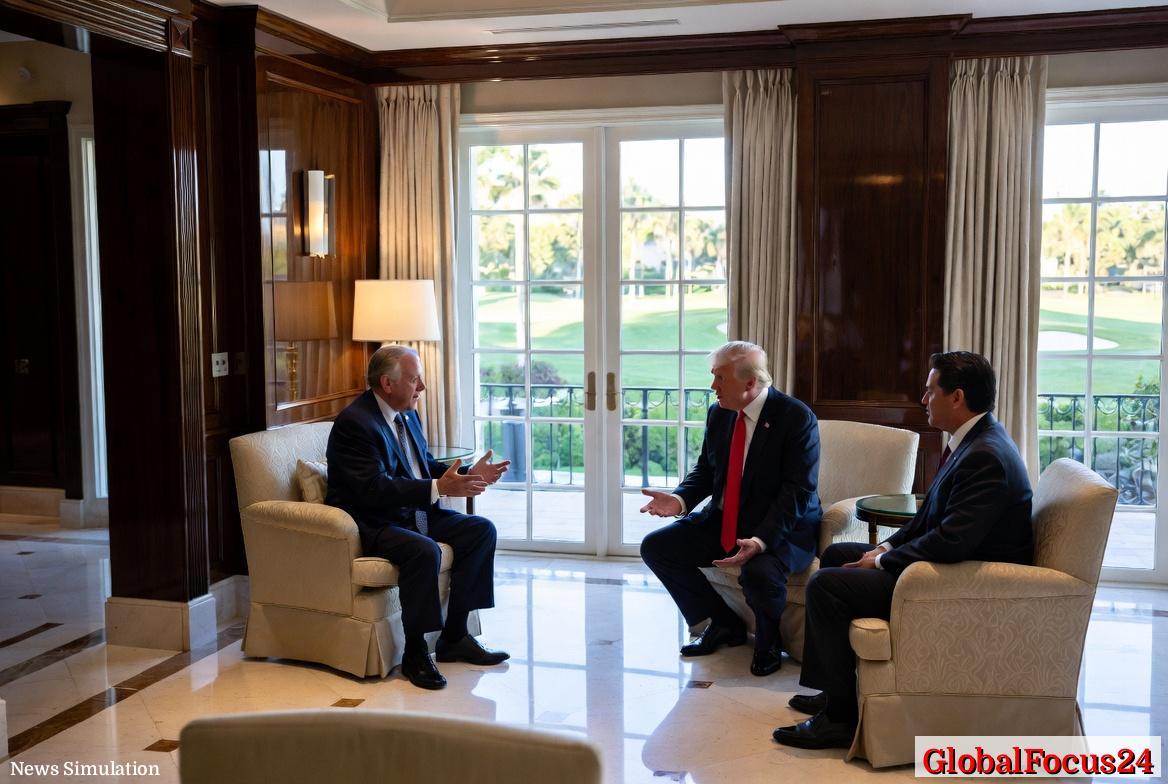
The pivot followed a quiet but influential meeting at a Trump-branded golf club in Palm Beach, Florida, earlier this year. According to accounts from attendees, Bernd Lembcke, the longtime Mar-a-Lago manager who recently retired after three decades overseeing Trump properties, joined Peter Petrina—a Mar-a-Lago member and leader of the Seasonal Employment Alliance—to personally press the case for expanded visa allocations.
Adrian Tudor, a manager at Trump International Golf Club in West Palm Beach, helped arrange the conversation, which sources described as focused and cordial. The meeting sought to highlight acute labor shortages in coastal resorts and golf clubs across Florida ahead of the bustling winter tourist surge. Just weeks after the exchange, the administration announced the full restoration of the higher visa ceiling.
Economic Drivers in Hospitality and Tourism
For years, resort towns, restaurants, and landscaping firms dependent on seasonal work have relied heavily on H-2B workers to fill critical positions that attract few domestic applicants. Jobs under this category include cooks, housekeepers, servers, bellmen, and maintenance staff—the essential workforce behind the service infrastructure that drives regional tourism economies.
Florida, where tourism accounts for nearly 10% of state employment, faces intensifying labor shortages tied to declining local participation in temporary positions. The expansion of H-2B visas thus offers relief not only to resort owners but also to related sectors such as food distribution and transportation. Employers note that without the temporary foreign workforce, operations risk downsizing during high-demand months that sustain local economies.
Tensions Between Immigration Policy and Labor Needs
The H-2B program has long represented a paradox in U.S. immigration policy. While it supports domestic business growth, it also challenges the administration's broader mandate of tightening immigration standards. Stephen Miller, Trump’s senior immigration adviser, has repeatedly advocated curbing visa allocations, arguing that extra foreign labor depresses wages for American workers.
Yet other officials—most prominently Labor Secretary Lori Chavez-DeRemer—have taken a more pragmatic stance, emphasizing the role of guest workers in maintaining economic momentum. This internal divide illustrates a broader tension within the administration: balancing nationalism-inspired labor protection policies with the economic realities of a service-driven market.
Regional Comparisons and Broader Implications
The H-2B debate has played out differently across U.S. regions. In coastal Maryland, where crab-picking operations anchor local livelihoods, Rep. Andy Harris championed the cause for visa expansion, pointing to decades-long reliance on foreign workers for seafood processing. Similar pressures resonate in Maine’s summer resorts, the Carolinas’ golf industry, and Alaska’s fisheries season. Each region faces unique demographic and labor dynamics that make short-term foreign labor essential.
In contrast, agricultural regions dependent on H-2A visas for farmworkers have largely avoided the same volatility, as their system operates under separate regulatory quotas. That distinction has underscored disparities between sectors—hospitality and non-agricultural employers argue their programs deserve consistent levels of support rather than shifting ceilings that create uncertainty.
Historical Context of the H-2B Program
The H-2B visa category traces back to the Immigration and Nationality Act of 1952, later refined under the Immigration Reform and Control Act of 1986, which aimed to provide U.S. businesses with a reliable pool of temporary workers for jobs that Americans historically were reluctant to fill. Over recent decades, Congress has periodically expanded or capped visa numbers in response to domestic employment trends.
Under previous administrations, visa limits fluctuated modestly, though the Trump presidency introduced wider swings tied to policy debates over immigration and wage protection. Trump’s own companies have frequently participated in the program—public job listings have shown recurring requests for H-2B workers at properties such as Mar-a-Lago and Trump National Golf Club Bedminster, among others.
This history has led to scrutiny of potential conflicts between the president’s dual role as policymaker and private employer. However, industry representatives argue that the president’s firsthand exposure to hospitality management provides valuable insight into the labor realities they face.
Business Community Reaction
The response from the hospitality and construction sectors has been broadly positive. The Seasonal Employment Alliance, representing thousands of resort and tourism employers, issued statements praising the administration’s “recognition of economic necessity.” Coastal restaurant owners and landscaping firms have echoed that sentiment, noting that the expanded visa allotment stabilizes employment planning for the coming months.
Workers’ advocates, meanwhile, have urged stronger oversight to ensure fair treatment and wage compliance for foreign laborers. Reports from prior years have highlighted cases where seasonal employees faced limited mobility or underpayment. Federal labor enforcement agencies have pledged more audits and field inspections as visa numbers rise, prioritizing ethical standards in recruitment.
Balancing Enforcement With Economic Growth
White House officials framed the expansion as complementary to the administration’s crackdown on illegal immigration, describing it as a strategic effort to replace unauthorized employment with lawful, temporary labor programs. A spokesperson emphasized that by tightening enforcement against undocumented work, the administration had removed over one million individuals from employment rolls, thereby opening opportunities for regulated foreign labor under the H-2B framework.
In economic terms, the recalibration aligns with the administration’s broader narrative of controlling immigration while sustaining a high-growth, low-unemployment economy. Analysts estimate that seasonal visa holders contribute billions of dollars annually to sectors that depend on timing-sensitive labor, particularly tourism. The ripple effects extend into local tax bases and small-business profitability in resort destinations nationwide.
Economic Forecast and Public Outlook
Economists expect the expanded visa count to ease wage inflation pressures in leisure and construction industries that have struggled to attract domestic workers. However, they warn of volatility if future policy shifts again reduce supply, since employers typically base staffing and booking projections on multi-year expectations of labor availability.
Public reaction has been mixed. Supporters of the decision cite practical necessity over politics, arguing that seasonal visas sustain the economic vitality of towns that would otherwise suffer worker shortages. Critics contend that the move undercuts promises to prioritize American labor, though polls in tourism-heavy states show majority support for seasonal labor programs as essential to local business continuity.
Looking Ahead
As preparations ramp up for the summer hiring season, recruiters and property managers across the country are moving quickly to process applications under the newly expanded quota. While federal agencies face logistical challenges handling the surge, the increased allotment has provided breathing room for employers planning events, renovations, and resort openings.
The expansion of H-2B visas stands as one of the few instances where the Trump Administration has opted to broaden an immigration channel rather than restrict it. Whether this signals a lasting shift in policy—or simply a temporary concession to economic pragmatism—remains to be seen. For now, the decision underscores the enduring influence of America’s seasonal economy, and the complicated balance between protecting domestic employment and ensuring the nation’s industries can thrive when demand peaks.