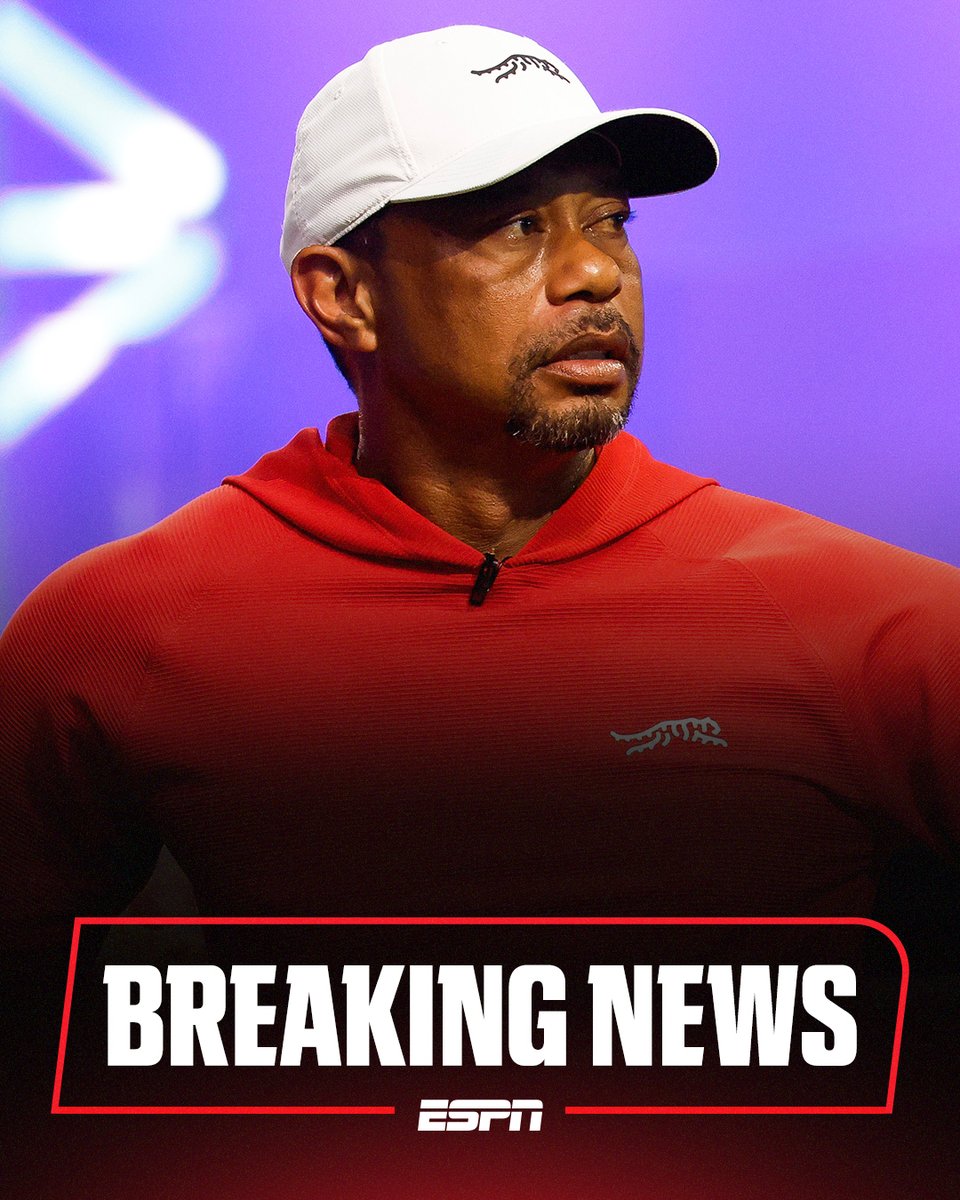
Tiger Woods announces hiatus from golf to pursue treatment and health focus
In a high-profile disclosure that rippled through the sports world, Tiger Woods announced on Tuesday that he is stepping away from competitive golf to seek treatment and devote attention to his health. The once-in-a-generation athlete said the decision is rooted in a commitment to his well-being, signaling a significant shift after a career defined by dramatic comebacks, record-setting victories, and a relentless pursuit of excellence.
Historical context: a legacy built on resilience and evolution Tiger Woods burst onto the professional golf scene in the late 1990s with a combination of prodigious talent and a fearless approach that redefined the sport. His rapid ascent, punctuated by a record-tying major tally and a string of tournament wins, helped push golf into a broader cultural consciousness. Woods’ influence extended beyond the fairways, contributing to increased sponsorship investments, faster television ratings, and a surge in youth participation. His career has been marked by dramatic comebacks from injuries and personal challenges, turning him into a symbol of perseverance for fans worldwide.
The decision to pause competition comes at a time when the golf calendar features a dense schedule of majors, world tours, and relentless media scrutiny. Woods has long been a focal point of attention for fans and analysts alike, with his presence on the course often elevating the profile of tournaments, broadcasters, and sponsors. The announcement, while personal in nature, also carries implications for the ecosystem surrounding professional golf—from sponsorship pipelines to fan engagement dynamics and broadcast strategies.
Economic impact: sponsorships, partnerships, and market reverberations Tiger Woods has historically been a magnet for corporate sponsorships, with his image and performance generating substantial commercial value. The news of his hiatus creates a ripple effect across the sports marketing landscape. Brands that align with Woods have to recalibrate campaigns, risk exposure in the event of health-related developments, and reassess long-term activation plans. For tournament organizers, Woods’ absence could influence ticket demand and media ratings, especially for marquee events where his participation has been a draw for broader audiences.
From a regional economic perspective, Woods’ impact has extended to golf-friendly markets across the United States and internationally. Regions that invested in golf infrastructure, training facilities, and youth programs often highlighted Woods’ success as a catalyst for local engagement and tourism. The current pause could influence upcoming development cycles tied to golf events, sponsorship solicitations, and local business activity around tournament venues. Yet, the sport’s resilience is notable: golf communities have historically adapted by highlighting emerging talent, optimizing broadcasting schedules, and leveraging digital media to sustain interest during periods of pause by star athletes.
Regional comparisons: how golf markets differ in responding to star-player pauses Across North America, the golf industry demonstrates varied sensitivity to changes in star player participation. In major markets with entrenched golf tourism, such as traditional strongholds in California and Florida, fan enthusiasm tends to persist due to deep historical engagement, aging demographics, and a robust ecosystem of clubs, courses, and academies. These markets often absorb temporary shifts, channeling attention toward youth development programs and regional tournaments that emphasize skill-building and accessible pathways into the sport.
European circuits offer a different dynamic. Here, the sport benefits from a mix of private clubs, national associations, and a tradition of multi-country events. A high-profile pause by a global figure can shift broadcast strategies and accelerate the promotion of regional events designed to maintain visibility and sponsorship continuity. In Asia and the Middle East, where investment in golf facilities and events has surged over the past decade, the absence of a marquee player can affect regional ratings but is often mitigated by ongoing infrastructure development and rising local talents who capture public imagination.
Within this context, Woods’ announcement serves as a reminder of the interconnected nature of sports, media, and local economies. It underscores how a single athlete can influence a wide array of stakeholders—from course operators and equipment suppliers to golf academies and tourism agencies. In response, industry observers expect a rebound in youth participation rates and renewed focus on comprehensive health and wellness programs within professional sports organizations, as teams, leagues, and clubs evaluate how best to support athletes through comprehensive care, rehabilitation options, and flexible competition schedules.
Health and treatment: prioritizing long-term well-being The decision to seek treatment reflects an emphasis on holistic health management. In professional sports, athletes increasingly acknowledge that peak performance is embedded within a sustainable health framework. This includes physical rehabilitation, mental health considerations, nutrition, sleep, and recovery strategies that extend beyond the immediate demands of competition. Woods’ public acknowledgment may encourage a broader conversation about athlete wellness, reducing stigma around seeking help and highlighting the responsibilities of sports organizations to provide access to high-quality medical and psychological support.
Experts note that stepping away from competition can be a constructive step toward long-term performance and public health. For Woods, this approach may involve multidisciplinary care, including orthopedic and neurological assessments, given the physical demands of professional golf and the history of injuries that have shaped his career. The broader lesson for athletes and teams is the value of proactive care, early intervention, and transparent communication with fans and sponsors—practices that can strengthen trust and longevity in professional sports.
Public reaction: fans, sponsors, and the media landscape Reaction among fans has been swift and passionate, reflecting the emotional connection many have developed with Woods over decades. Social media platforms, fan forums, and community events have been abuzz with tributes, shared memories, and expressions of support. The public response underscores the lasting impact Woods has had not only on the game but on countless individuals who found inspiration in his resilience and pursuit of excellence.
Sponsors, too, have weighed the implications. While some partnerships are closely tied to on-course performance, others hinge on Woods’ enduring brand equity and influence. Initial statements from major sponsors emphasize continued support and a commitment to health and recovery. Analysts predict a measured approach, focusing on long-term relationships and activation plans that align with Woods’ status as a global figure while respecting his privacy and health priorities.
In the media, the announcement triggers a reexamination of coverage strategies for upcoming events. Broadcasters may adjust promotional material, while producers explore documentary-style storytelling and archival features that celebrate Woods’ career. The shift also invites a broader discussion about the cadence of competition, scheduling flexibility, and the role of health disclosures in shaping public narratives around athletes.
Looking ahead: what comes next for Woods and for golf While the immediate focus is on Woods’ health and treatment, the broader horizon includes questions about future involvement in golf once he has completed treatment. Whether as a mentor, ambassador, or occasional competitor, Woods’ presence is expected to influence the sport’s leadership, youth development programs, and the trajectory of major tours. His absence from the tour during this period invites other players to seize opportunities, potentially accelerating the emergence of new champions and the diversification of talent in professional golf.
The sport’s governing bodies and tours are likely to reinforce a framework that supports players through health challenges. This could include enhanced medical services, more transparent communication about injuries and treatment plans, and policies that balance competitive demands with wellness considerations. The industry’s long-term strategy may increasingly foreground player well-being as a core pillar of sustainable growth, aligning with a broader movement toward athlete-centric governance.
Conclusion: a moment of pause that echoes beyond the fairway Tiger Woods’ decision to step away from golf to focus on health marks a pivotal moment in sports history. It is a testament to the complex, interwoven relationship between athletic excellence, personal care, and the economic ecosystem that surrounds professional sports. The pause is not simply a withdrawal from competition; it is a signal of ongoing resilience—the kind that has defined Woods’ career since its earliest chapters. As the golf world adapts, fans, sponsors, and organizers will watch closely, mindful that the sport’s future remains bright with talent, possibility, and stories yet to be written.