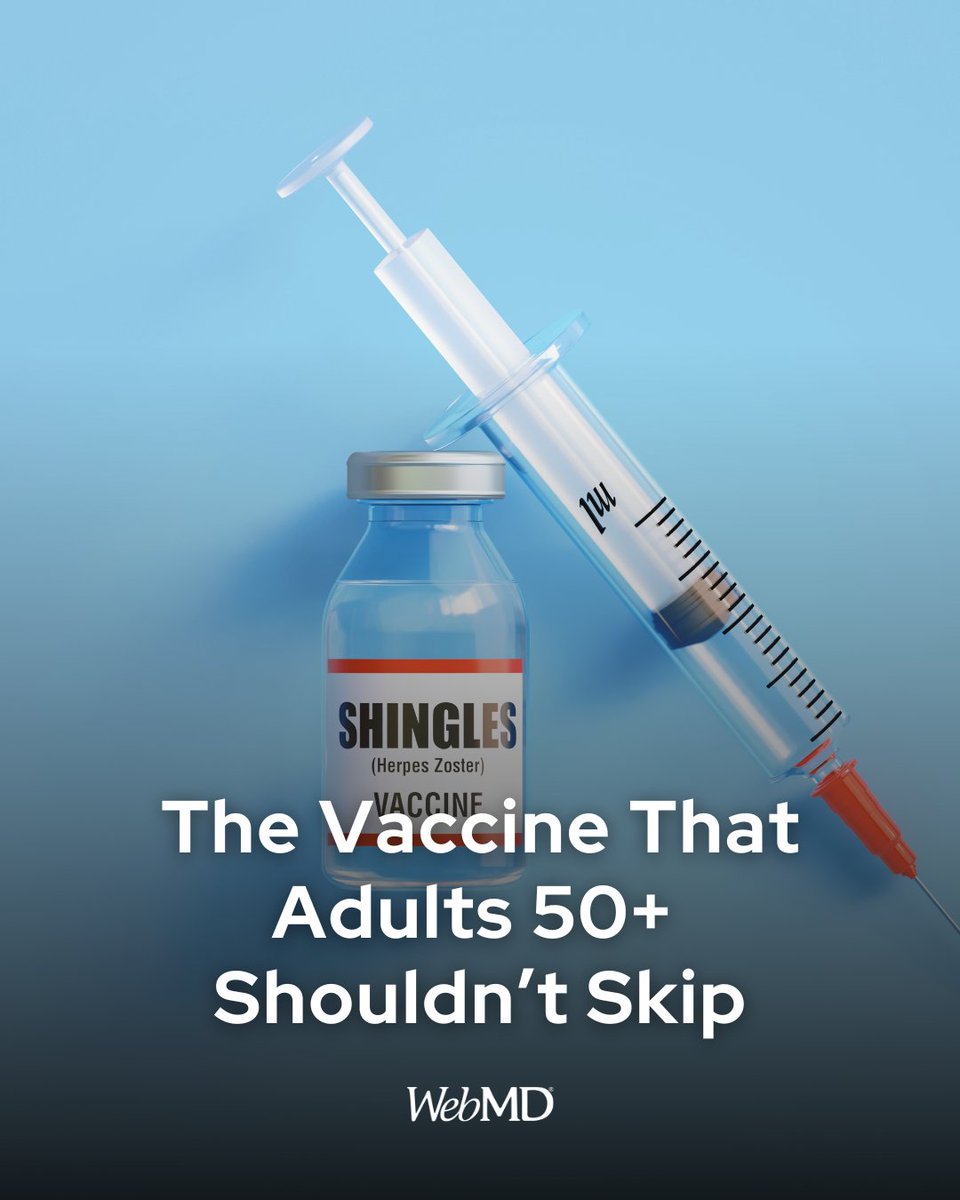
Severe Shingles Case Highlights Vaccination Push for Adults Over 50
Centerville Patient’s Ordeal Becomes Public Health Wake-Up Call
Centerville, Virginia – A 52-year-old medical journal editor’s severe encounter with shingles has become a powerful reminder of the virus’s capacity for long-term, debilitating effects. Her story now underscores an urgent call from health experts urging adults aged 50 and older to get vaccinated against shingles before it strikes.
For Lisa Junker, the warning signs appeared unexpectedly. She left a holiday party early with a throbbing earache, assuming it was a simple case of swimmer’s ear. Her initial diagnosis confirmed that suspicion, and she was prescribed antibiotic drops. Within days, however, her health spiraled downward. Dizziness turned into relentless vertigo. Every time she tried to stand, waves of nausea forced her back to bed. When an ear, nose, and throat specialist reevaluated her, the true cause came to light: shingles, or herpes zoster, attacking one of her inner ear nerves.
A Personal Battle With Lasting Consequences
The diagnosis marked only the beginning of a grueling recovery. Shingles had damaged Junker’s vestibular nerve, disrupting her body’s sense of balance. She lost hearing in one ear and struggled to walk without stumbling. “I was staggering around like I was drunk,” she recalled, describing how her brain tried to reconcile conflicting signals between her eyes, feet, and inner ear.
Short-term disability leave allowed her time to begin a lengthy course of physical therapy. Over five months, Junker relearned how to walk steadily and manage daily tasks. Her hearing gradually returned after six months, and her balance improved, but even now, she remains cautious on uneven ground and stairs.
Junker admits the ordeal might have been avoided. She had planned to get vaccinated shortly before turning 50 but delayed. After contracting shingles and suffering permanent complications, she became a vocal advocate for vaccination. “So many people who hear what happened to me decide to schedule the vaccine right away,” she said. “They tell me the side effects are nothing compared to what shingles can do.”
Experts Urge Wider Adult Vaccination
Medical professionals strongly support that message. Dr. Paul E. Sax, professor of medicine at Harvard Medical School and clinical director of infectious diseases at Brigham and Women’s Hospital in Boston, ranks the shingles vaccine among the most vital immunizations for adults over 50. He emphasizes that many people underestimate the virus’s severity. In some patients, shingles can cause blindness, encephalitis, or chronic nerve pain persisting for months or years.
Dr. Ankush Bansal, an internal medicine specialist in Miami, explains the science behind the vaccine’s power. It trains the immune system to recognize the varicella-zoster virus immediately, deploying memory cells that prevent the dormant virus from reactivating. Dr. Ali Dehghani of Case Western Reserve University adds that even for individuals who typically forgo other adult vaccines, this one should remain a priority because of the potential for lifelong pain if left unprotected.
CDC Recommendations and Vaccine Regimen
According to the Centers for Disease Control and Prevention (CDC), adults should begin shingles vaccination at age 50. The vaccine, available at doctors’ offices or retail pharmacies, requires two doses given two to six months apart. Missing the second dose does not mean starting again, a point often misunderstood by patients.
Despite these guidelines, uptake remains low. Fewer than one in five Americans over 50 have received both doses. Studies show that a single shot delivers about 50% protection three years later. Completing the series raises that figure to as high as 90%, significantly reducing both the likelihood of infection and the risk of complications.
The vaccine works by creating an immune response targeted specifically at the proteins found in the shingles virus. This lasting cellular memory enables the body to identify and neutralize the virus quickly should it attempt to reactivate.
Understanding the Virus and Its Triggers
Shingles stems from the same virus that causes chickenpox—varicella-zoster—which lies dormant in nerve tissue after the initial childhood infection. Decades later, when immune defenses weaken, the virus can reawaken, triggering a painful rash along nerve pathways.
Roughly one in three people will develop shingles in their lifetime, with risk sharply increasing after age 50. The aging immune system, a process known as immunosenescence, naturally loses some of its defensive agility. Additional triggers include chronic diseases, major injuries, and emotional distress such as grief or job loss. Diabetes, head trauma, and immune-suppressing treatments also raise susceptibility.
The disease’s hallmark symptom is a blistering rash that often wraps around one side of the torso, though it can appear on the face, neck, or eyes. Other symptoms like fever, headache, and fatigue may accompany the outbreak. The most feared complication, postherpetic neuralgia, is a type of nerve pain that lingers long after the rash heals and can make even light touch unbearable.
Beyond the Rash: Broader Health Implications
New research suggests shingles has broader effects on long-term health than previously understood. Dr. Dehghani recently presented findings at an infectious disease conference showing that vaccination may reduce more than just the risk of shingles outbreak. Data indicated that receiving the shingles vaccine—whether before or after infection—was associated with a 50% lower risk of vascular dementia and a 25% reduction in cardiovascular events such as heart attacks, strokes, and blood clots.
Remarkably, even patients who experienced mild breakthrough cases after vaccination showed similar protective benefits. Those vaccinated within six months of their initial shingles episode experienced comparable reductions in heart and cognitive risks, signaling possible systemic benefits tied to the immune response generated by vaccination.
Side Effects and Immune Response
Most individuals tolerate the shingles vaccine well. Common side effects include a day or two of mild soreness at the injection site, fever, fatigue, or muscle aches. These temporary symptoms often signal a strong immune activation—a sign that the body is building durable protection. Physicians recommend managing post-vaccine discomfort with acetaminophen or ibuprofen if needed.
Doctors note that systemic reactions such as chills or fatigue tend to occur more frequently after the second dose, mirroring what patients experience after certain other adult vaccines. Still, these reactions generally resolve quickly and pale in comparison to the intense pain shingles can cause.
A Growing Public Health Priority
Public health agencies now face a pressing challenge: bridging the vaccination gap among adults over 50. Awareness remains low despite widespread availability of the vaccine in pharmacies nationwide. Compared with childhood immunizations, adult vaccination campaigns often lack the coordination and urgency seen in pediatric medicine. Experts advocate for incorporating shingles vaccination reminders into routine annual checkups and electronic health alerts.
Historical vaccination campaigns have proven the effectiveness of systematic approaches. When adult influenza and pneumococcal vaccine programs expanded through pharmacy partnerships and employer-based wellness initiatives, uptake surged across demographics. Health professionals aim to replicate those models to close the shingles protection gap.
Regional Comparisons and Global Perspectives
Globally, countries such as the United Kingdom, Canada, and Australia have already implemented broad shingles vaccination programs for older adults. In the UK, for instance, adults aged 70 to 79 are eligible for a free national shingles vaccination program. Since its rollout, the National Health Service has reported a measurable decrease in severe shingles complications and hospital admissions.
By contrast, the United States relies largely on individual initiative and private insurance coverage to drive vaccination rates. The reliance on self-motivated participation often leads to disparities between urban and rural areas and among different income groups. Public health experts stress that increased education and accessibility—especially through community health centers and mobile clinics—could dramatically improve uptake.
The Cost of Delay
Economists point out that shingles can also exert a heavy financial toll. Health care costs associated with severe cases—including antiviral medications, nerve pain treatments, and productivity losses—amount to billions annually. Preventive vaccination represents a fraction of those expenses. Researchers estimate that widespread immunization could prevent tens of thousands of hospitalizations and long-term pain management cases each year.
The personal stories behind those numbers, such as Junker’s, put the stakes in perspective. Her months of lost productivity, intensive therapy, and permanent hearing damage underscore how a preventable disease can alter lives in an instant.
A Call to Action for the Over-50 Population
For medical professionals, the message is unified: shingles vaccination is a cornerstone of healthy aging. As more Americans reach their 50s and beyond, the need for proactive immunization grows increasingly urgent. Public health campaigns continue to emphasize that delaying vaccination increases the risk of severe complications from a virus that never truly leaves the body.
Lisa Junker’s experience has transformed her from patient to advocate. She continues to share her story at community events and through online platforms, hoping that others will take the warning seriously. “If I could go back,” she said, “I would have gotten that shot the moment I became eligible.”
Her story reinforces a simple but crucial message—the shingles vaccine not only prevents pain and disability but also stands as a safeguard for long-term health. With millions still unprotected, the drive to boost vaccination among adults over 50 has never been more urgent.